The exhibition, curated by photojournalist Eva Máñez, was inaugurated with the presence of prominent figures. Among the attendees were the Minister of the Government of Spain, Diana Morant; the Mayor of Paterna and Senator for Valencia, Juan Antonio Sagredo; the Secretary General of the PSPV-PSOE for Valencia, Carlos F. Bielsa; the Deputy Mayor for Social Guarantee, Equality and Traditions, Isabel García; and the Councilor for Historical Memory, Julio Fernández. Also present were members of the municipal government team, regional and provincial deputies, the delegated prosecutor for the Democratic Memory and Human Rights section of the Valencian Community, Susana Gisbert, and the Vice-Rector for Culture and Society of the University of Valencia, Ester Alba.
Representatives of historical memory entities and associations, as well as relatives of the victims and the general public, also joined the event. Between 1939 and 1957, a total of 2,238 people were executed at the wall next to Paterna's municipal cemetery. Among them were 19 women, according to documentation compiled for this exhibition, from various municipalities in the Valencian Community and other parts of Spain, whose stories remained silenced for generations.
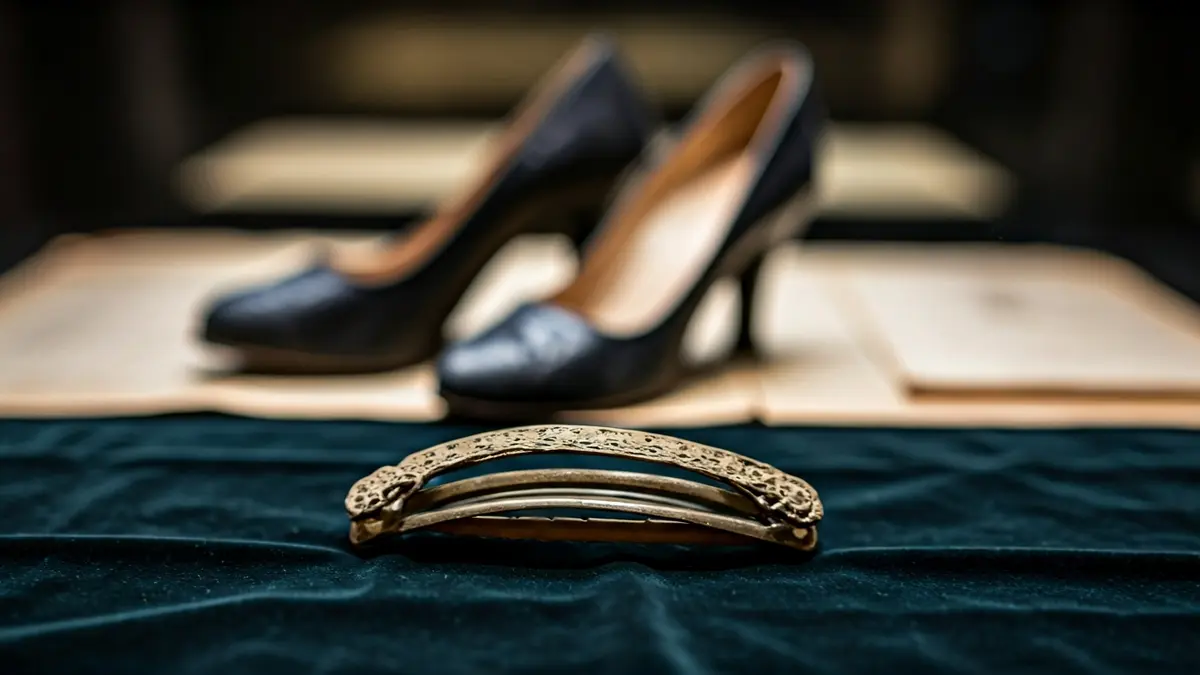
The exhibition brings together photographs of exhumation processes, personal objects recovered from mass graves, and archival documentation that helps reconstruct their lives. Everyday items such as hair clips, high-heeled shoes, or intimate garments preserved underground, along with judicial summaries, letters, or documents featuring the word “executed,” contribute to giving these women a face and understanding the context of repression they experienced, as well as the role of organizations like Mujeres Libres.
“"In Paterna, we maintain a firm commitment to democratic memory. Giving names, faces, and stories to the victims is an act of dignity, identity, and collective responsibility."
These women, aged between 21 and 65, had diverse professions such as seamstresses, trade unionists, orange pickers, nurses, councilwomen, or housewives. Many were mothers who left behind broken families marked by stigma. Their stories reflect not only the violence perpetrated against them but also the subsequent imposed silence. The first women were executed in Paterna in 1939, after the end of the Civil War, while María “la Jabalina” was the last republican woman executed at this site on August 8, 1942. The exhibition recovers their names, their stories, and their memory, helping to bring them out of oblivion.
“"With this exhibition, we give visibility to women who for too long have remained invisible, recovering their memory and their role in history. Remembering them is also a way to reinforce our commitment to democratic values and collective memory."
Mayor Juan Antonio Sagredo highlighted Paterna's commitment to democratic memory, noting that since 2015, an active historical memory policy has been promoted, opening over 80 graves and recovering nearly 1,600 bodies in Paterna, 200 of which have already been identified. He concluded by stating that “true Concordia is not the PP and VOX Law, it is the work carried out by the Paterna City Council over the last 11 years to repair and dignify the victims and their families, without noise or controversy.” Curator Eva Máñez emphasized that the exhibition is part of a process of “reparation, justice, and truth” and the importance of bringing these events closer to the public, especially younger generations. The event was attended by relatives of the repressed women, such as Jesús Espinós Andrés, great-nephew of Mercedes Martínez Ruiz, executed on November 8, 1939.