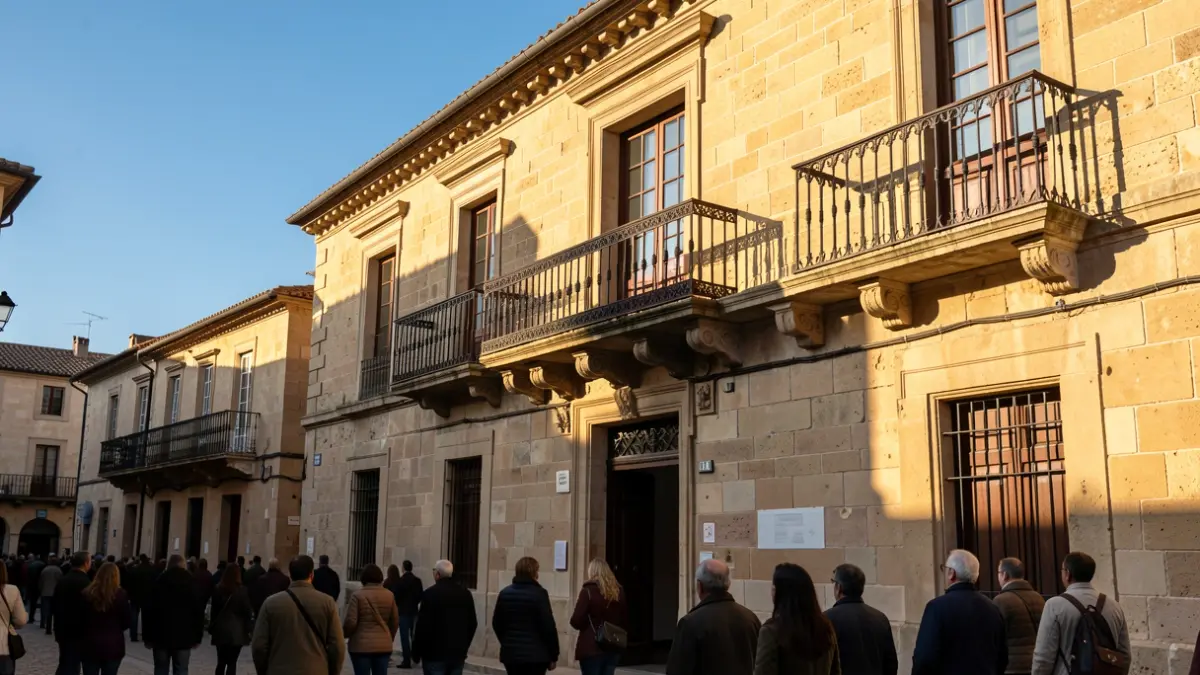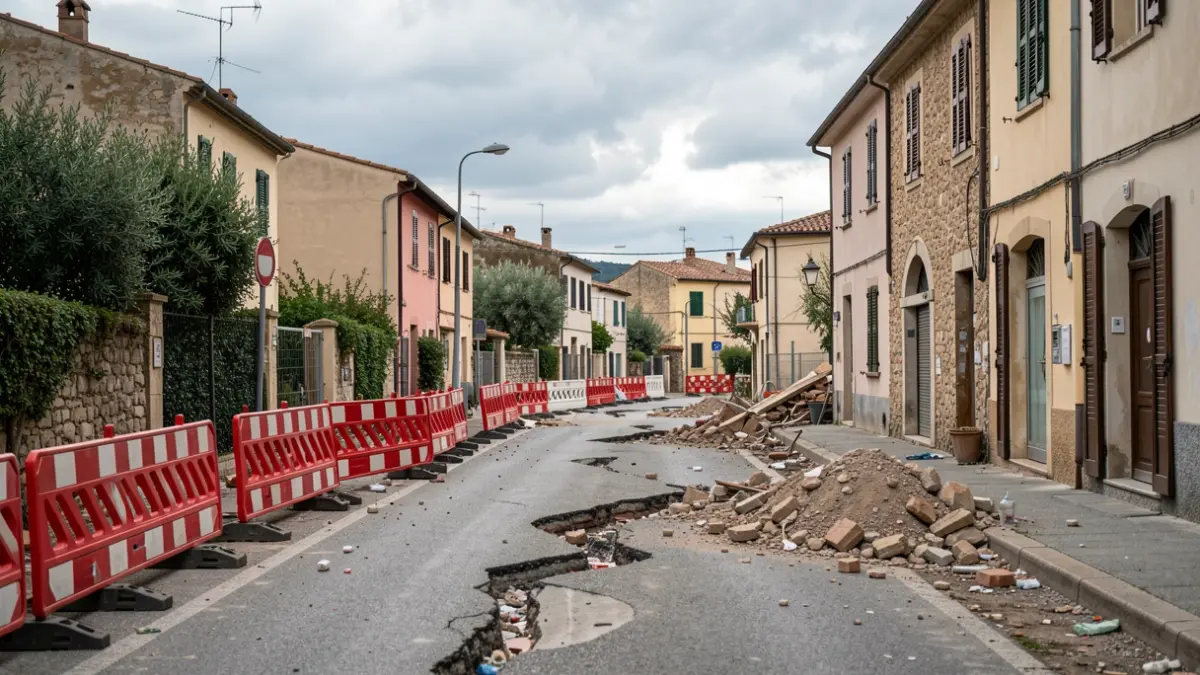
The mayoral candidates for València, Mónica Oltra and Pilar Bernabé, along with María José Catalá, are closely observing the phenomenon known as the "Mamdani effect." This concept, inspired by the management style of New York's new mayor, suggests that a segment of the electorate is seeking leadership that is more approachable, empathetic, and focused on daily needs, moving away from political confrontation.
According to a The New York Times survey, Zohran Mamdani achieved a 48% approval rating in his first hundred days in office, standing out for his approachability and understanding of citizens' problems. This figure, considered a "statistical extravagance" in the current context, indicates a possible shift in voter preferences, who may be tired of polarized politics.
The key will not only be who promises more, but who manages to connect with the city's better mood. In this area, Mamdani offers a useful lesson: empathy is a competitive advantage.
The New York experience underscores the importance of concretizing proposals in areas such as affordable housing, public transport, and basic services. In València, this would translate into addressing issues like housing, metropolitan mobility, urban cleanliness, and neighborhood public services. Whoever can articulate a discourse that connects with these daily concerns will speak the language that voters best understand.
Concurrently, the controversy surrounding the Ciutat de les Arts i les Ciències (Cacsa) highlights the need for management more consistent with its original purpose. The ruling on noise has revealed a latent conflict between monetizing the space through massive festivals and its educational and architectural function. This debate, which also affects other venues like the Plaza de Toros or the Levante stadium, underscores the importance of proximity and public utility in municipal management, a message that resonates with the "Mamdani effect."