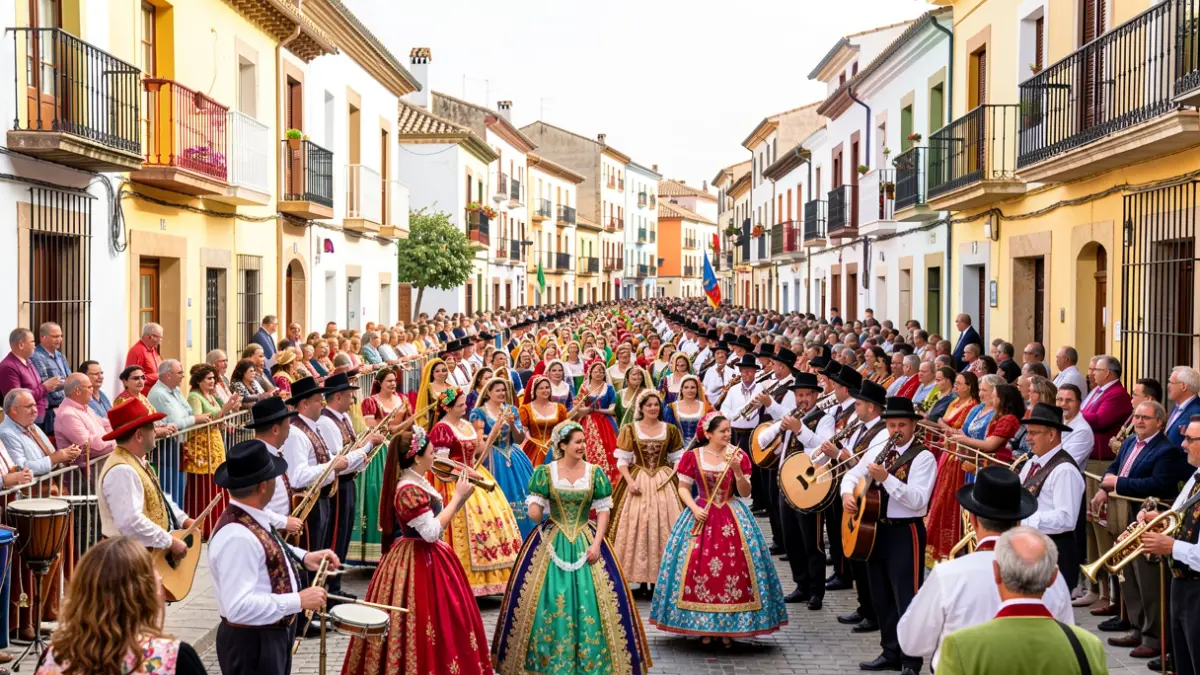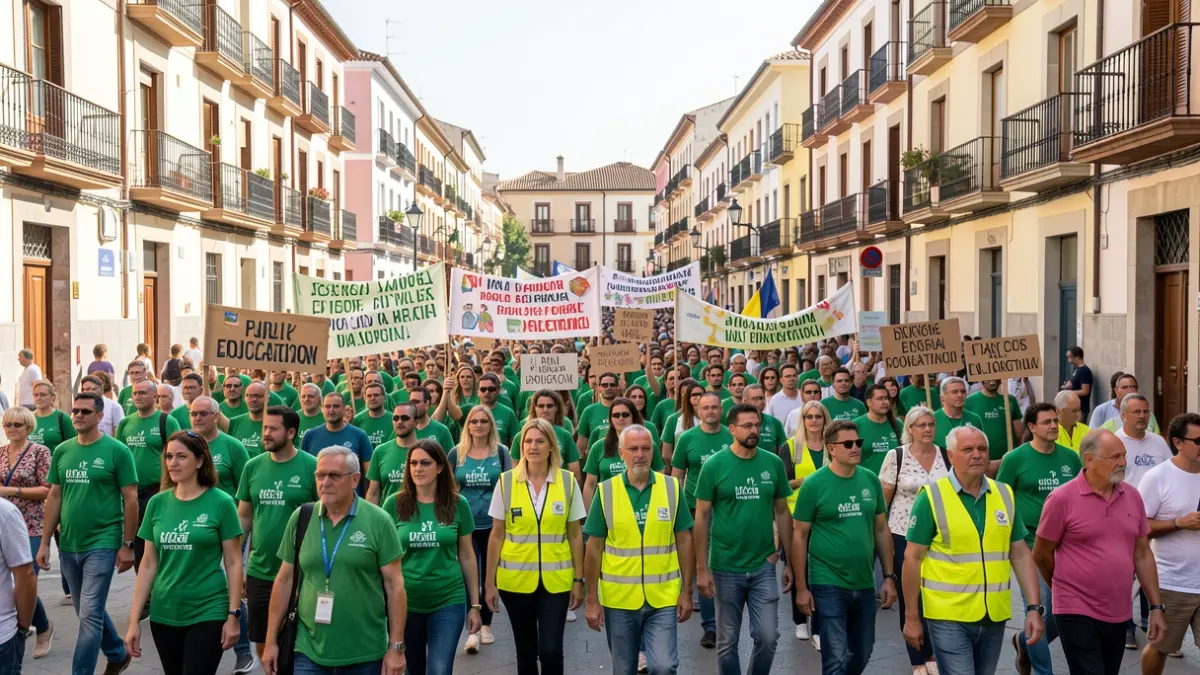
When a language is set in motion, it ceases to be an abstract concept and transforms into a living, tangible reality. The Correllengua embodies this principle, bringing the language from speeches to the streets and squares, thanks to the participation of people who drive it forward. This seemingly simple gesture holds immense political and cultural power.
This year, this movement gains a new dimension with the celebration of the first Correllengua Agermanant. This initiative is built upon decades of work by collectives, associations, and individuals who have kept the Flame alive from town to town, often without institutional support. The Correllengua Agermanant acknowledges and dignifies this effort, projecting it onto a broader and more explicitly political scale, aiming to unite territories linked by language and culture.
The Flame departed on April 17 from Canigó, in Prades, laden with deep symbolism. This geographical point represents a cultural origin and a shared reference that crosses imposed borders. From there, the Flame traverses the territory as a line of historical continuity, uniting diverse realities under a single language. Every step of this journey is a political affirmation of persistence and connection despite attempts at fragmentation.
The arrival of the Flame in València on April 25 is not a festive coincidence but a declaration of principles. This date symbolizes the military defeat and the loss of self-governing institutions, as well as the beginning of a long process of linguistic, cultural, and political dispossession. Bringing the Flame to València on that day transforms memory into an active present, reminding us that the language resisted in homes and on the streets, passed down from generation to generation.
The Correllengua Agermanant highlights an uncomfortable truth for those in power: a language is not only killed by letting it die, but also by making it invisible, ridiculing it, or subordinating it. In the País Valencià, a systematic policy of delegitimizing the native language has been applied. The Correllengua responds to this situation with a collective action that does not ask for permission to exist.
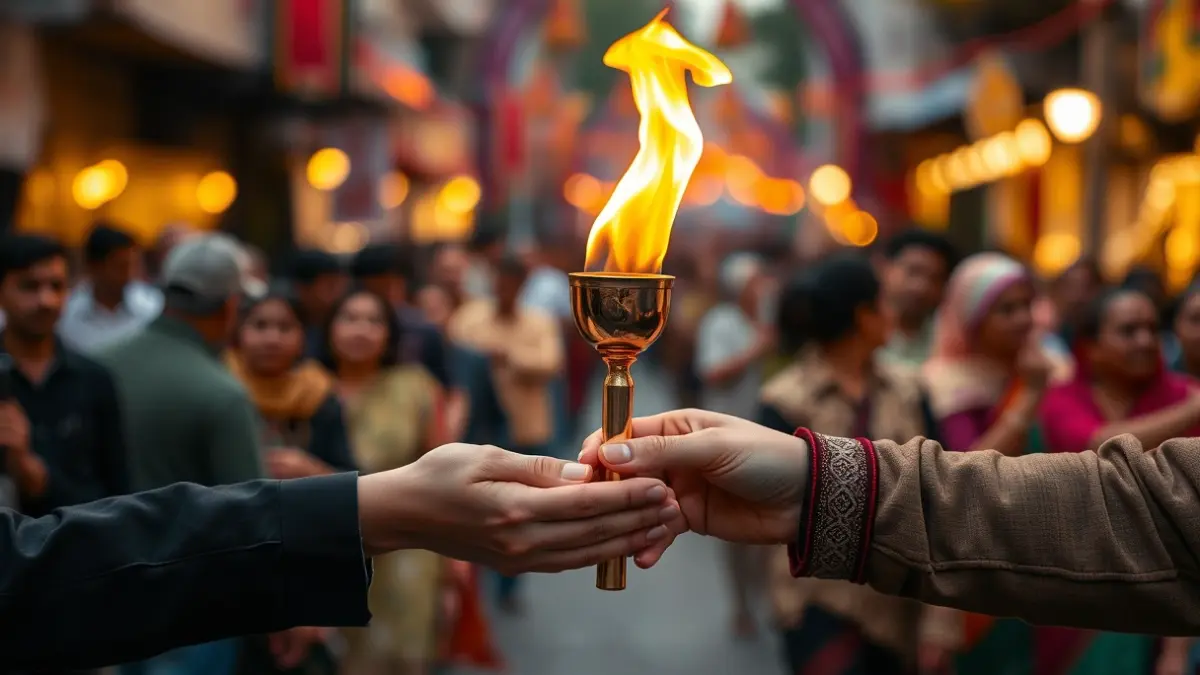
The strength of the Correllengua lies in conscious participation. The language is defended by using it, occupying spaces, and building community. As the Flame passes from hand to hand, a shared responsibility is transmitted: that of not delegating the survival of the language. It is a daily and collective task that the Correllengua makes visible in a clear and direct way.