Following Resurrection Sunday, the city of Valencia transforms into a meeting point for families enjoying the outdoors. Beaches like El Cabanyal, La Malva-rosa, and El Saler are favorite spots for this celebration, where children and adults attempt to fly their kites in a warm and calm environment, ideal for enjoying the sand.
This festivity, which follows the solemnity of Christian Easter, takes on a more family-oriented and playful character in Valencia. Families like Vicente and Ana's, who travel from Silla to El Saler beach with their daughter and three granddaughters, exemplify the continuity of this tradition. Ana recalls how some customs, such as the 'pascueros' groups in Silla, have faded, but the homemade 'mona' cake her granddaughter brings from school shows that the essence remains.
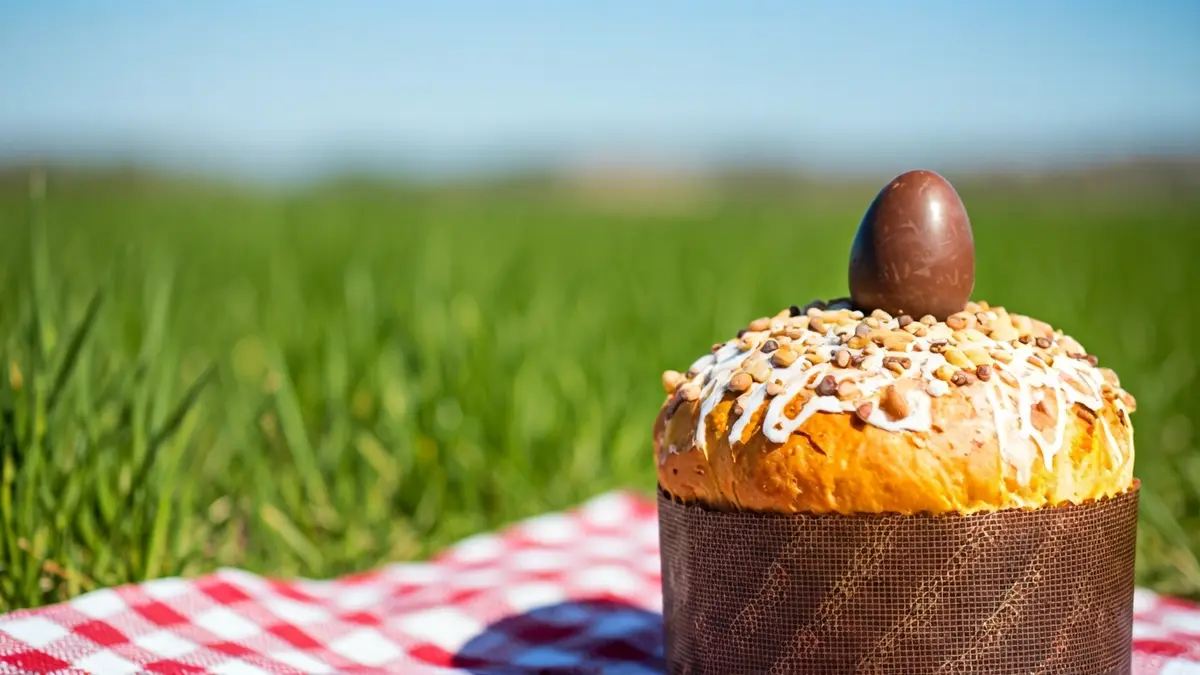
Beyond the beaches, the scene is repeated in other parts of the city, such as the promenade of l'Arbre del Gos beach, where hundreds of people gather for picnics. The tradition of the Easter 'mona', a sweet cake that godparents give to their godchildren, has ancient origins, stemming from the Arabic word 'munna', meaning 'gift', and has been documented since the 15th century.
Bakeries in Valencia take advantage of this time to offer their best creations. Horno Bells won first prize for the Easter 'mona' in 2026 with a recipe from its founder, Carlos. Other notable establishments include La Rosa de Jericó, with over 120 years of history, and Horno San Antonio, known for its artistic ornamentation.