Following the recent DANA (cold drop), the debate on hydraulic works has gained relevance. The lack of planned actions for decades has forced administrations to react, highlighting the crucial role of dams like Forata in mitigating the effects of catastrophes.
The II Congress of Public Works and Civil Engineering Heritage, recently held in the Valencian Community, advocated for these facilities not only for their heritage value but also for their ability to guarantee water supply and safety for downstream populations.
“"The Government is reluctant to build dams, but they are what truly retains the devastation of water."
In the Valencian Community, there are significant examples such as the Tibi dam, from the 16th century, the second oldest in Europe, and the Elche reservoir. These infrastructures, in addition to their irrigation and supply functions, demonstrated their importance during the DANA.
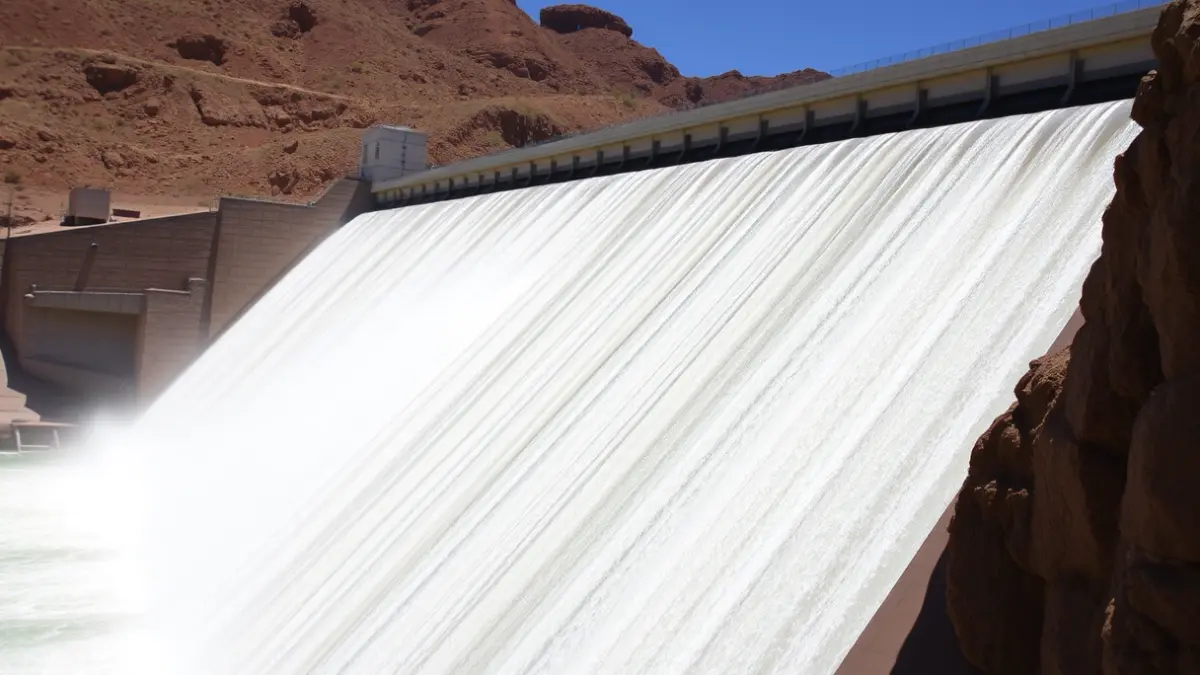
In the Turia river, the Benagéber, Buseo, and Loriguilla dams prevented greater damage. In the Júcar river, reservoirs such as Contreras, Alarcón, or Tous also fulfilled their function. The case of Forata, on the Magro river, was decisive, as it received a flood of 2,100 m³/s and only released 1,000 m³/s, reducing the peak by half and delaying it by four hours. Without these dams, the catastrophe would have been much greater.
Projects such as the Cheste dam in the Poio ravine, or those of Villamarchante (Turia), Marquesado (Magro), and Sellent (Júcar), planned in the 2001 Hydrological Plan, were not carried out due to a policy change that prioritized desalination plants. These, in some cases, were built in flood-prone areas or operate at half capacity, failing to solve the security problem.
Currently, protection works based on floodplains are being considered, such as the diversion of the Saleta ravine towards the Turia, deemed insufficient by some experts. Sustainability, according to engineers, implies maintaining dams to make the system sustainable and offer protection against floods and droughts.