The professor of Human Geography, who served as the Government's commissioner for the Mediterranean Corridor for eight years and as regional secretary for Territorial Cohesion, emphasizes the importance of reorienting the debate on cohesion. Instead of focusing exclusively on infrastructure, he proposes a broader view towards the functional and human dimensions, especially in a context of global fragmentation.
“"The cohesion process has not improved. In fact, I believe it is even worse, not so much due to internal issues, but because external circumstances have changed so much that the concept of cohesion is more important today than before."
According to the professor, global society is moving towards disaggregation and social, territorial, and political fragmentation. This situation makes a new debate on how to integrate a society, beyond its territory, essential. Solutions from four decades ago are no longer useful, and this has led to a setback in this area.
The traditional concept of cohesion has been based on territorial aspects such as regions and infrastructure. However, the professor insists on the need to incorporate two additional levels: functional and human cohesion (social, political, or spiritual). He highlights unresolved gaps, such as that separating the depopulated interior from the overpopulated coast, or the lack of powerful instruments for metropolitan cohesion. Cohesion cannot be achieved solely with infrastructure; a vision of common services and attention to the inhabitant is needed.
“"I don't like the formula 'Comunitat Valenciana'. I have no problem using 'Kingdom of Valencia', because that's what we were."
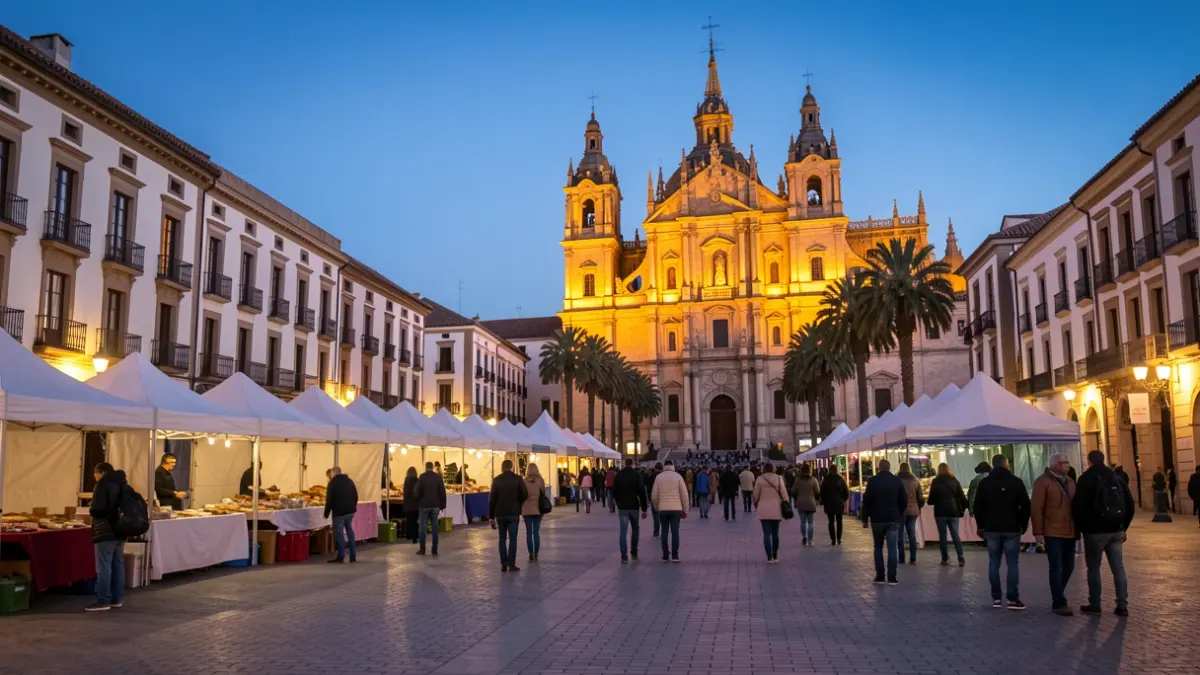
Regarding Valencian identity, the professor expresses his preference for the name Kingdom of Valencia, arguing that it is a way to recover the rich cultural history of the Crown of Aragon. He believes that the Valencian Community possesses its own singularity that goes beyond the administrative sphere, encompassing social, gastronomic, and lifestyle aspects. This singularity, rather than a closed identity, is what defines the territory.
Finally, the professor points out that emphasizing provincial identities is a mistake and a losing strategy that fragments the Valencian reality. In contrast, the Mediterranean Corridor, by connecting Alicante and Castellón in a few minutes, will represent a logistical and human revolution, improving cohesion and allowing greater use of instruments for the three types of cohesion: territorial, functional, and human.