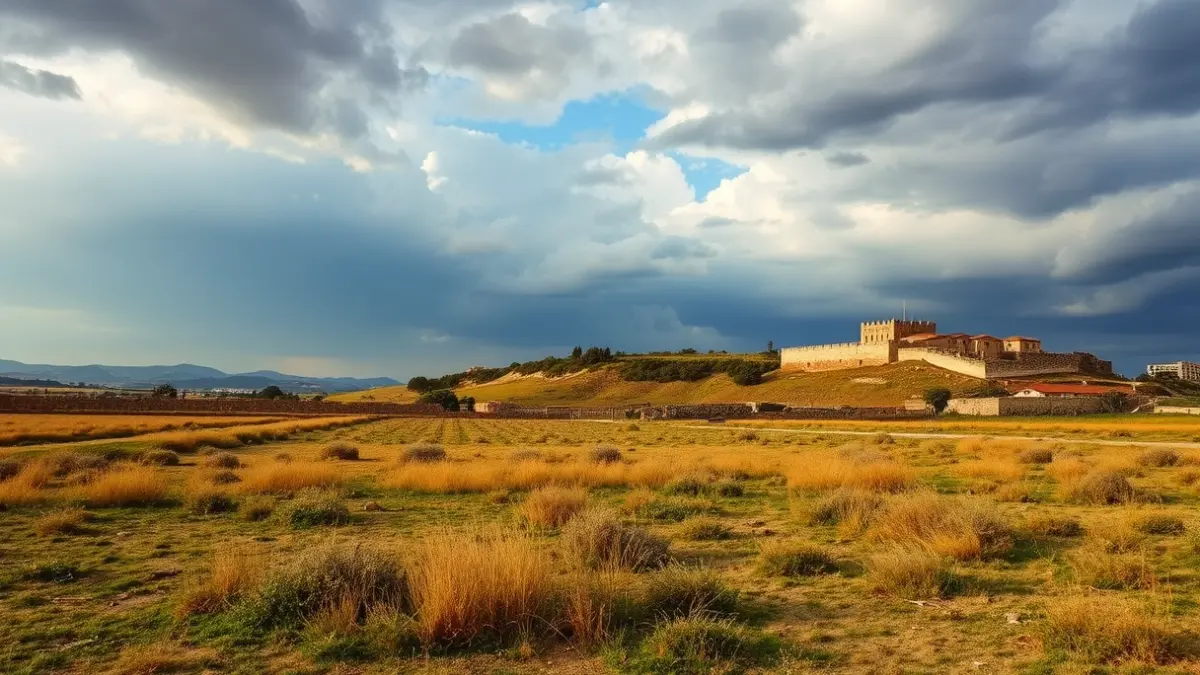
The Battle of Almansa, which took place in 1707, is considered a key event that marked the Bourbon accession to the Kingdom of Valencia and the beginning of a profound transformation. It was not merely a military conflict, but the beginning of the dismantling of a political structure, with the disappearance of the 'furs' (local laws) and the end of a historical era for the territory.
“"It is not just a battle, but the beginning of the end of a political structure."
The Bourbon victory led to the transition from a pact-based monarchy to a centralist model, where Valencia ceased to be a kingdom with its own institutions to integrate into an administrative structure directed from Madrid. This fact is fundamental to understanding the current configuration of the Valencian territory.
“"The Bourbon victory meant the transition from a pact-based monarchy to a centralist model."
Despite its historical importance, detailed knowledge of the battle among the population is not always profound. While older people tend to have a better grasp of the context, younger generations require more prior explanation to fully understand it. Some professors point out that there are young people who are unaware of the consequences of this event.
“"Some young people do not know what the Battle of Almansa was or what its consequences were."
Excessive simplification in textbooks and a lack of focus on local history contribute to this knowledge gap. However, educators highlight the potential of social media as a dissemination tool, with channels that foster debate and bring these topics to new audiences, complementing traditional teaching.
Beyond historical knowledge, the Battle of Almansa offers a reflection on the present. Its main lesson is the importance of tolerance and diversity management, reminding us that the imposition of a single model can generate lasting conflicts. Thus, Almansa remains a fundamental milestone for understanding Valencian history and a tool for comprehending our identity.