The Valencian Community is home to a large number of monuments in its municipalities, an architectural ensemble that gains special relevance on International Day for Monuments and Sites, celebrated every April 18. Beyond the three major examples of material heritage recognized by UNESCO —the Lonja de la Seda in Valencia, the rock art of the Mediterranean arc of the Iberian Peninsula, and the Palmeral of Elche—, the region boasts an extensive and varied patrimonial richness. This year, the day highlights "living heritage and response to emergency," and therefore ten monuments worth visiting are recommended.
Among the featured monuments is the Sanctuary of the Mare de Déu de la Balma, three kilometers from Sorita, in the Els Ports region. This unique religious building is nestled in the rock, with documented works dating back to the mid-16th century. Also included is the Torre Badum of Peñíscola, in the Sierra de Irta, a representative example of the watchtowers along the Valencian coast, which served to warn of pirate attacks. On its facade, the shield of the Kingdom of Valencia with the double-headed eagle of the Habsburgs can be seen.
The castle of Vilafamés, in La Plana Alta, is a fortification with Muslim foundations and modifications from various periods, offering impressive views from almost 400 meters high. For performing arts enthusiasts, the Roman Theater of Sagunto, in Camp de Morvedre, is the oldest monument on the list, dating from the 1st century. This space, which hosts a festival every summer, underwent a renovation in the 1990s that gave it its current appearance.
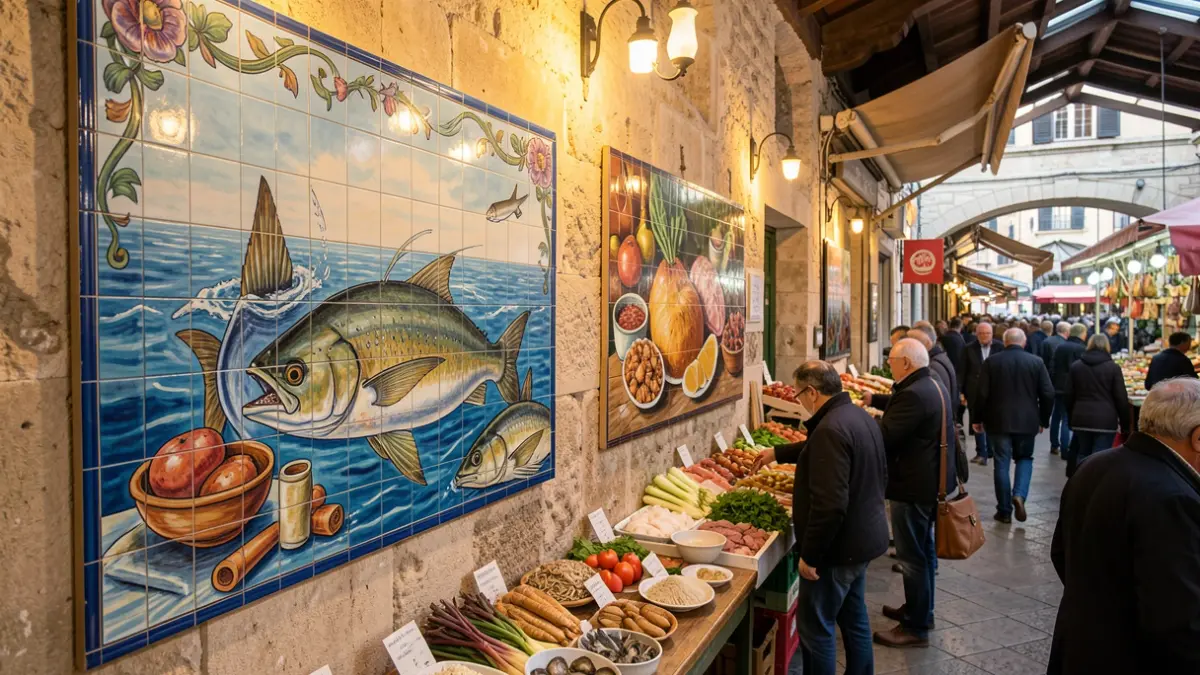
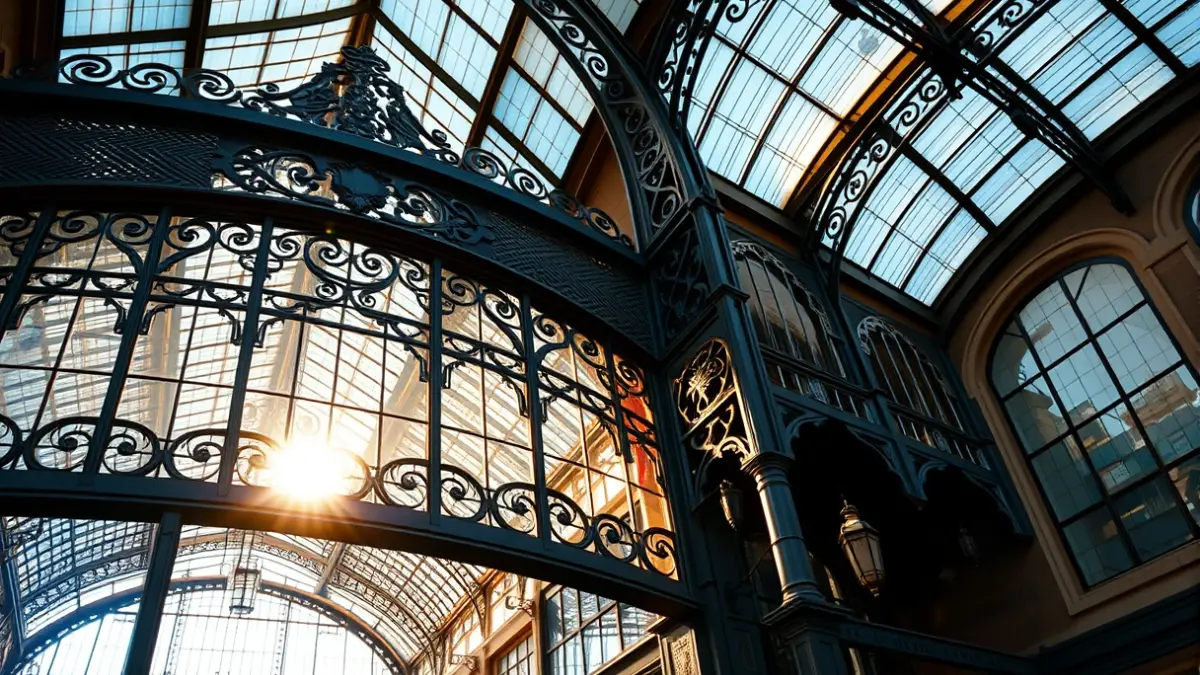
Opposite the Lonja de la Seda in Valencia, the Central Market of Valencia is another building that could perfectly be classified as UNESCO material heritage. Designed in 1914 by Alexandre Soler i March and Francesc Guàrdia i Vial, and completed in 1928, it combines Catalan constructive tradition with iron and steel architecture. The monastery of Santa María de Simat, in La Safor, is a jewel of Valencian Gothic heritage, founded in 1298 by Jaume II. After years of abandonment, the Generalitat acquired it in 1991 to begin its recovery.
The Riurau de Benissadeví or del Senyoret in Jesús Pobre, at the foot of Montgó, is a testament to the raisin economy in regions like La Marina Alta. These stone buildings with open arches protected Muscat grapes from adverse weather. In Alicante, the Casa Carbonell, designed by Juan Vidal i Ramos and completed in 1924, is a prominent element of the maritime facade with elements of Valencian modernism. Finally, the sanctuary of María Magdalena de Novelda, in Vinalopó Mitjà, is an example of Catalan modernism designed by engineer Josep Sala i Sala, known as "the little Sagrada Familia".
This year's edition of International Day for Monuments is dedicated to "living heritage," including ethnography and museums that highlight the most identifying features of Valencian culture. Among these are museums dedicated to gastronomy, such as the rice museum in Valencia or the nougat museum in Jijona; to trades, such as the dry stone museum in Vilafranca; or to festivals, such as the festival museum in Alcoy or the Fallas museum in Valencia, in addition to numerous ethnographic museums that explain the history and identity of Valencians.