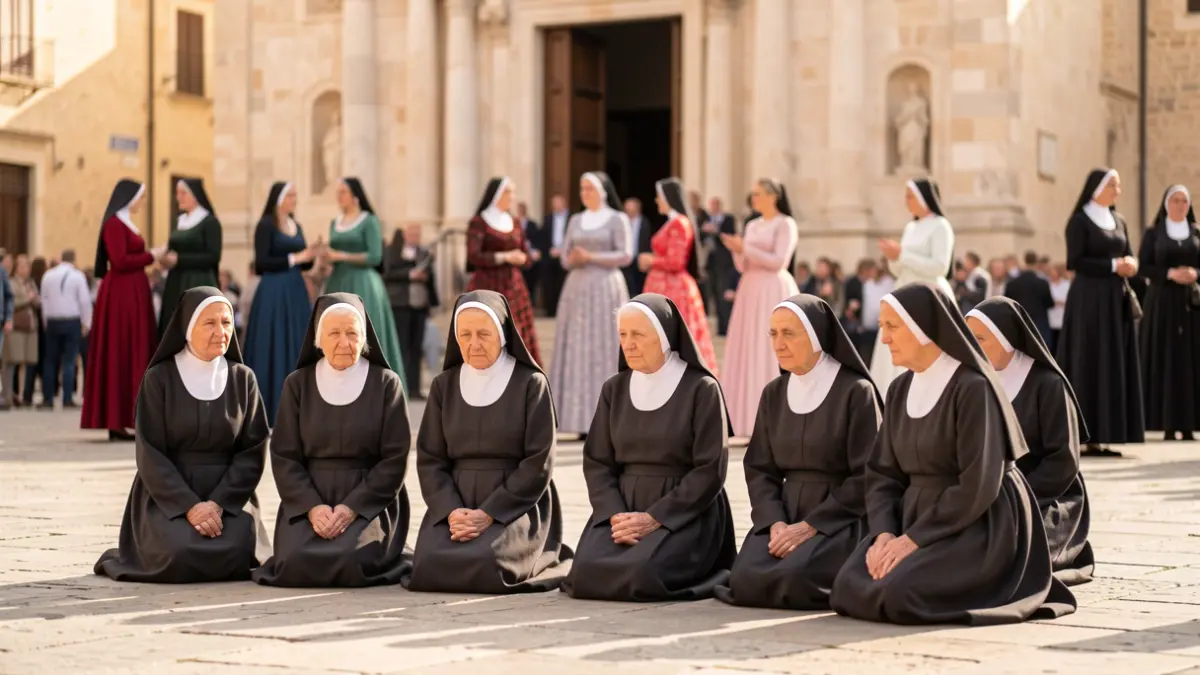
Despite the persistent rain, the tradition of honoring Saint Vincent Ferrer prevailed in the center of València. Members of the festive associations, with medieval roots, upheld the custom, filling the streets with music and an atmosphere of devotion. The day included a morning procession with the saint's effigy and afternoon performances of the 'miracles' at various altars.
Children were at the heart of the celebration. Verónica Taberner, mother of two participants in a 'miracle' at Plaça del Tossal, emphasized the importance of perpetuating this tradition through new generations. She highlighted the values they acquire, such as commitment, teamwork, and sacrifice, which are fundamental for keeping such a deeply rooted Valencian tradition alive.
“"They acquire many values, such as commitment, teamwork, the importance of the group, and sacrifice, and they keep such a Valencian tradition alive."
Taberner recalled that this is one of the oldest traditions remaining in the Cap i Casal (València city), with origins dating back to the saint's canonization by Pope Luna a few years after his death between 1350 and 1419, when the performances began.
Fernando de Rosa, a PP deputy in the Congress and former president of the Audiencia de València, participated in the transfer of Saint Vincent's effigy from the Church of San Esteban to the Altar Pila Bautismal, located in Plaça de la Mare de Déu. De Rosa explained that these 'miracles' are remnants of medieval sacramental plays, religious theatrical works that served to educate the illiterate population about biblical passages and the saint's life.
“"These miracles are remnants of the sacramental plays that were performed in the street. They are religious plays. They represent one of the few performances that still survive of what devotion was like in the Middle Ages. The representation of the 'miracles' was a way to teach people, who could not read or write, biblical passages or experiences of Saint Vincent."
The magistrate and politician added that the representation of the 'miracles' is one of the few medieval figures that remain in Spain, along with the Misteri d'Elx, with records dating back to the 16th century.
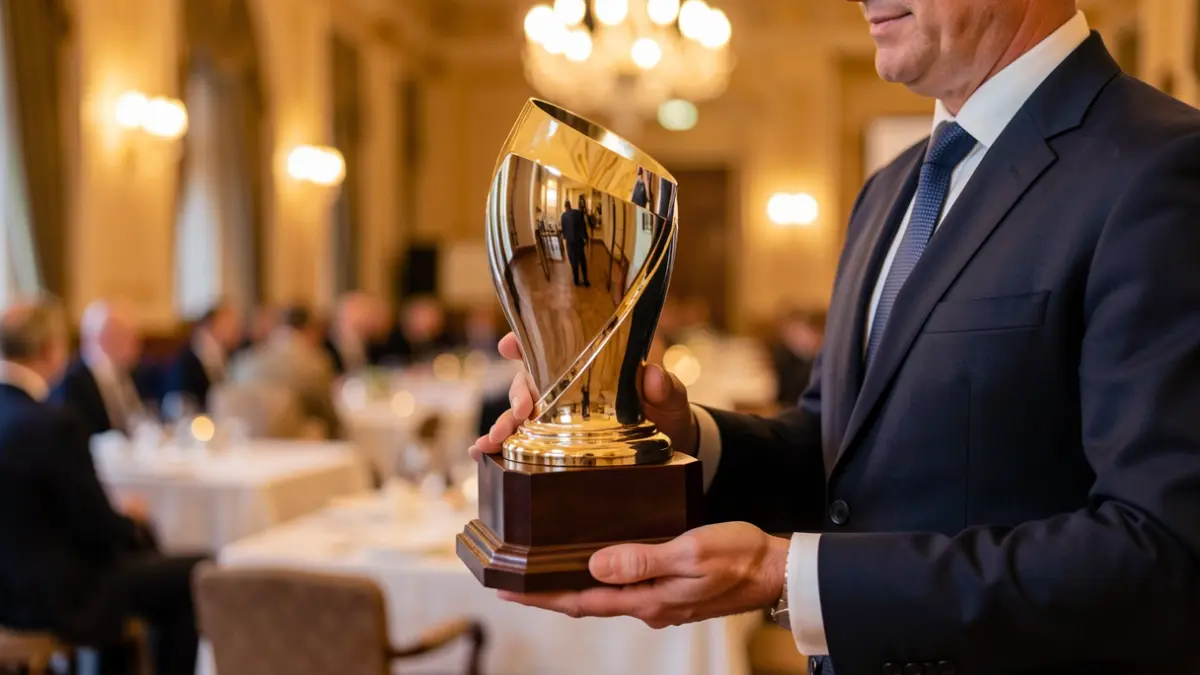
Juan Carlos Martí and Cristina Ramos, members of the Altar del Carmen, which won first prize for the third consecutive time, highlighted the motivation they derive from participating in the festival of what they consider the "true patron of València". However, they lamented that the gentrification of the Carmen neighborhood makes it difficult to continue the tradition, as the loss of local residents forces them to seek children for the performances in peripheral neighborhoods.