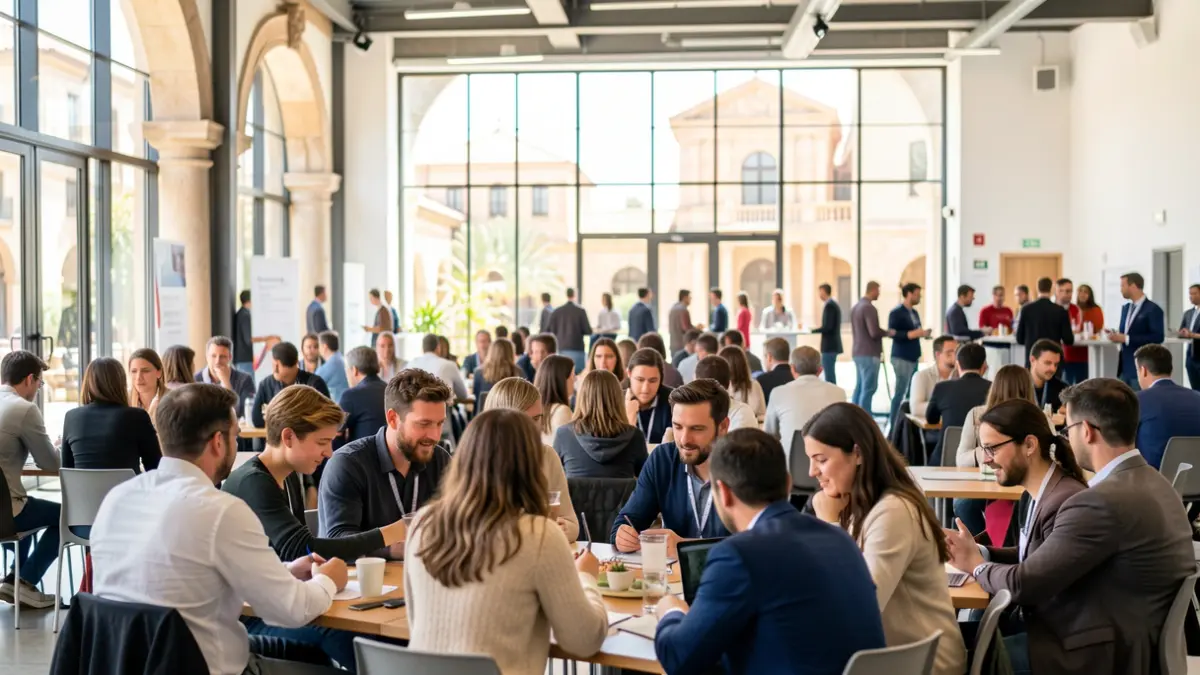
This event, initially planned for La Nau at the University of Valencia, was ultimately hosted at the Centre Cultural La Beneficència of the Diputación de València. The Diputación's last-minute decision to provide the space allowed the congress to proceed, highlighting the importance of sorority and feminism above partisan disputes.
The congress aimed to rethink the political agenda for equality in the face of the reactionary wave against women's rights, the rise of misogyny, and the international context of war and conflict. Three main areas of debate were addressed: the balance of challenges for the feminist agenda in Spain, the international dimension of struggles for equality, and the analysis of power and misogyny in institutions, media, social networks, and daily life.
The gathering brought together activists, institutional representatives, trade unionists, academics, and professionals, both in-person and remotely. Prominent voices included feminist thought leaders such as the president of FeMeS, a specialist in gender violence, and a feminist activist and writer. Figures with extensive political and trade union experience also participated, offering perspectives from decades of fighting for women's rights.
The congress also incorporated an international dimension with the participation of activists from Iran and Ukraine, who conveyed the reality of women in contexts of repression and war. The discussions analyzed how armed conflicts, democratic crises, and global inequalities specifically affect women and girls, addressing issues such as sexual violence in wars and forced displacement.
FeMeS warned about current threats to women's rights, noting that the rise of reactionary discourses and the normalization of hatred in public spaces could jeopardize achievements in equality, gender violence, sexual and reproductive rights, and work-life balance. The congress also focused on the impact of international conflicts, emphasizing that wars and humanitarian crises disproportionately affect women and girls.