This initial protocol, dated May 6, 2026, aims to protect members of the National Police who may intervene in places with biological risk. The report, prepared by the Coordination Area for Occupational Risk Prevention, considers the risk associated with hantavirus in the police environment to be low and primarily environmental, stemming from the inhalation of contaminated particles from rodent urine, feces, or saliva.
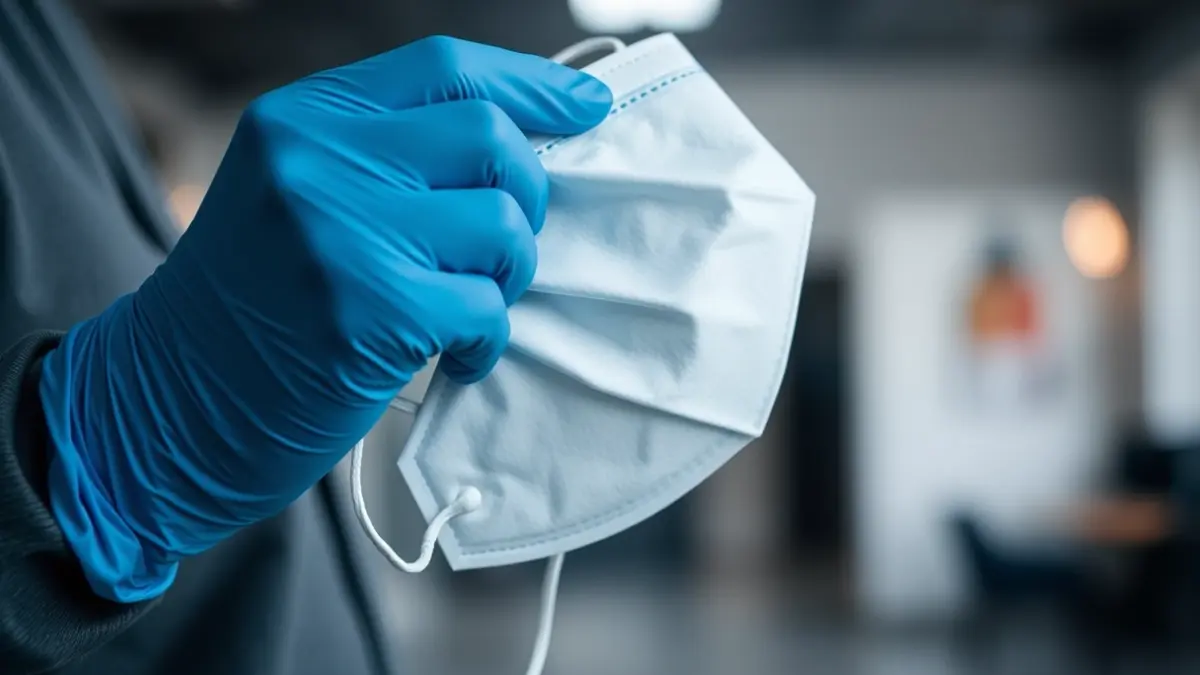
Among the key recommendations, the mandatory use of FFP2 or FFP3 masks is established in scenarios of suspected exposure. The use of disposable nitrile gloves, eye protection if there is dust or suspended dirt, and disposable coveralls for prolonged interventions or highly contaminated environments are also suggested. The Police identify abandoned homes, poorly ventilated or dirty spaces, the presence of rodents or droppings, strong odors, and accumulated trash as potential risk indicators.
“"The main danger would not be so much in contact with people, but in the possible inhalation of contaminated particles from rodent urine, feces, or saliva."
One of the most important instructions is to ventilate suspicious spaces for 20 to 30 minutes before acting, by opening doors and windows. Furthermore, sweeping, shaking objects, or starting fans are discouraged, as these actions can put contaminated particles into suspension. Minimizing time spent in these locations and avoiding areas with visible accumulation of droppings are also recommended.
After the intervention, the protocol indicates moistening surfaces with diluted bleach 1:10 and removing protective equipment in a controlled manner: first gloves, then eye protection, and finally the mask. Immediately thereafter, hand hygiene must be performed, and the PPE disposed of in a sealed bag. Agents should monitor for flu-like symptoms in the weeks following potential exposure, as the incubation period is typically one to three weeks.