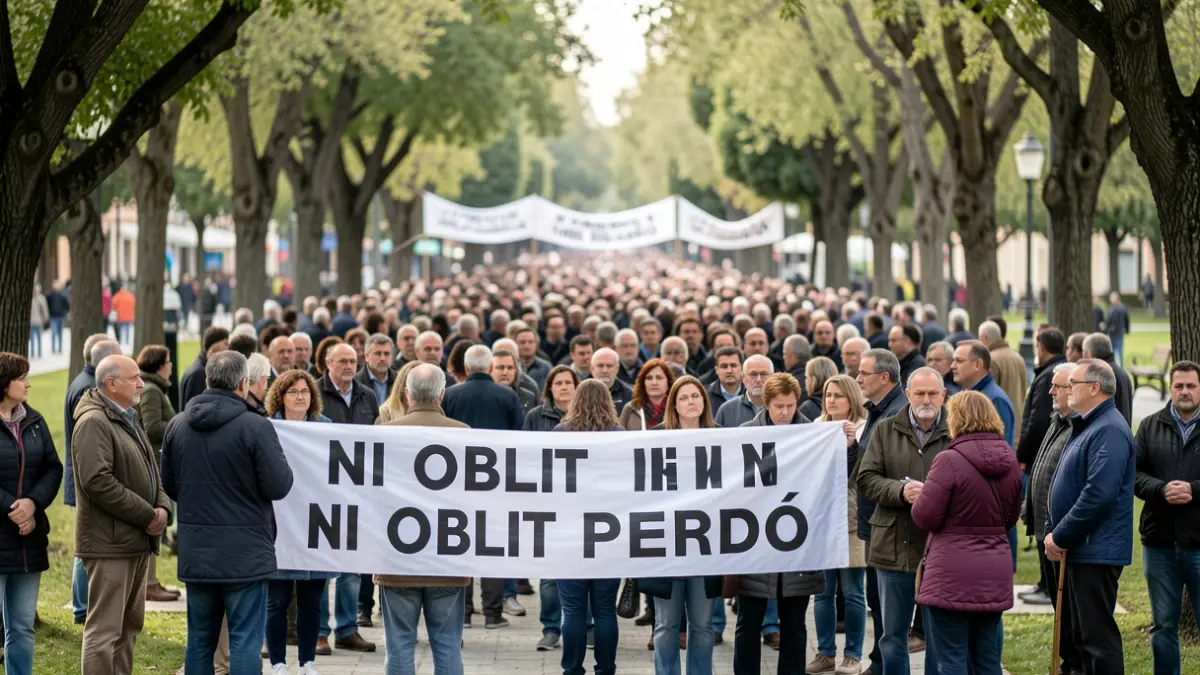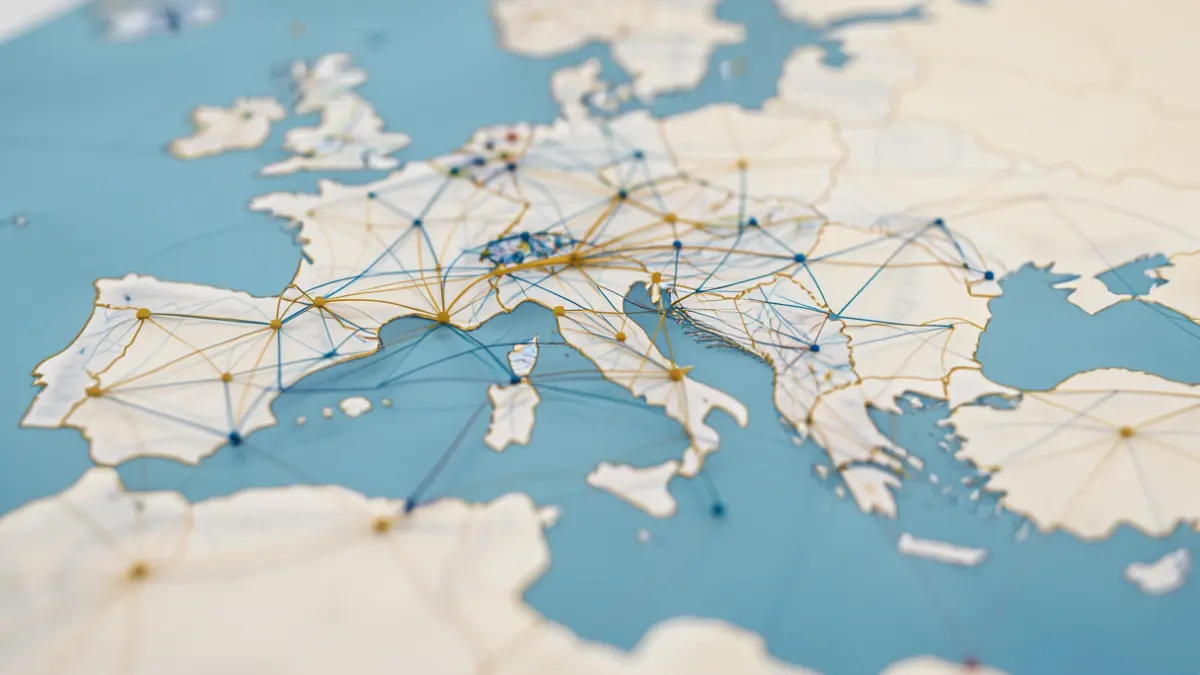
The approved projects—E-CAMPS, CCOM, and CHANCES—will enable the municipality of Mislata to participate in pioneering initiatives alongside entities from various European countries. These initiatives will address key challenges such as preventing violence against children, improving protection systems, and actively involving minors in emergency contexts.
Collectively, the three projects involve 20 European entities, including organizations, public administrations, and research centers from countries such as Spain, Italy, Sweden, Greece, Cyprus, Romania, and Ukraine.
“"With the acquisition of these three projects, Mislata City Council strengthens its position as a benchmark in public childhood policies at a European level, advocating for the active participation of minors, the prevention of violence, and the construction of safer, more inclusive, and resilient communities."
The projects will be led by the departments of Childhood and European Projects. For their management, Mislata City Council will manage a total funding of 187,477.81 euros. This amount will primarily cover municipal technical staff expenses, totaling 182,750 euros, and strengthen the area by hiring a specialized technical profile in childhood, which will drive and coordinate these initiatives at the local level.
The E-CAMPS project (Empowering Children Against Misleading and Pornographic Contents) aims to prevent gender violence from an early age through critical education against inappropriate digital content, especially pornography. Using participatory methodologies, children aged 6 to 12 will co-create educational materials for schools, and training will be provided for teachers and public officials.
Meanwhile, CCOM (Children-Centred Operational Mechanism for Welfare Services) seeks to improve child protection systems by effectively incorporating children's participation in decision-making that affects their well-being, particularly in cases of domestic violence. An innovative mechanism based on the ANCHOR approach will be developed to ensure children are heard and supported throughout the process.
Finally, the CHANCES initiative (Child-led participative emergency responses) aims to strengthen child resilience in emergency situations such as natural disasters or conflicts. This project will empower children to transition from passive subjects to active agents in preparedness and response, developing co-created educational materials with minors that will be applied in real contexts like the Valencian Community, Ukraine, and Sweden.