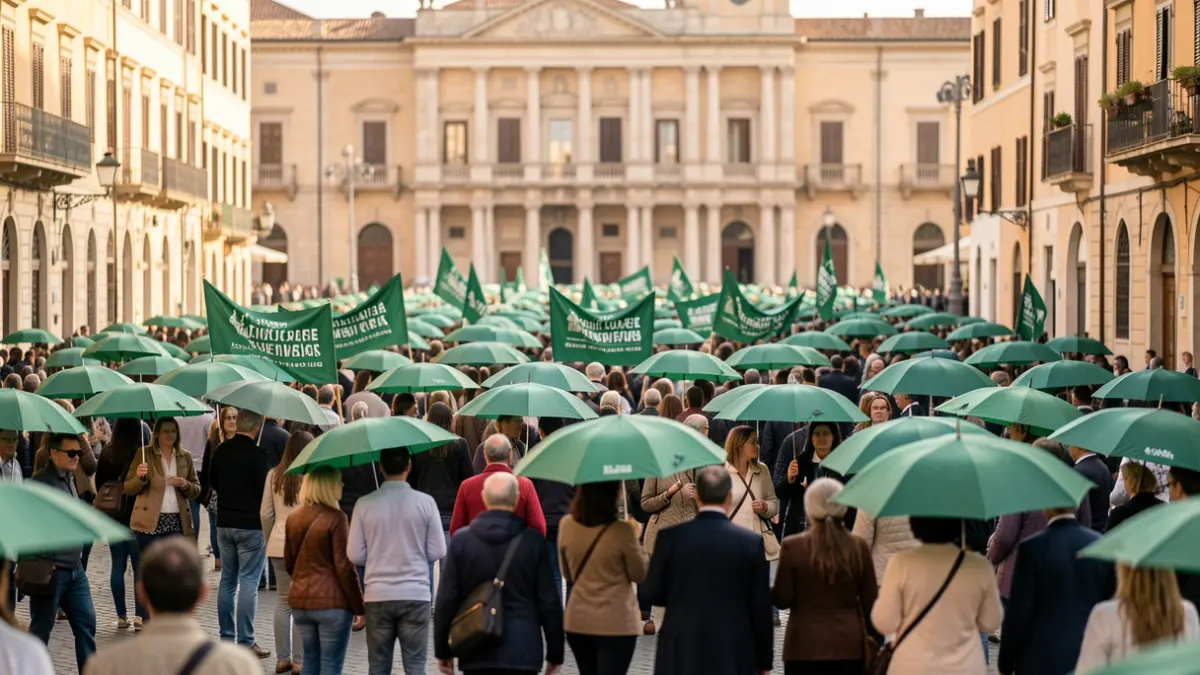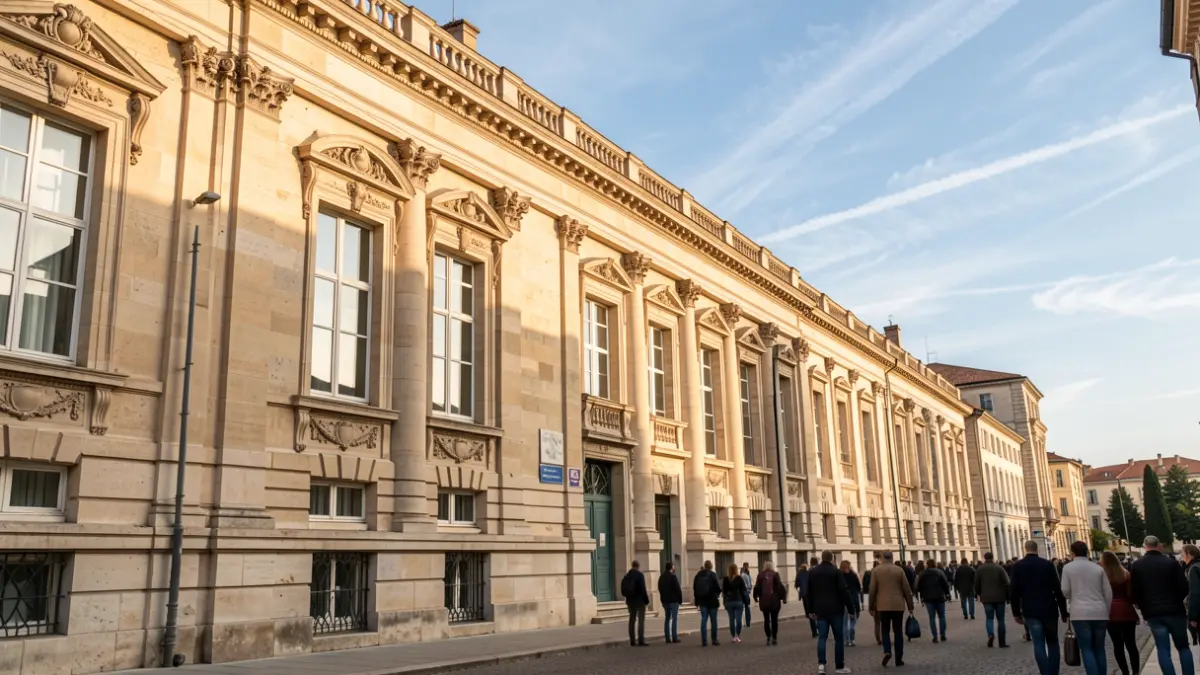
The event brought together academic and political representatives, memorialist groups, and family members to restore to one of the great figures of 20th-century Valencian medicine the place that history had denied him. The current rector, Juan Luis Gandía, emphasized that "remembering Peset is to return him to his rightful place in the history of the University and in the democratic memory of our people," defining him as a "committed scientist, doctor, professor, and rector," as well as "an unjustly murdered scientist."
One of the most emotional moments was the recollection of Peset's portrait, which for decades had to remain hidden in a Rectorate closet to prevent its destruction. A replica of this painting, which presided over the event, still shows the folds of the canvas, "the scars of history," according to Gandía, who links these marks to society's open wounds.
The rector highlighted Peset's innovative approach to teaching, advocating for practical laboratory training. He also stressed that "honoring Peset also means recognizing all those repressed by the Francoist dictatorship: the murdered, imprisoned, purged, exiled, and silenced."
Joan Baptista Peset was the youngest Chair of Medicine in Spain at 23, held four university degrees and three doctorates, and promoted the public opening of the UV's Botanical Garden. Writer Martí Domínguez defined him as "our contemporary Lluís Vives," noting his life marked by a macabre coincidence of dates: on May 24, 1910, he became a professor, and on May 24, 1941, he was executed in Paterna.
Domínguez recalled that Peset was "a good man," a lover of Valencian pilota and cycling, who suffered betrayal from twelve faculty colleagues in the court-martial. "Peset is not just a man of science and wisdom, but also of conscience and freedom," he concluded.
Vice-rector Carlos López Olano recalled that Peset was "the best-known of the 2,238 executed" in Paterna, a figure many young people are still unaware of. The Dean of the Faculty of Medicine, Amparo Ruiz, highlighted his humanistic vision, which would have been crucial during times like the pandemic, and stated that his murder "was a very great wound for the University and for Spanish medicine."
María Navarro, president of the Association of Families of Victims of Francoism from Pit 126 in Paterna, denounced that the repression destroyed entire generations and criticized the "democratic anomaly" of a country that has not yet condemned the perpetrators of Francoism, defending the work of memorialist associations as "a constant and firm struggle."
The tribute concluded with poet Marc Granell reciting verses and a performance by the String Quartet of the Philharmonic Orchestra of the University of Valencia, which played "El cant dels ocells."