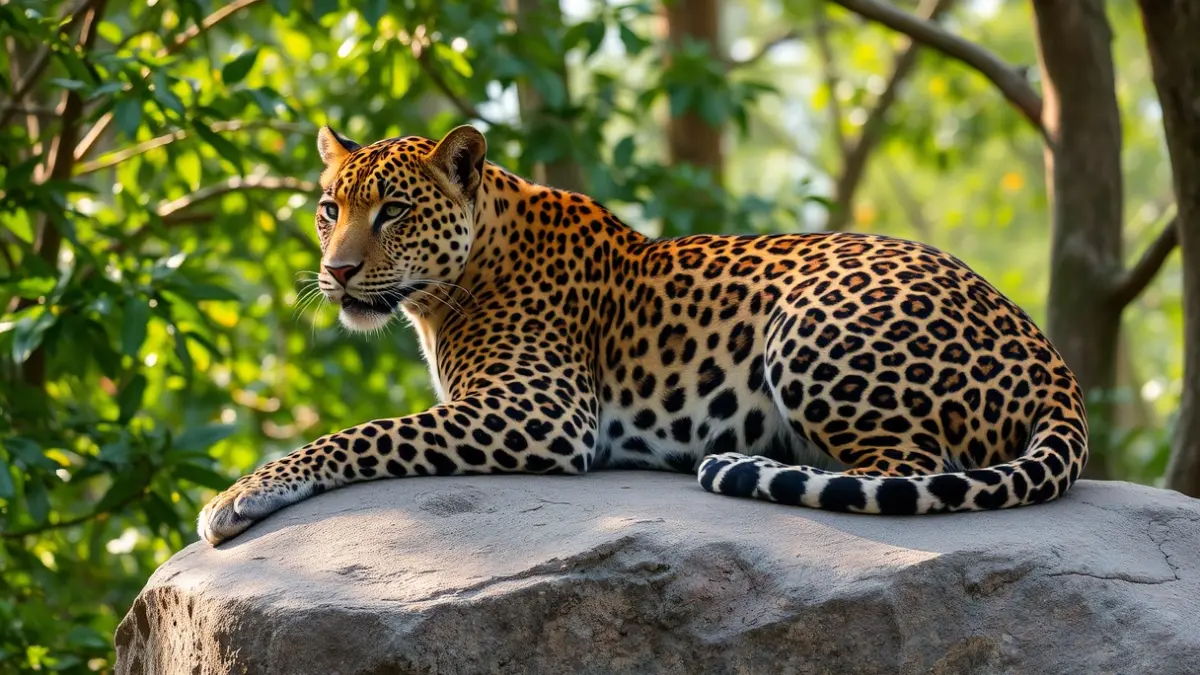
The feline, one of the most emblematic animals of the Valencian park, concludes a long life marked by care, dissemination, and his significant contribution to the international conservation program for the Sri Lankan leopard. The loss of Negombo has been a hard blow for the BIOPARC Valencia team, who for years closely followed the evolution of this feline.
The park highlighted that the animal received maximum welfare throughout this time, and especially in its last years, when the technical team detected various chronic pathologies related to its geriatric condition. In recent months, veterinarians and caregivers carried out intensive monitoring of its health. The detected pathologies were already affecting its quality of life and were part of an irreversible process associated with its advanced age. Given this situation, and with the primary objective of avoiding unnecessary suffering, the decision was made to euthanize it.
Negombo's life in Valencia was extraordinarily long. This specimen far exceeded the usual life expectancy of leopards in their natural habitat, which is between 10 and 12 years. Furthermore, he became the third longest-lived leopard in European zoos.
Negombo arrived at BIOPARC Valencia in 2009 from La Palmyre zoo in France, with the aim of being part of a group within the international conservation program for the Sri Lankan leopard, scientifically identified as Panthera pardus kotiya. This subspecies is considered endangered according to the IUCN Red List of Threatened Species.
The European conservation program established a group in Valencia with Negombo and the already deceased females Mamba and Inés, with whom he formed a pair. The contribution of both was especially relevant, as their offspring currently continue in other institutions within coordinated scientifically controlled breeding actions. The Valencian park now awaits, always under the recommendations of specialists, the upcoming arrival of a new leopard.