The exhibition, open until May 15 in the Altabix building's hall, gathers texts and images about women who, from the late 19th and early 20th centuries, participated in the construction of the Spanish feminist movement and in the defense of equality, education, freedom, and justice.
The exhibition has a documentary and educational nature, seeking to recover the memory of those first women who paved the way in very different fields: Catholics, moderates, freethinkers, trade unionists, intellectuals, and activists. The union argues that knowing this genealogy is especially necessary at the current time, given what it considers an attack on the principles of equality and a setback in women's rights.
“"The exhibition brings together the history of active work by women in the late 19th and early 20th centuries."
The exhibition presents biographies of women who contributed to creating new female subjectivities linked to the collective ideals of modernization, secularism, instruction, equality, freedom, and justice. According to CCOO, this is a first generation of Spanish women, a minority but very active, marked by their cultural and intellectual preparation and their prominence in an essential part of contemporary history.
Among the figures present are Rosario de Acuña y Villanueva, María Cambrils Sendra, María de Maeztu, Carmen Baroja, Zenobia Camprubí, Margarita Nelken, Hildegart Rodríguez, Concepción Arenal, and Emilia Pardo Bazán, among others. All of them represent, from different ideological positions, the same struggle for the social, political, and cultural recognition of women.
CCOO Pensioners frames these events in a context it considers particularly worrying, stating that it is more than necessary to promote such activities given the attack on the principles of equality and women's rights. The union criticizes the advance of far-right ideas and their adoption by other parties, which represents setbacks in rights that were hard-won.
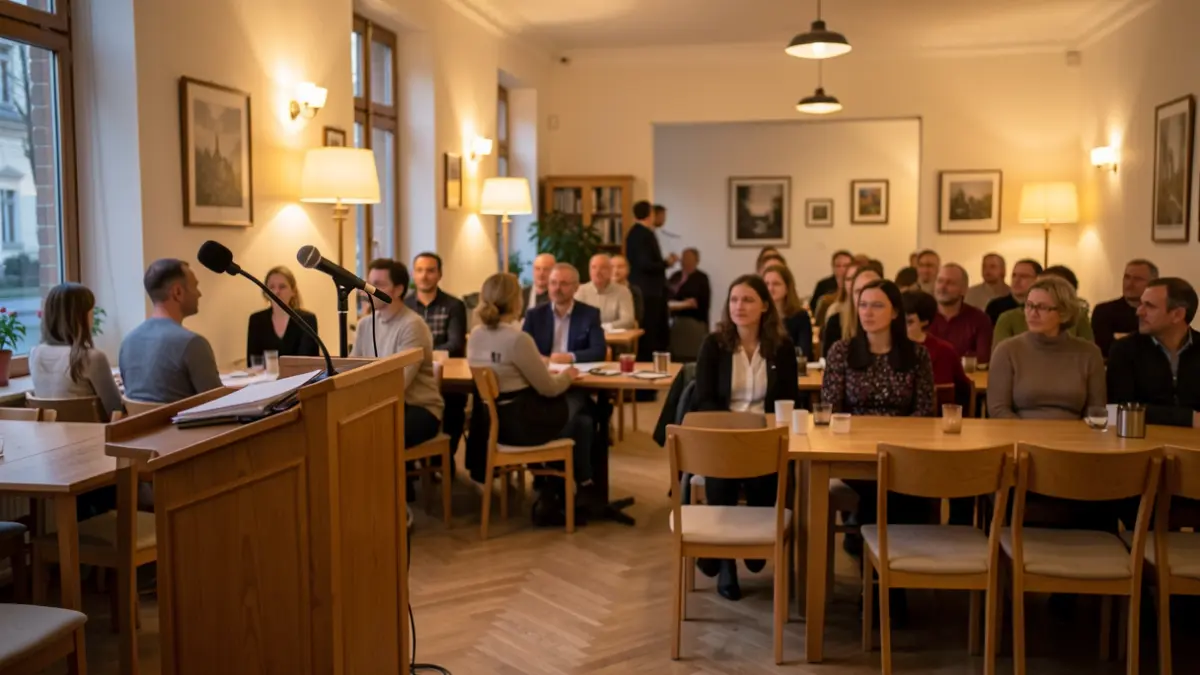
In addition to the exhibition, the events include various debate activities. On May 7, at 6 PM, a talk-debate will be offered with the co-author of the exhibition, focusing on the reasons behind this exhibition and the need to recover the memory of the first Spanish feminists. The program will continue on May 13, also at 6 PM, in classroom 7 of the Altabix building at UMH, with a presentation on feminism today from the perspective of working with adolescents.
CCOO Pensioners emphasize that these events have not only a cultural objective but also a civic and political one: to highlight the women who fought for rights that may seem consolidated today, but which, as the union warns, are once again in dispute. The exhibition at UMH is thus presented as a reminder that equality was not a gift, but a collective conquest that must continue to be defended.