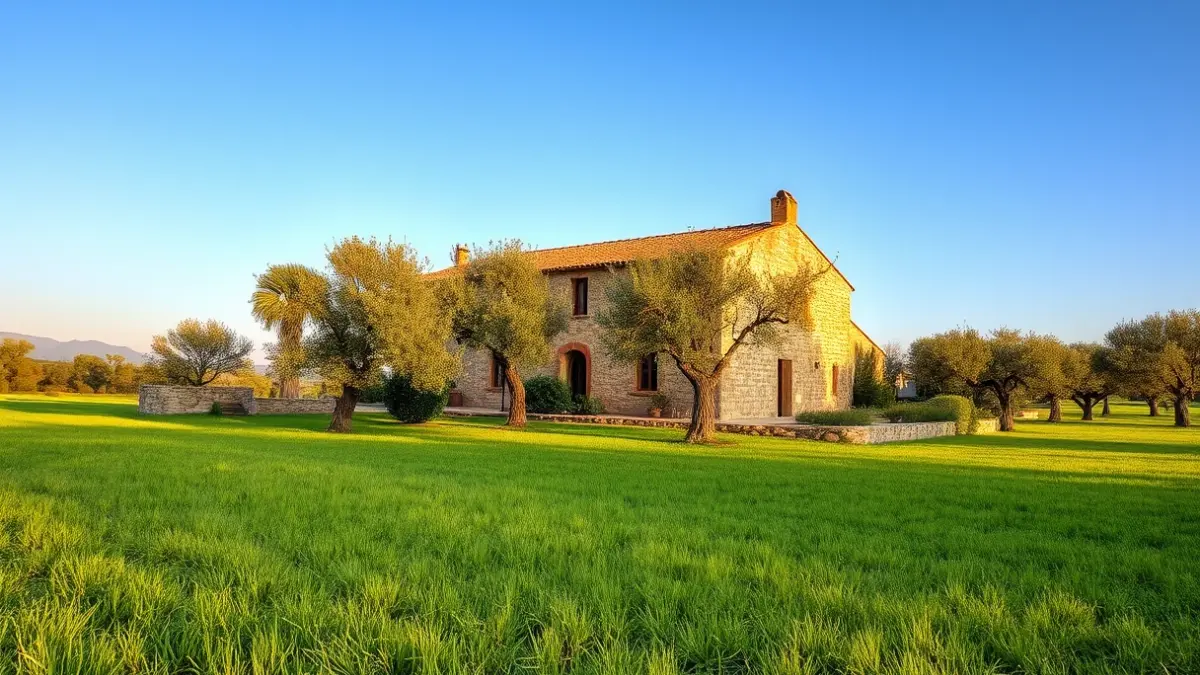
This establishment, open from Friday to Sunday by reservation, has consolidated since 2006 a model that combines rural hospitality and culinary coherence. Its owners, Catalina Chiva and Miguel Silvestre, have transformed an old tavern into a meeting point for travelers, maintaining the essence of the scattered farmhouses that, centuries ago, functioned as places of social gathering on the Camino del Cid.
One of its most outstanding proposals is the calçotada, which, despite being far from Valls, the canonical epicenter of this dish, adapts to the landscape of Maestrat. The calçots are grown on their own farm, reducing the distance between the land and the plate. They are grilled and served with a romesco sauce made with Benassal hazelnut, which provides a finer and more aromatic nuance than the usual almond. The menu is completed with sausages, grilled meat, village oven bread, and wine served in a porrón.
If anything distinguishes Cati Chiva's cuisine, it is her dialogue with the past and tradition. Not from nostalgia, but from research.
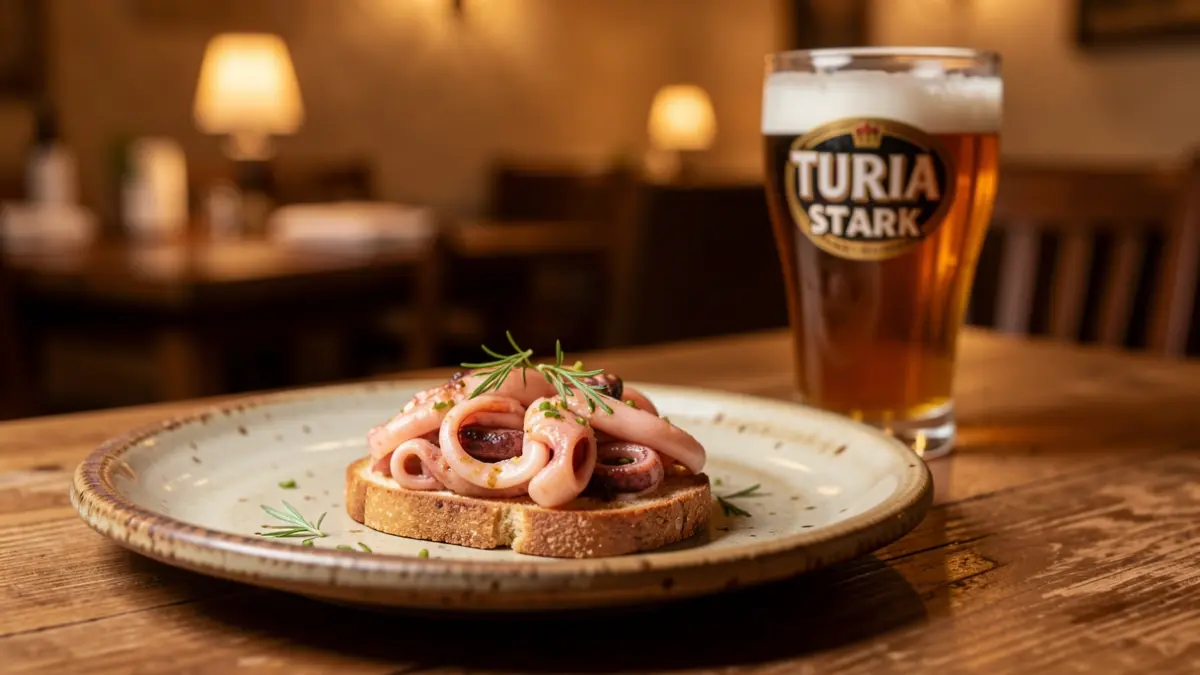
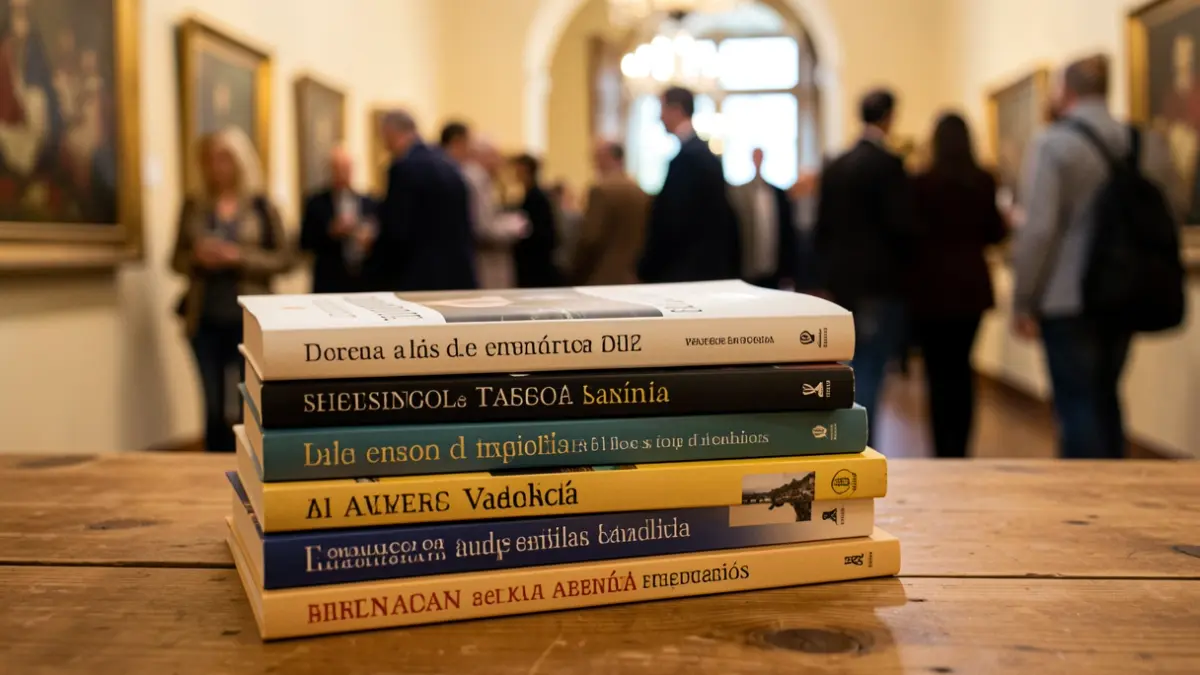
Beyond the ritual, Cati Chiva's cuisine is distinguished by its dialogue with the past and tradition, not from nostalgia, but from research. Her approach to medieval recipes, especially the Llibre de Sent Soví, has given rise to a unique line of work. Dishes such as rabbit with snails or lamb tombet refer to a tradition that never completely disappeared in these lands, with contemporary versions that revive historical sauces.
Eating at La Carrasca also implies looking around. A few kilometers away stands the monumental carrasca (holm oak) that gives the restaurant its name, a tree with centuries of history. This dialogue between landscape and cuisine is not rhetorical, but part of the experience in an Alt Maestrat that, with its abrupt orography and its Iberian and medieval vestiges, remains one of the least intervened territories of the Mediterranean.
In recent years, La Carrasca has strengthened its identity without falling into the temptation of sophistication. The proposal remains accessible, but increasingly refined in its discourse: greater attention to local products, continuity in seasonal menus, and a consolidation of its historical cuisine line as a hallmark. Cati Chiva has gained recognition in gastronomic circles linked to the recovery of traditional recipes, advocating for medieval and rural cuisine as living heritage.