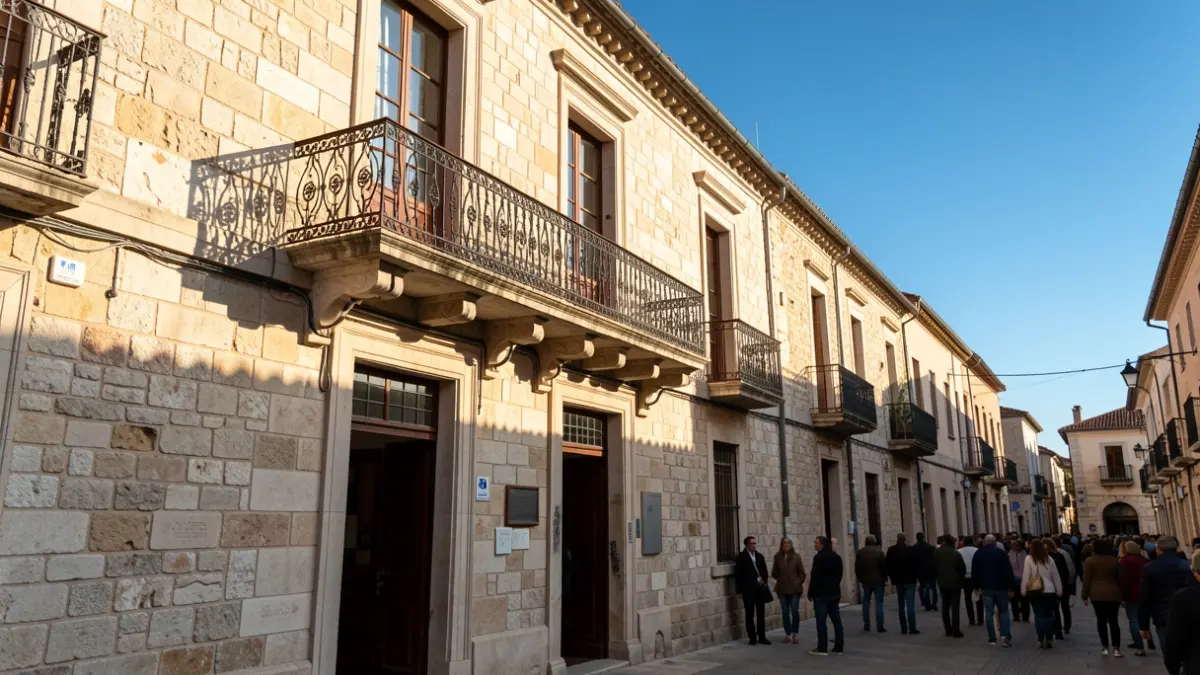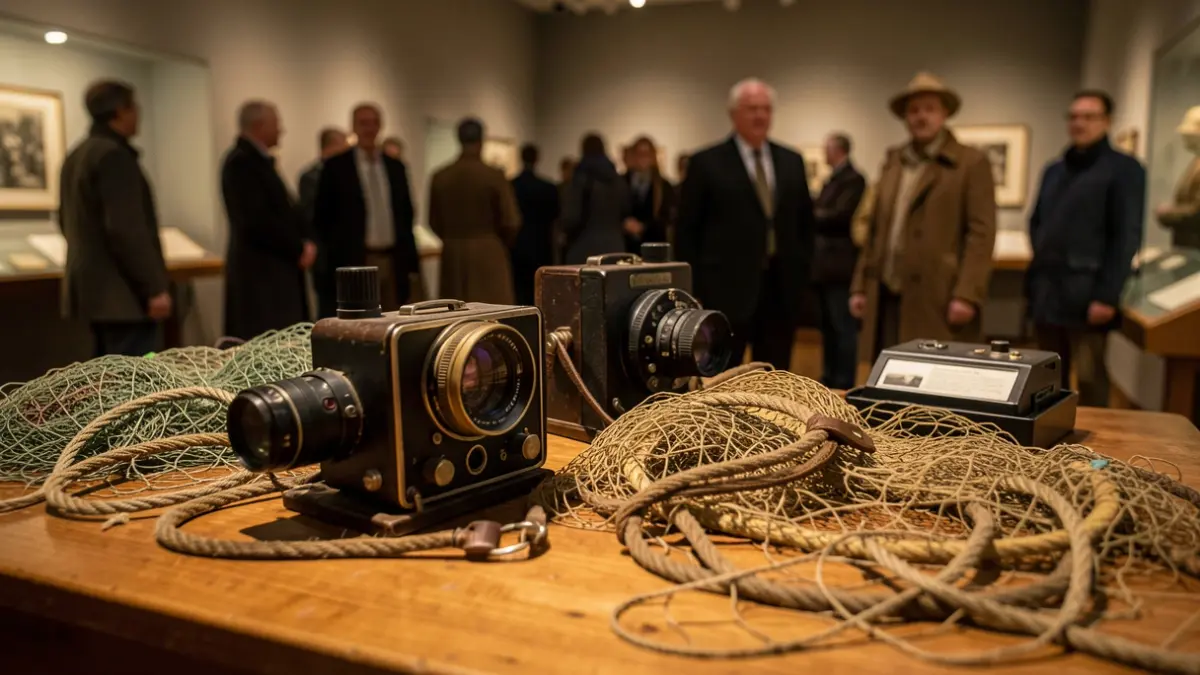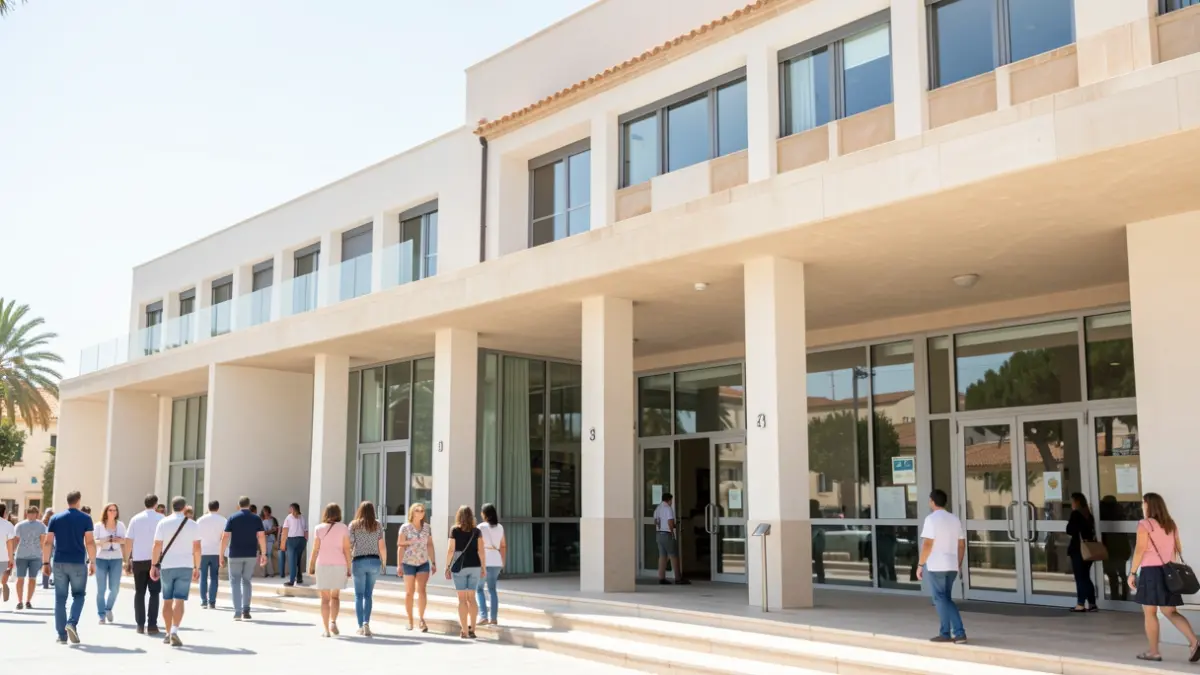
Improvements have been primarily implemented in the University of Alicante Museum (MUA), the Paraninfo, and the Aula Magna of Philosophy and Letters, where new technical and museographic resources have been incorporated to facilitate access for people with different needs.
Among the most recent actions is the addition of a subtitling bar for the Paraninfo's cultural programming and the acquisition of infrared language receivers for the Aula Magna of the Faculty of Philosophy and Letters. Furthermore, the MUA has renewed part of its exhibition resources with new accessible display cases, adapted in height and designed to facilitate approach for wheelchair users.
The Vice-Rector for Culture, Sport, and University Extension at the UA, Catalina Iliescu, stated that «it is a pleasure to continue the collaboration with Veolia in the Valencian Community, an entity with which we have been working for five years and thanks to which we can implement measures like those we present today, as it allows us to take giant steps in accessibility and inclusion in culture».
The Director of Communication and Institutional Relations for Veolia in the Valencian Community, Martín Sanz, defined the agreement with the UA as «an impeccable model of public-private collaboration» and assured that both entities work together to promote talent, innovation, and social action.
The current actions follow up on those developed during the previous academic year, when the university incorporated an FM transmission system to improve the experience for people with hearing impairments in the Paraninfo and provided new folding chairs in various rooms of the MUA.
In the area of cognitive accessibility, the museum has also developed easy-read materials and pictograms for various archaeological and cultural exhibitions, adapted and validated by specialized professionals to facilitate content comprehension. Additionally, the university has enhanced the linguistic accessibility of exhibitions by reviewing and adapting translations into German and English, accessible via QR codes installed in the halls.
Measures implemented in recent years also include the renovation of the MUA's accessible signage using NFC and braille technology, the installation of multisensory proposals, and the incorporation of manipulable pieces inspired by the works of Arcadi Blasco to enhance the tactile experience for visually impaired individuals. The university's cultural programming has also added sign language interpretation services and awareness activities on universal accessibility within various initiatives open to the public.
With this set of actions, the University of Alicante consolidates its commitment to accessible and inclusive culture and strengthens its collaboration with Veolia to continue expanding adapted resources in the university sphere.