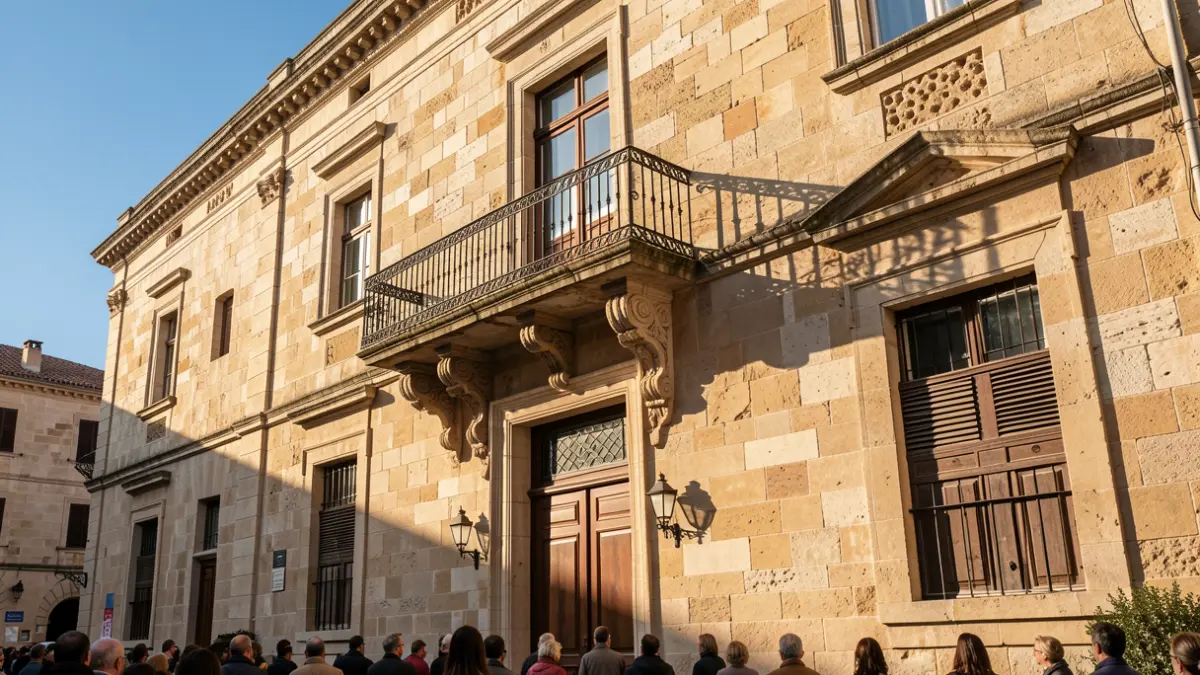
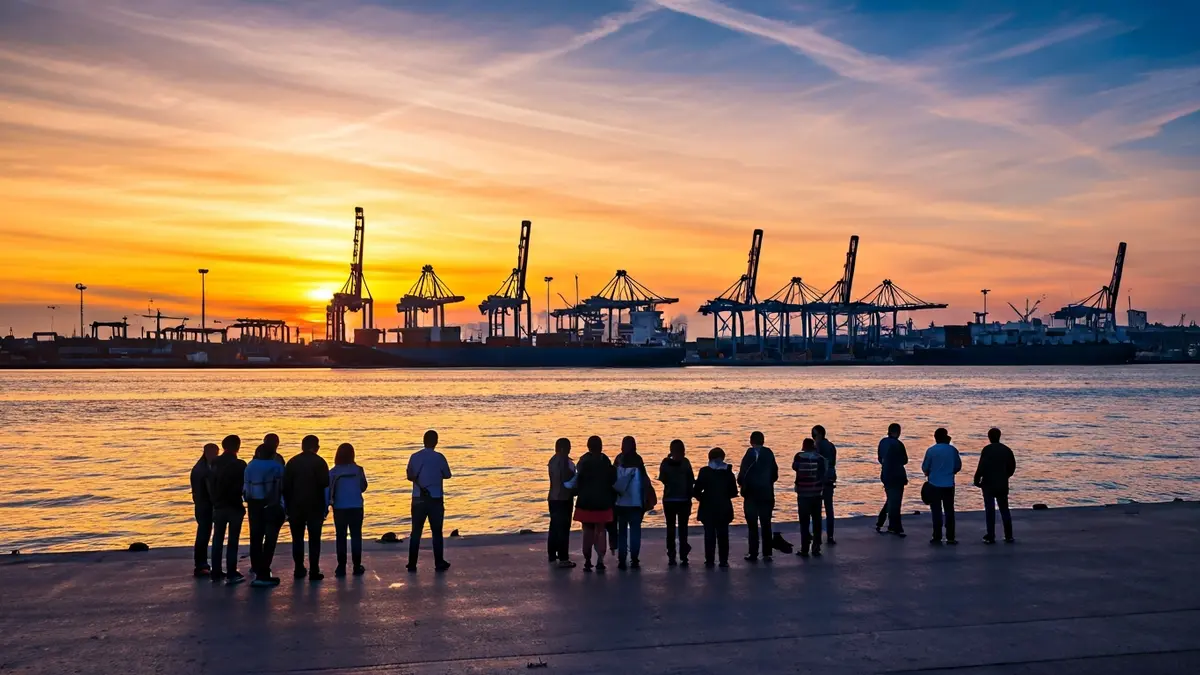
For years, the Port of Alicante has operated with its own logic, often disconnected from the rhythm and needs of the city. This dynamic, common in many Spanish ports, gained particular intensity in Alicante, where the port infrastructure acted as a physical, institutional, economic, and cultural border.
However, a transformation in the attitude of port officials is now observed. This evolution is not manifested in structural changes to the institution, but in the willingness for dialogue and collaboration with its surroundings. The port has begun to seek new business opportunities, orienting itself towards the Great South and interacting with local companies and operators to understand the needs of the provincial economy.
The science of books would be worth nothing if one did not pursue the doctorate of conversation with all kinds of people.
This new orientation implies recognizing that port growth depends on understanding and persuasion, going beyond being a mere backdrop. Collaboration with entities such as the Territorial College of Architects of Alicante in debates on the Port-City relationship underscores this intention to overcome parallel planning and foster interconnection.
The provision of spaces for the port's logistical growth outside its public domain, the improvement of road and pedestrian permeability, and the commitment to the new urban economy and innovation are concrete examples of this new vision. These initiatives seek a loyal and forward-looking integration of the coastal strip, considering it an essential part of the shared identity of the people of Alicante.