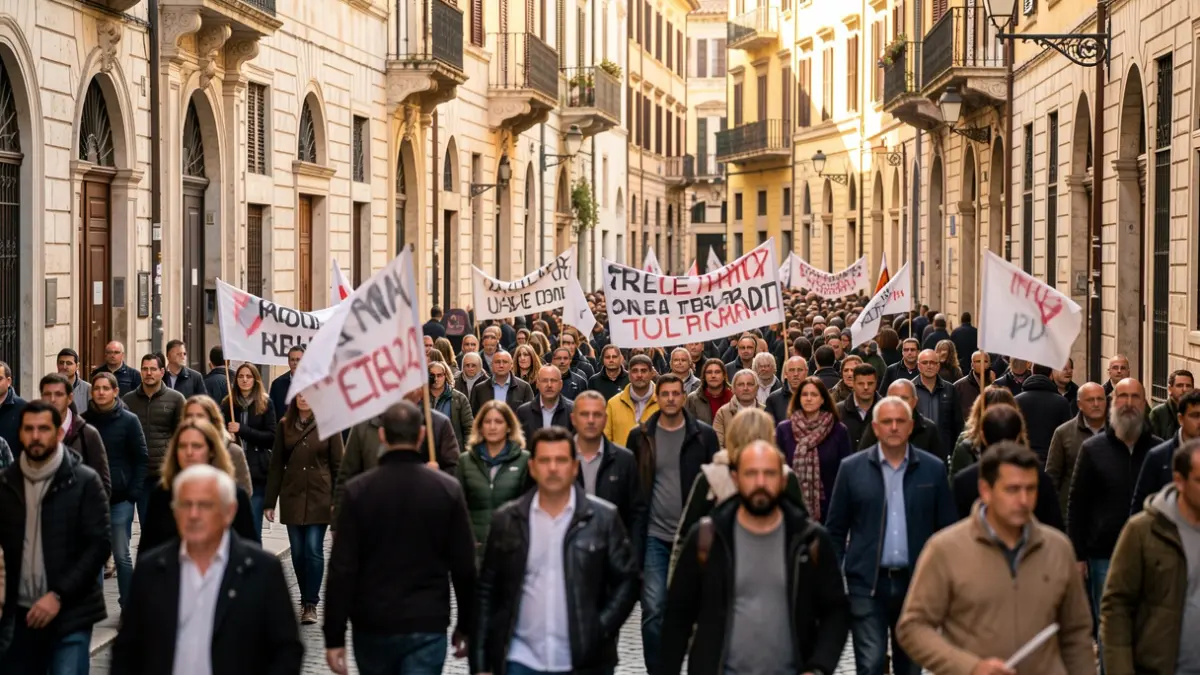
The management of democratic memory has undergone significant changes in the Generalitat with the implementation of new regulations. While the regional government defends its policy of concord, researchers and local entities point out that the lack of precise data on graves pending exhumation hinders any effective intervention.
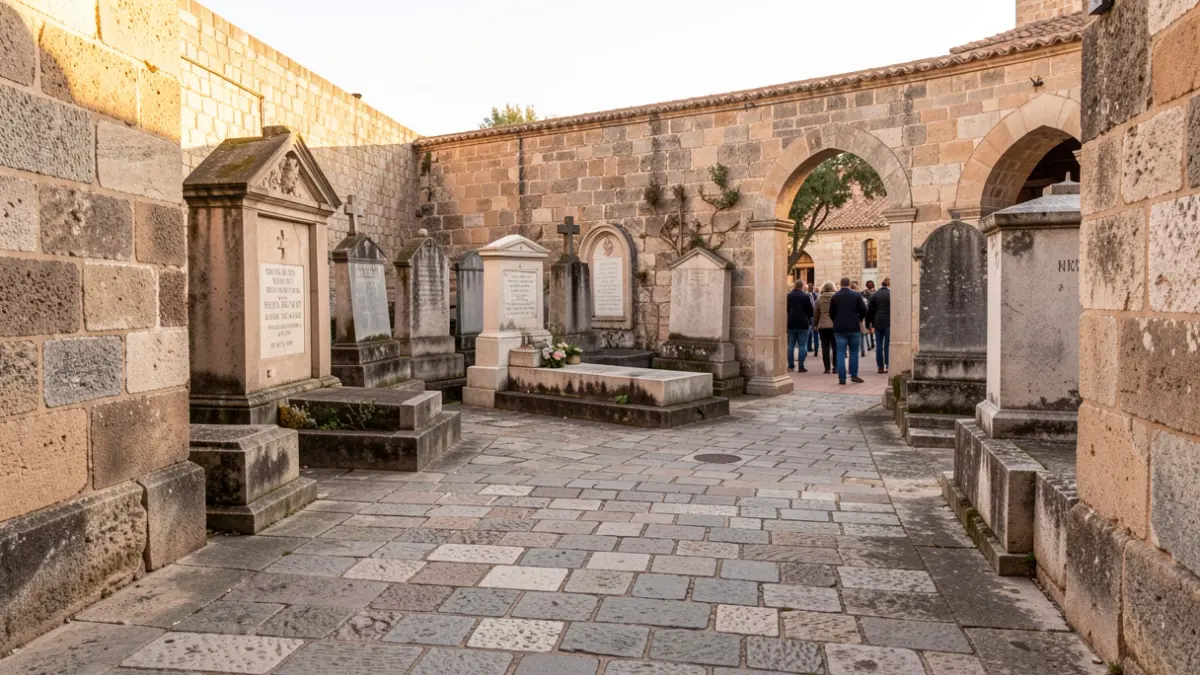
In the case of Alicante, it is estimated that the remains of nearly 200 people are still to be located in various graves at the municipal cemetery. The situation is complicated because many of these spaces were closed or reused for later burials, making the search task technically complex and costly.
Associations criticize that the responsibility for activating exhumations falls mainly on city councils, which often lack sufficient means. Furthermore, the lack of institutional collaboration in some councils, including Alicante, has led to a standstill in projects to identify those repressed.
One of the most remembered episodes in the city is the bombing of the Central Market on May 25, 1938, which caused hundreds of deaths. Even today, the memory of this event and the identification of victims buried in mass graves remain a point of friction between memorial associations and the local administration.