
The provincial collective agreement for Alicante in the industry of plastic lasts, heels, soles, insoles, and wedges establishes a 9.5% salary increase distributed over three years. The employers' association, the Spanish Association of Footwear Component Companies (AEC), has thanked the negotiating will of the CC OO and UGT unions, highlighting the complex context for auxiliary footwear companies.
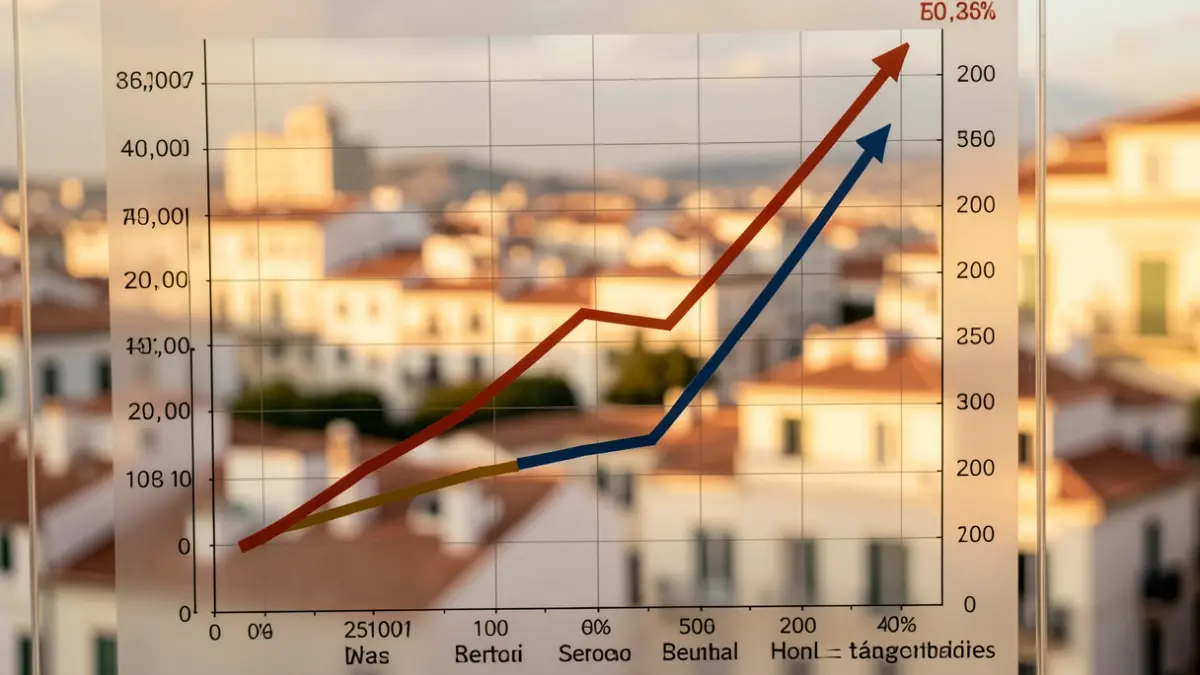
This agreement provides stability and legal certainty to the sector for the coming years, reflecting a commitment to social peace, the improvement of workers' conditions, and the economic sustainability of companies. The salary increase will be distributed as 4% for 2026 (effective from January 1st), 3% for 2027, and 2.5% for 2028. Additionally, a maximum adjustment clause of up to 1.5% for 2027 and 2028 is included, applicable if the CPI exceeds the established percentages.
AEC has emphasized the predisposition and responsibility of the trade unions, which has allowed for a balance between social demands and the economic reality of the companies. A key point was the express waiver by the union representation of the increase derived from the salary review of 2025, avoiding additional retroactive burdens.
The agreement also maintains the working day without reduction and updates matters such as leaves, permits, work-life balance, the LGTBI Law, the mobility plan, the protocol against sexual harassment and gender violence, and the protocol for adverse weather conditions.
Álvaro Sánchez, General Director of AEC, positively assessed the agreement as responsible, improving workers' conditions while considering the situation of the companies, which are closely linked to the evolution of the footwear sector.
Sánchez highlighted the importance of social dialogue for resolving differences and providing stability, especially in a context of declining activity, rising costs, and international competitive pressure. Collective bargaining, he indicates, must be based on responsibility and knowledge of the business reality.
The signing of the new collective agreement will reinforce the labor stability of the lasts industry for the next three years, contributing to the maintenance of business activity, the protection of industrial employment, and the continuity of a strategic sector.
The next meeting of the negotiating committee will take place on July 22nd for the signing and registration of the agreement text.