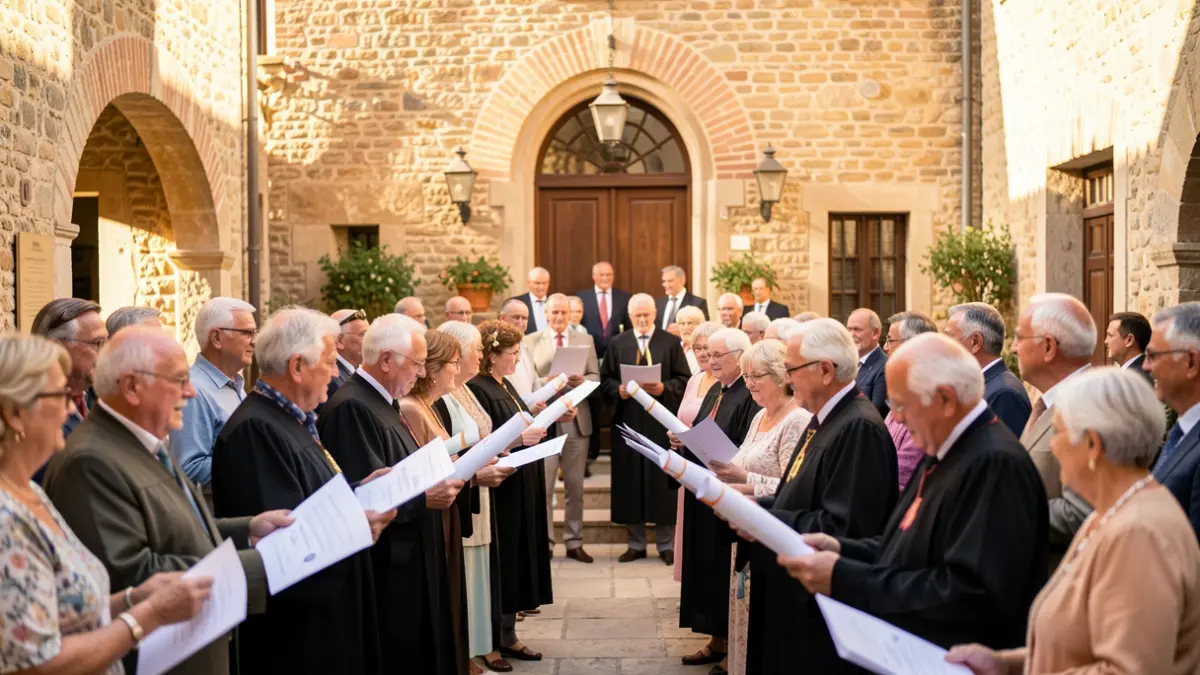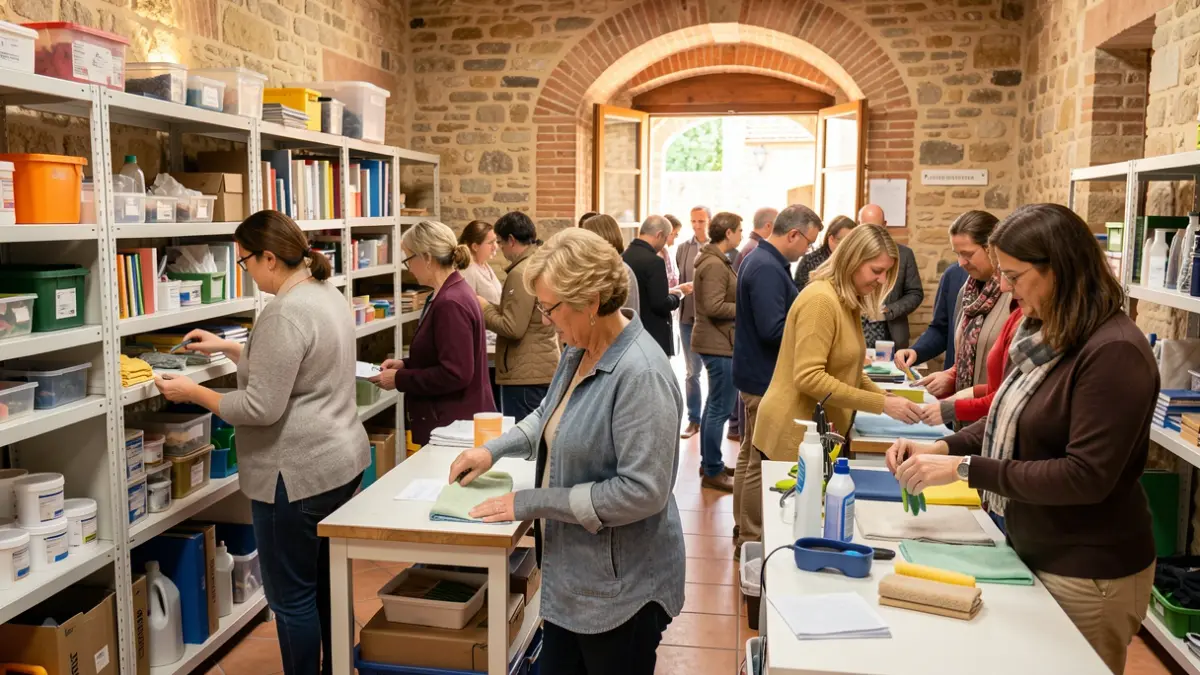
The scientific conference, held on Friday at the Elche campus, concluded that it is fundamental to move towards more coordinated care models. A professor from the Faculty of Health and event coordinator highlighted that multidisciplinary follow-up improves the care and quality of life of oncological patients.
The meeting brought together professionals from reference hospitals such as Hospital General Universitario Doctor Balmis, Hospital Clínico Universitario de Valencia, and Hospital Quirón Salud Torrevieja, in addition to researchers from the university itself. The event was also open to patients, family members, and the general public, aiming to bring scientific knowledge closer to citizens.
The program was structured into two roundtables. The first focused on the clinical aspect, analyzing issues such as pancreatic cancer and advances in early diagnosis and molecular imaging. Speakers agreed on the importance of technological innovation and personalized medicine, emphasizing that the future of treatment involves adapting clinical decisions to the individual characteristics of each case.
The second roundtable focused on disciplines that, although traditionally having a secondary role, are key to the comprehensive treatment of the patient. Specialists in psycho-oncology, clinical nutrition, and physiotherapy explained how these areas directly influence the evolution of the disease. It was stressed that the patient must be at the center of the entire care process, and factors such as diet, emotional state, and functional recovery play a decisive role in quality of life.
“"We cannot treat oncology in a fragmented way. Evidence shows that multidisciplinary follow-up implemented in routine clinical practice improves comprehensive care and the quality of life of oncological patients."
One of the most repeated messages was the importance of moving towards a work model based on collaboration between specialties. The coordinator highlighted that, although the healthcare system has begun to incorporate multidisciplinary tumor committees, structural limitations still exist to fully implement this approach. The conference served to foster dialogue among professionals and promote new synergies.
The meeting also highlighted the research lines developed by CEU UCH in oncology, especially regarding the individualization of treatments. The Pharmacy and Clinical Nutrition research group works on therapeutic drug monitoring to adjust doses for each patient, seeking to increase efficacy and reduce toxicity. This approach directly connects with the concept of integrated care, as it considers pharmacological, nutritional, and functional factors that influence treatment response.
The conclusions point to a progressive transformation of the care model in oncology, with the integration of disciplines, personalization of treatments, and attention to patient quality of life as fundamental axes. The goal is to build a system where the patient is at the center and all professionals work in a coordinated manner to improve both survival and well-being.