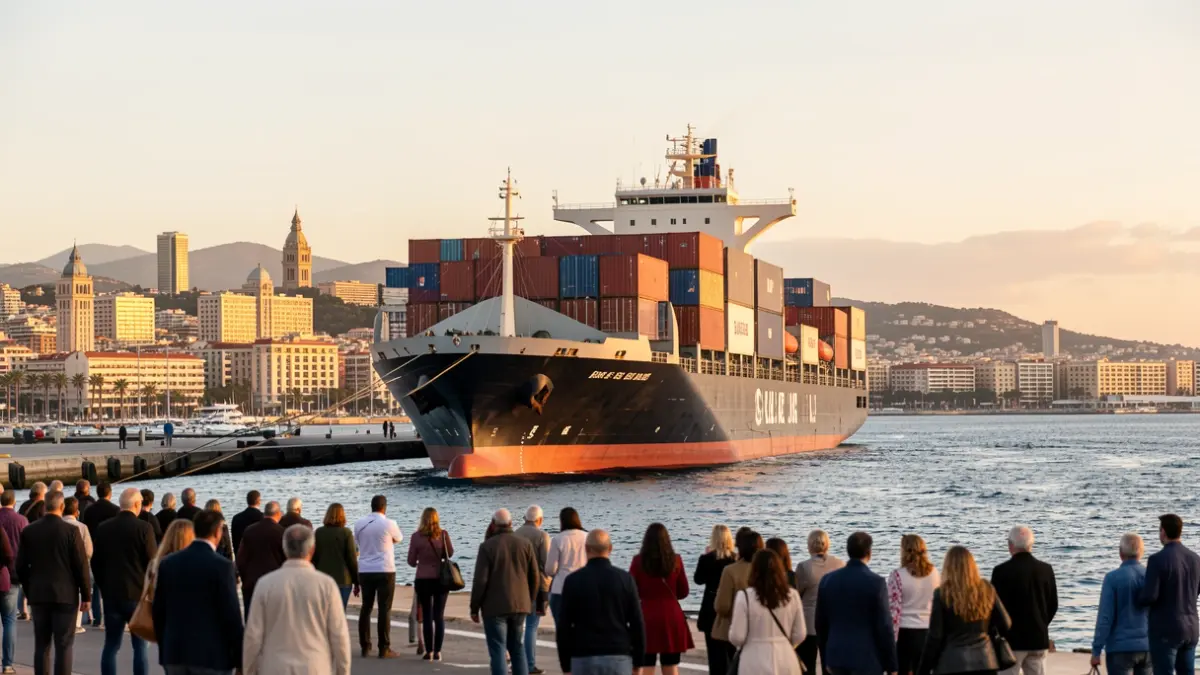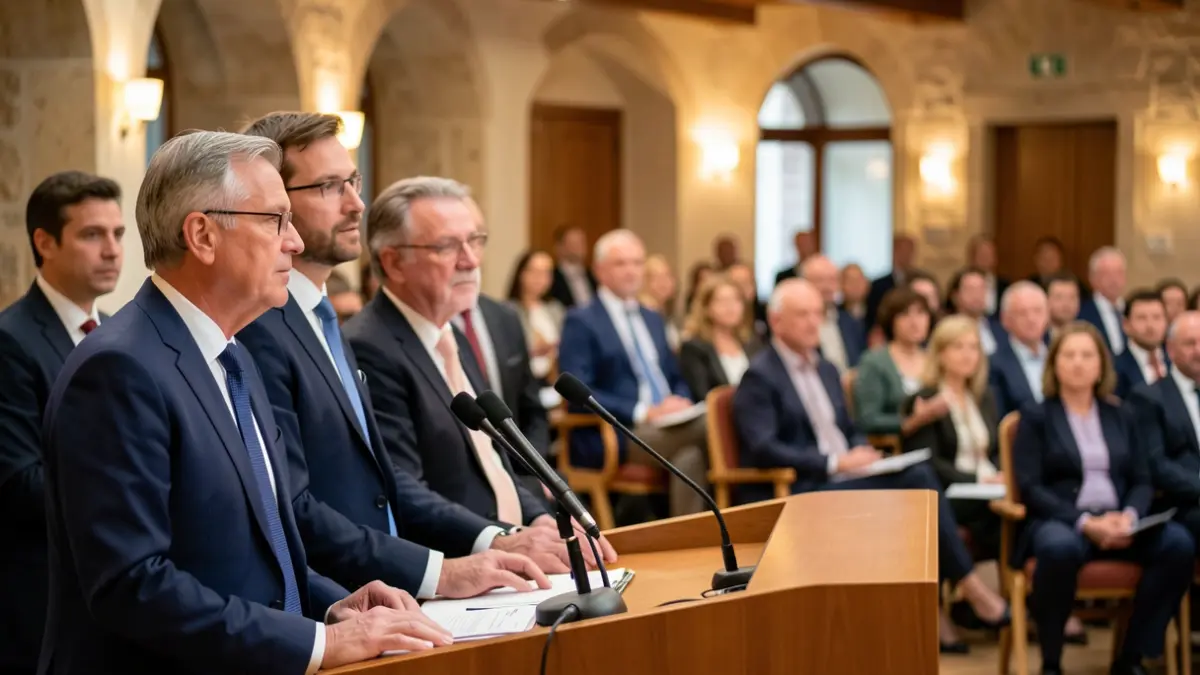
Today's session of the III Mediterranean Economic and Social Forum is dedicated to topics centered on people, social cohesion, housing, sustainability, tourism, urban transformation, and territorial competitiveness. The event includes the participation of various ministers, regional presidents, and mayors from major Mediterranean cities.
The objective is to translate the major commitments discussed yesterday into tangible proposals for the future of the Mediterranean arc. H.M. the King will participate in a key session to ground these agreements.
Mayors from cities such as Barcelona, Valencia, Málaga, Palma, and Cartagena will debate urban challenges today, including housing management, mobility, tourism, and sustainability.
Access to affordable housing has been identified as one of the main challenges for large Mediterranean cities, especially those subject to strong demographic and tourist pressure.
At the opening, Javier Moll, president of Prensa Ibérica, advocated for dialogue as a fundamental tool for building consensus in an international context marked by polarization and uncertainty.
The Forum has championed the idea that the Mediterranean is a community of shared interests, where stability, energy, trade, and mobility are common challenges.
The first day featured prominent figures such as Javier Colomina (NATO Secretary General's Special Representative for the Southern Neighborhood), Josep Borrell (former EU Minister and High Representative), Fernando López Miras (President of the Region of Murcia), Jaume Collboni (Mayor of Barcelona), Gonzalo Górtazar (CEO of CaixaBank), and Alfonso Álvarez (CEO of Cellnex).
Paloma Taltavull, a professor at the University of Alicante, presented the council's conclusions on the housing emergency, emphasizing the need for comprehensive intervention, hybrid financing, and social management, with neighborhood offices as a fundamental pillar.
Taltavull highlighted that "new construction was not enough" to address the influx of population and housing availability.
Pedro Pablo Hernández, president of the Port Authority of Cartagena, stated that "20% of the GDP of the Region of Murcia is industry," underscoring Cartagena's importance as an industrial and logistics hub.
Pere Navarro, executive president of the Zona Franca Consortium, expressed the goal of "transforming an industrial zone into a district of innovation, culture, and entertainment," replicable in other Mediterranean cities.
Denis O’Brien, president of Camiral, indicated the intention to attract "500,000 people to play golf during the winter months in Girona," aiming to become a benchmark in quality tourism.