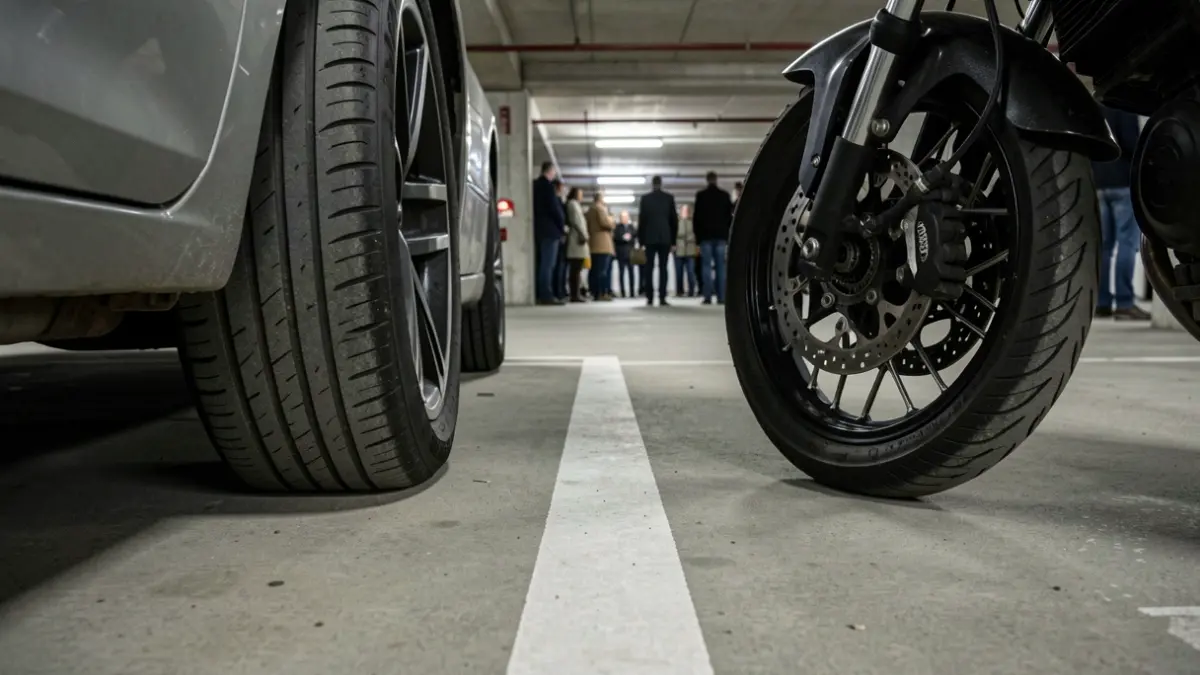
It is a common situation in community garages to see parking spaces where a car and a motorcycle coexist. Many owners take advantage of the available space within the lines marking their spot to park multiple vehicles. However, the Horizontal Property Law (LPH) establishes certain principles that can affect the legality of this practice, and using the parking space in any manner is not always permitted.
The LPH does not contain a specific prohibition against parking two vehicles in the same space. Nevertheless, it does establish general principles that may prevent it in certain cases. The mere fact that both vehicles fit physically does not guarantee that parking them together is allowed. In addition to the homeowners' association rules, issues such as the garage's license, fire safety, and insurance coverage must be considered.
The legislation recognizes each owner's right to use their parking space, provided that such use does not harm other neighbors or affect the building's common elements. Therefore, a car and a motorcycle could share a space if both vehicles remain completely within the lines marked on the ground and do not hinder the access or exit maneuvers of adjacent vehicles. If any vehicle extends beyond the lines into common areas or partially invades another space, the community could initiate claims.
If the presence of two vehicles complicates the garage's internal circulation or prevents the proper opening of neighboring car doors, the community could demand that the previous situation be restored. Furthermore, the homeowners' association's statutes may include an express prohibition against parking more than one vehicle per space. When this limitation has been approved in accordance with regulations and is included in the community documents, owners are obliged to respect it, even if the physical space would allow placing a car and a motorcycle without apparent inconvenience.
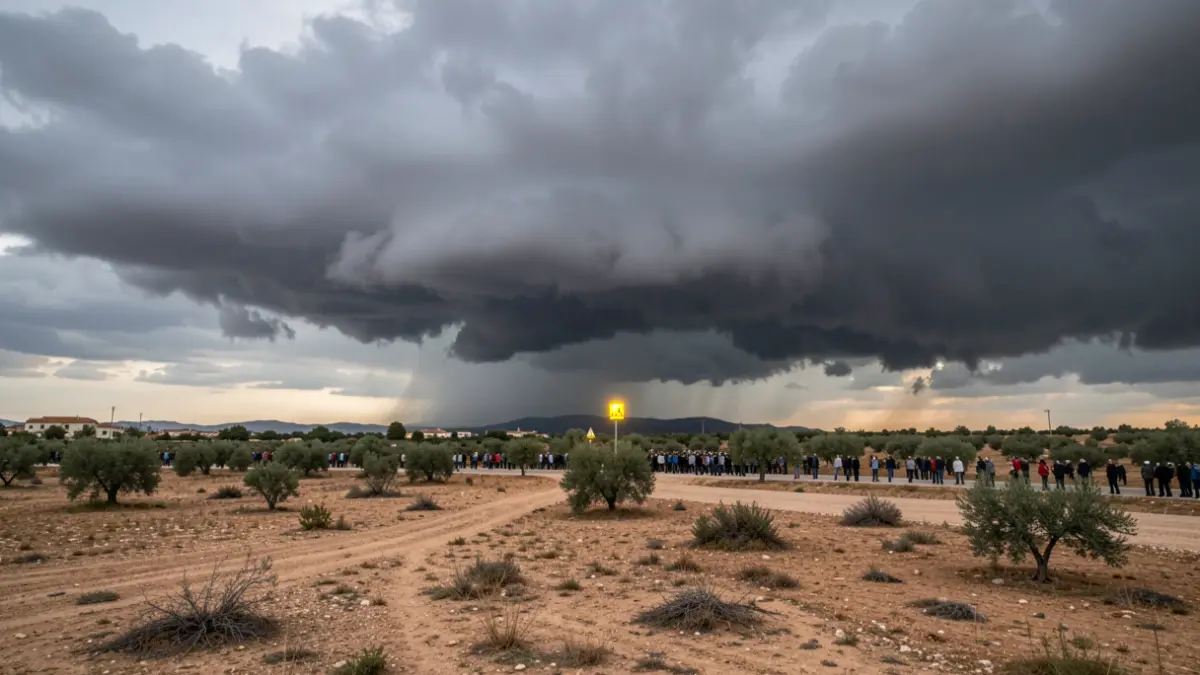
Beyond neighborly coexistence, there are technical issues that often go unnoticed. Community parking garages have an activity license granted by the city council, based on a specific number of authorized spaces and vehicles. If the actual number of vehicles exceeds that projected in the plan, problems related to ventilation, evacuation, or fire safety measures could arise. For this reason, before using a space for two vehicles, it is advisable to review the community's statutes or consult with the property manager.