The city of Alicante is preparing for a transformation in its residential model with the implementation of new housing typologies. The Structural General Plan (PGE), on which the Alicante City Council is working, will include a specific regulatory framework for concepts such as 'flex living', 'coliving', residential endowment accommodations, and temporary residences linked to activities. This initiative seeks to define the conditions for implementation, habitability, design, and urban quality standards for these new forms of cohabitation.
The regulation of these residential options, already highly developed in other European countries, is one of the strategic lines of the PGE regarding housing. Experts participating in the fifth thematic dialogue table on this urban planning document, the most important in the last 39 years, agreed on the need to promote and regulate these more flexible and economical alternatives to favor access to housing.
“"The General Plan must include these new housing typologies with clear and flexible regulation, capable of responding to the transformation of household models, mobility patterns, and new forms of coexistence."
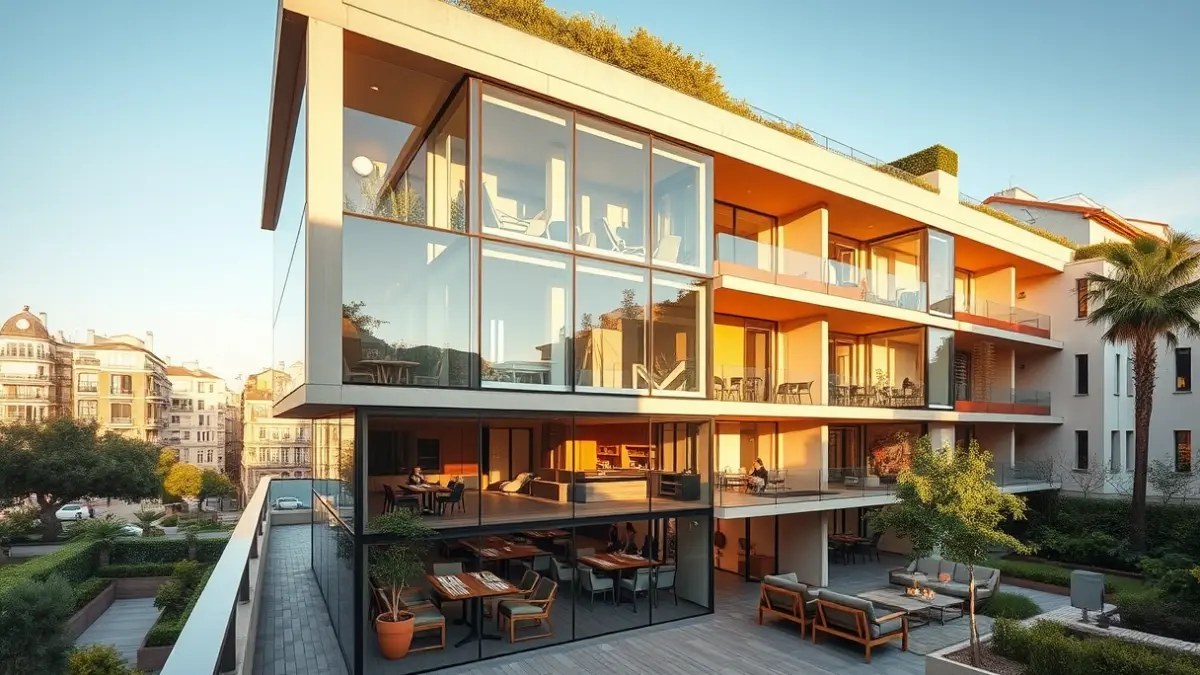
Among the emerging residential typologies to be incorporated are 'flex living', a flexible model for medium or temporary stays with common services and unified management, ideal for displaced workers. 'Coliving' is based on cohabitation in reduced private spaces complemented by ample shared common areas, fostering community living models for young people or those in residential transition. Residential endowment accommodations, linked to public land and intended for specific groups or vulnerable situations, and temporary or activity-linked endowment residences for students, researchers, or displaced workers are also included.
The PGE will establish the necessary regulatory conditions for their implementation, defining parameters for habitability, design, density, provision of common spaces, and compatibility of uses. The objective is for these new ways of living to contribute to the diversification of the residential stock without compromising urban quality or the structural function of housing in the city.
The General Plan contemplates promoting more than 40,000 homes, of which 22,300 will be developed in new development neighborhoods, 14,300 in urban regeneration and transformation operations, 5,000 will result from redensification actions, and 1,300 will be affordable rental endowment housing. These strategies were debated at the housing thematic dialogue table, where participants agreed on the need to guarantee access to housing and advocated for regulatory flexibility to design new types of quickly built, lower-cost housing.