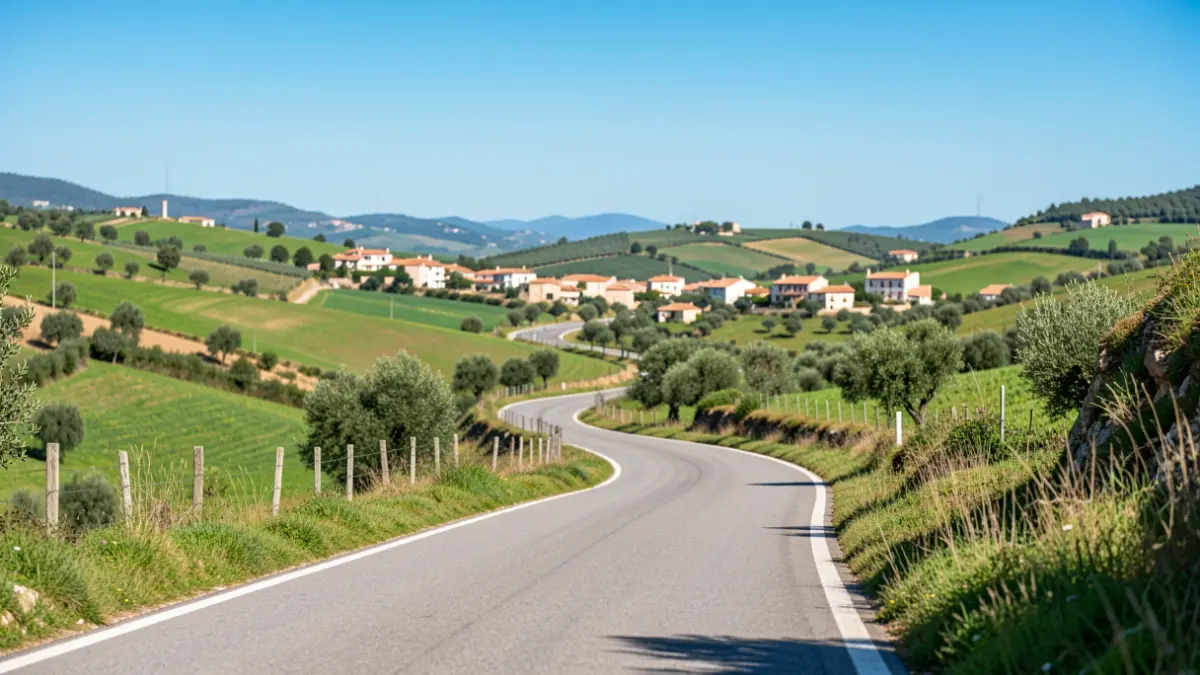
The plan aims to make Ruta 99 a stable resource for combating depopulation by connecting small villages and highlighting their historical heritage, natural spaces, and local gastronomy. The goal is also to create opportunities in rural areas by promoting tourism-related businesses such as accommodations, restaurants, and artisan workshops to retain population.
The Director General of Local Administration, José Antonio Redorat, emphasized that the project is designed for consolidation and longevity. He explained that the Consell is working to improve the visibility of these municipalities and strengthen their economic and social fabric.
Meanwhile, the Regional Secretary for Tourism, José Manuel Camarero, highlighted the role of cycle tourism as a driver of opportunities in the interior of the Valencian Community. He argued that Valencian identity is also built in small villages that preserve their heritage and way of life, and that this type of tourism helps to spread demand throughout the year.
The six new circular cycle routes feature varying difficulty levels and connect sites of cultural, landscape, and heritage interest. They allow participants to start and finish in the same municipality. Among them are routes such as Torrechiva (25.3 km), Fuentes de Ayódar (73.2 km), Herbers (133.7 km), Palanques (56.9 km), Benillup (79.2 km), and Puebla de San Miguel (77.1 km).