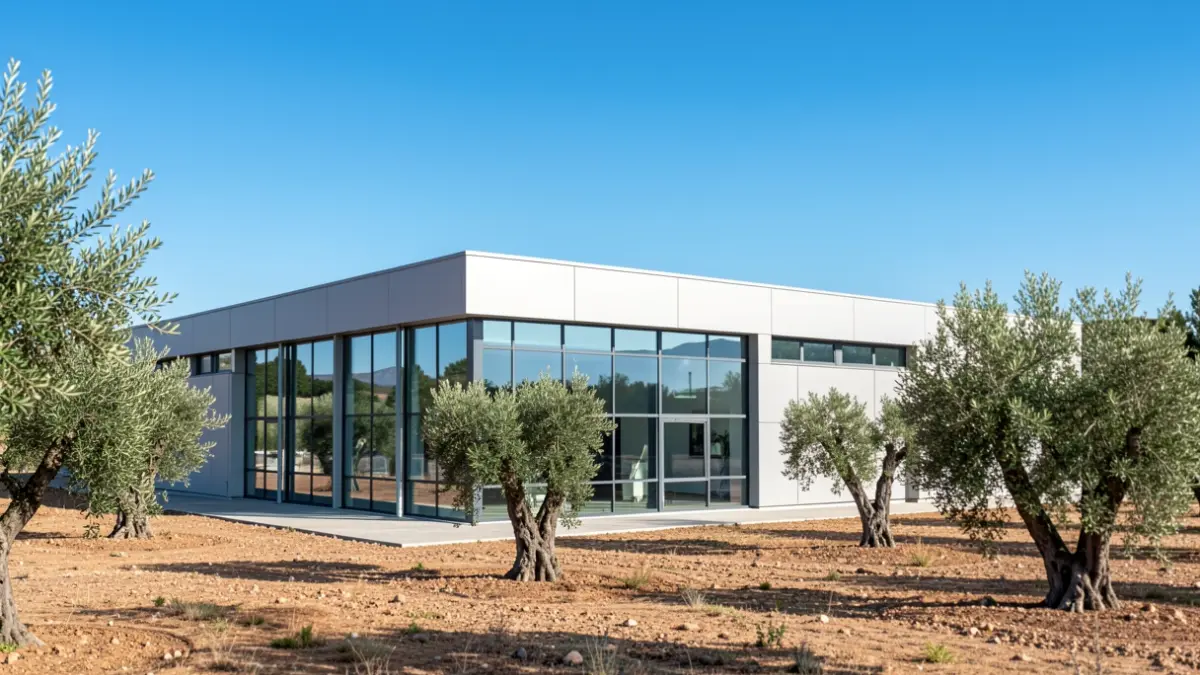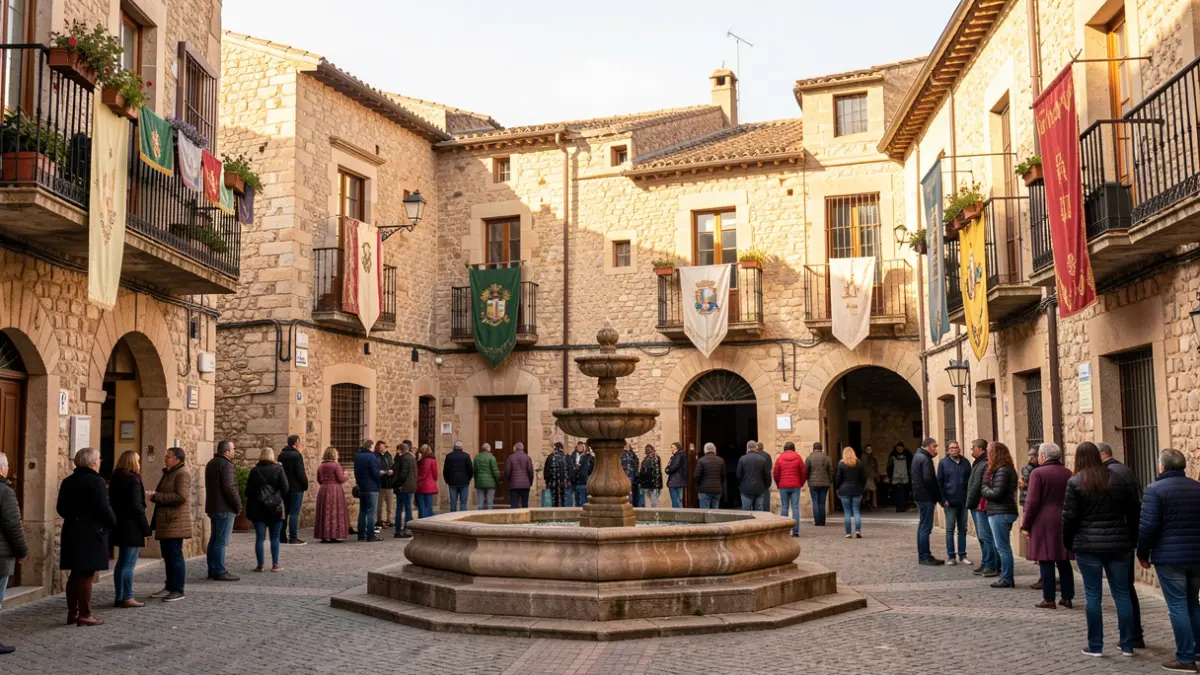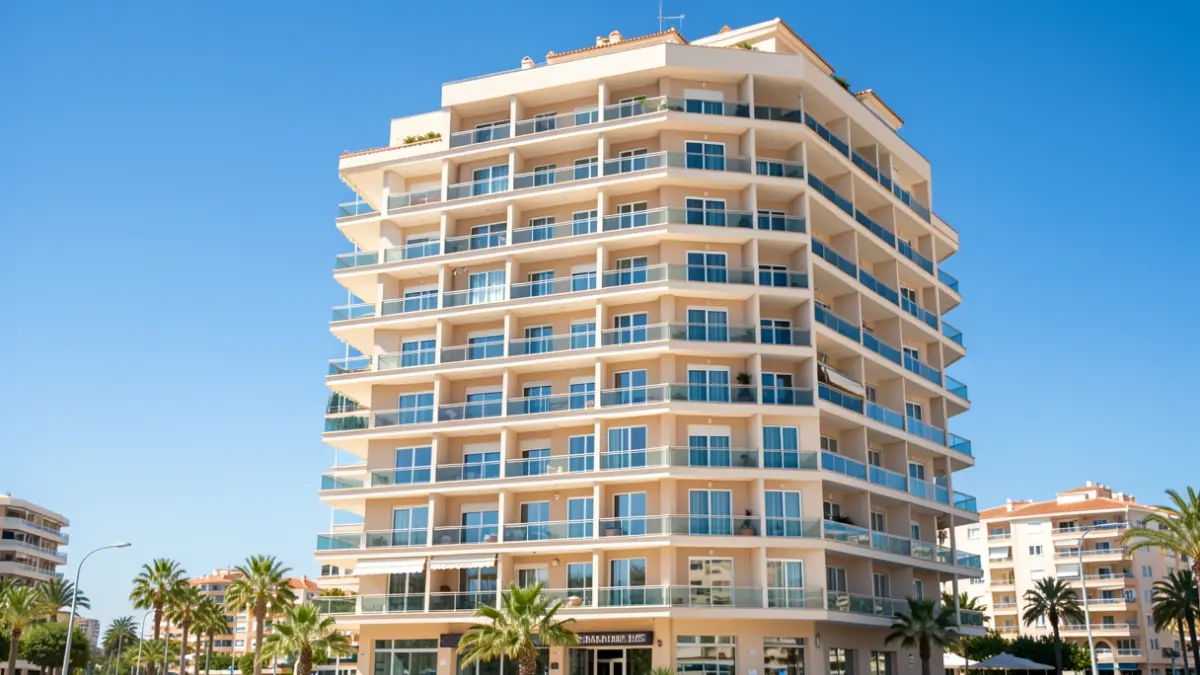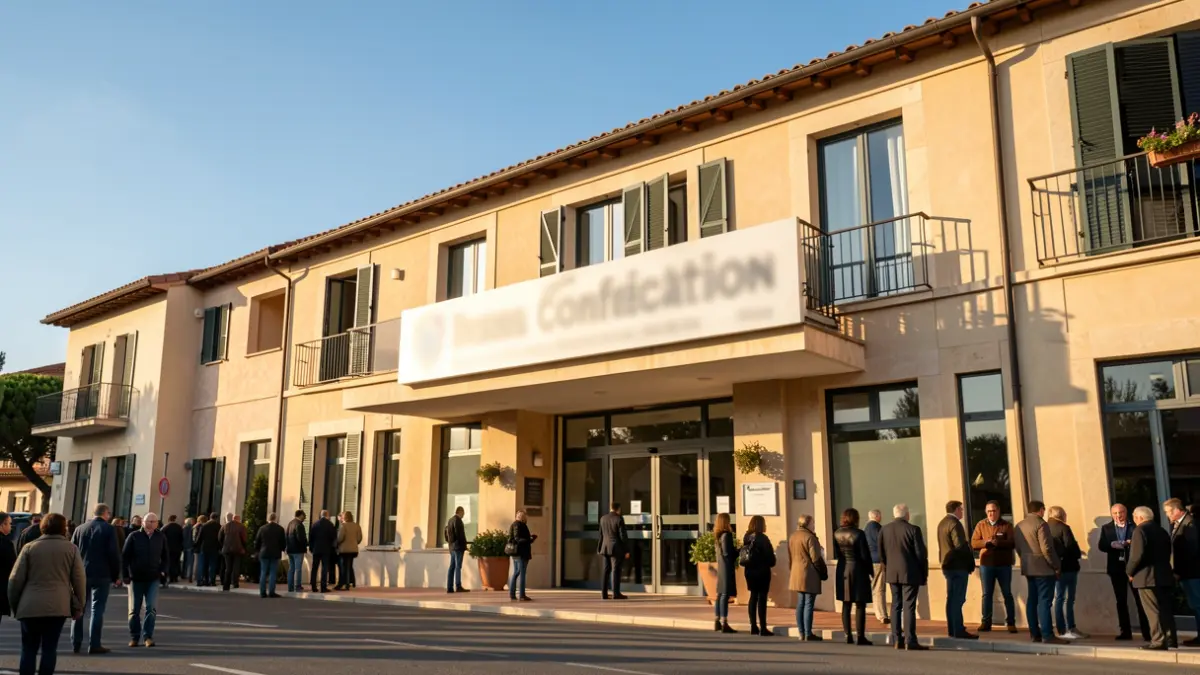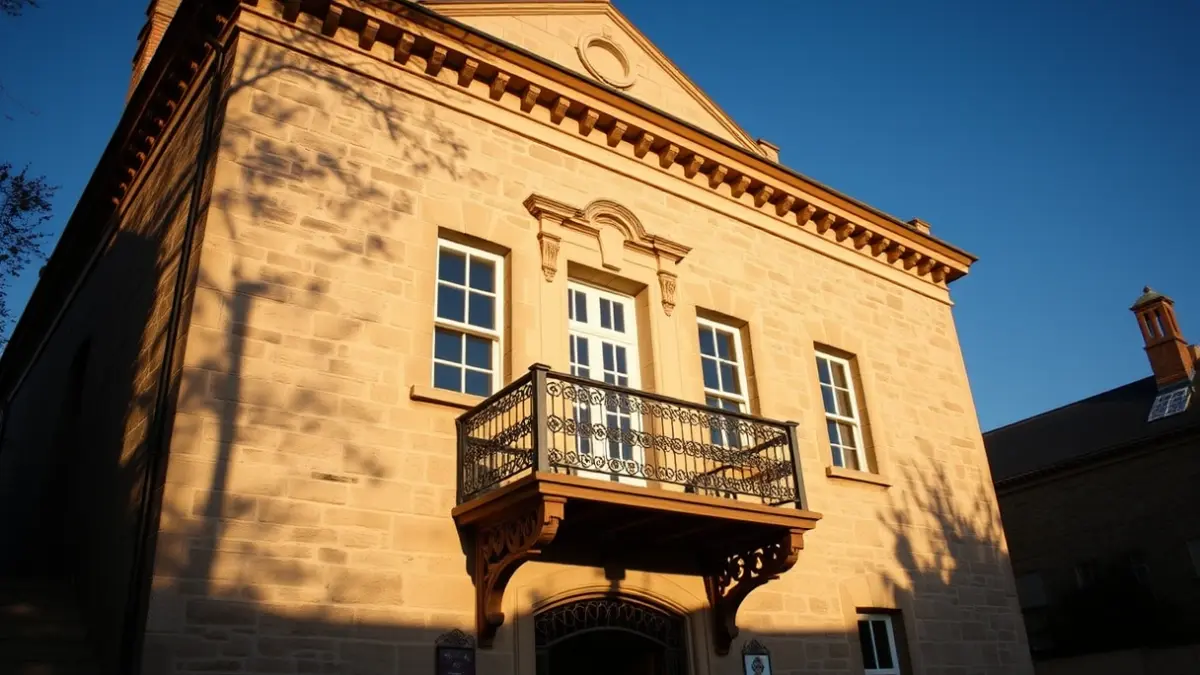
In an architectural landscape dominated by big names and iconic city buildings, a slower-paced line of work connected to the rural environment is emerging. This philosophy, which seeks to defend and recover territorial heritage and identity, is followed by Projecte Filigranna, an architecture, interior design, and design studio based in Cinctorres.
This year, the brand celebrates its tenth anniversary, although its founders, Lledó Molinos and Francisco Campillo, began working on projects in 2013. Their arrival in Cinctorres was the result of an unexpected circumstance: "We lost our jobs in Valencia, and we thought of spending some time here, in Cinctorres, my family's town, before going abroad," comments Lledó. However, the emergence of local jobs led them to settle permanently in the town.
“"The decision was a complete success. They started commissioning us, and word-of-mouth enabled the consolidation of the project."
The philosophy of Projecte Filigranna is based on valuing the heritage and culture of the Els Ports region and neighboring areas such as Maestrazgo or the province of Teruel. Their projects respect local construction traditions and sustainability, using natural materials such as wood, stone, lime, or terracotta.
Much of their work focuses on the rehabilitation of homes in inland towns for private clients, a sector that has experienced a boom after the pandemic. They have also participated in the restoration of public heritage, such as the recovery of the retaining wall at the main entrance of the Roman city of Lesera in Forcall, the restoration of the Castle of Olocau del Rey, and the restoration of the Neolithic House of the Valltorta Museum. They specialize in the cataloging and restoration of dry stone heritage.
Currently, Projecte Filigranna is working on the new headquarters of the Cinctorres Town Hall and on the design of an art studio and home from an old agricultural warehouse in the same town. They have already completed the work on the new Veramundi building in Santa Clara Square in Castellón de la Plana.
The Els Ports firm advocates for decentralized, rooted, and conscious architecture, made from the rural world and inspired by the territory. The architects highlight that the population of Cinctorres has increased by about 50 people since their arrival, and that the diversity of trades in the rural environment allows for a more balanced life.