The initiative, presented by the popular group, moved forward after incorporating an amendment from the socialist group, which proposes evaluating controlled access measures through specific authorizations for residents, people with reduced mobility, and public services.
The approved motion includes analyzing the replacement of fixed elements with intelligent systems that allow more fluid and regulated access to the LEZ and pedestrian zones. It also seeks to organize loading and unloading areas prioritizing pedestrians, study parking alternatives, and reinforce public transport by expanding lines and increasing frequencies.
“"The City Council is working on mobility planning according to criteria of general interest, public health, and environmental sustainability, promoting sustainable transport alternatives and considering special regimes for vulnerable groups, residents, people with reduced mobility, and public services, with the aim of advancing towards a more efficient and balanced mobility model in the use of public space."
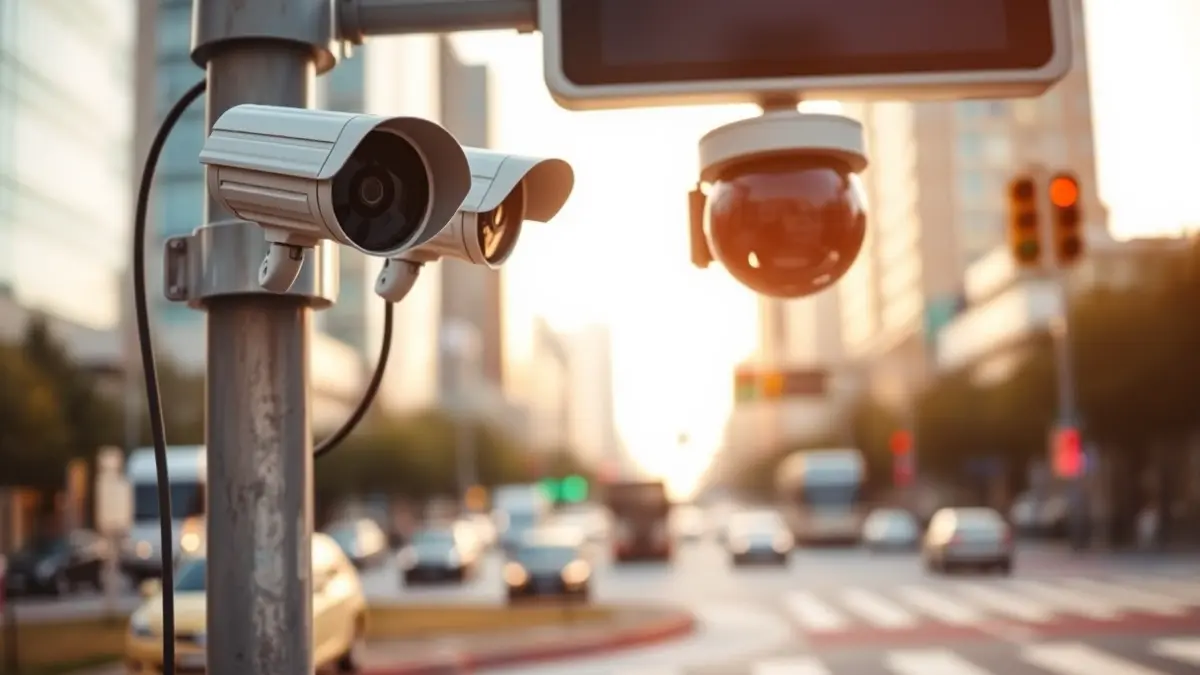
The Mobility Councilor noted that traffic surveillance cameras are already being installed, and an automatic control system is being implemented in these areas. This system will include a registry of authorized vehicles based on their activity, service provided, resident status, universal accessibility needs, or environmental badge.
Currently, phases 3 and 4 of the Sustainable Urban Mobility Plan (PMUS) are being drafted, in response to the need to transform the mobility model under criteria of sustainability, efficiency, and accessibility. Key objectives include reinforcing the role of pedestrians, reorganizing public space for parking, regulating loading and unloading, promoting new technologies applied to mobility, and moving towards a more inclusive and accessible city for the entire population.