Sagunto's Holy Week Ends Amid Controversy Over Women's Ban
The confraternity's decision to maintain female exclusion has sparked national and international debate, jeopardizing its 'national interest festival' title.
By Pau Ferrer Castelló
••3 min read
IA
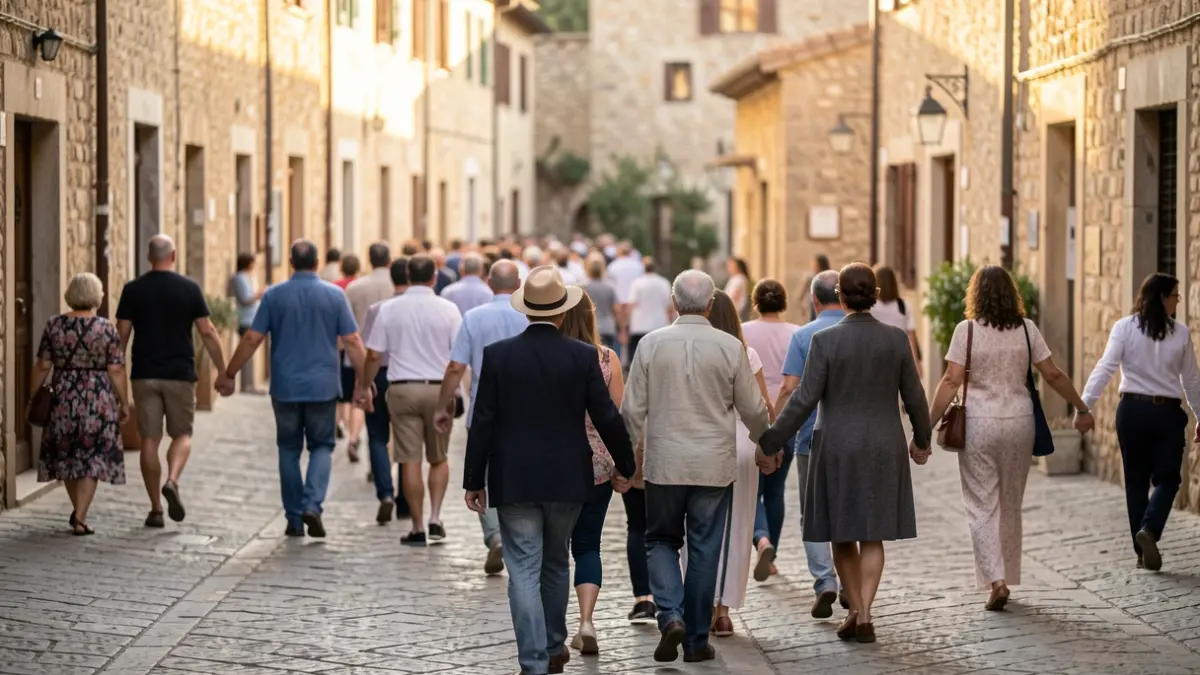
Generic image of a cobblestone street in a Mediterranean city during a procession.
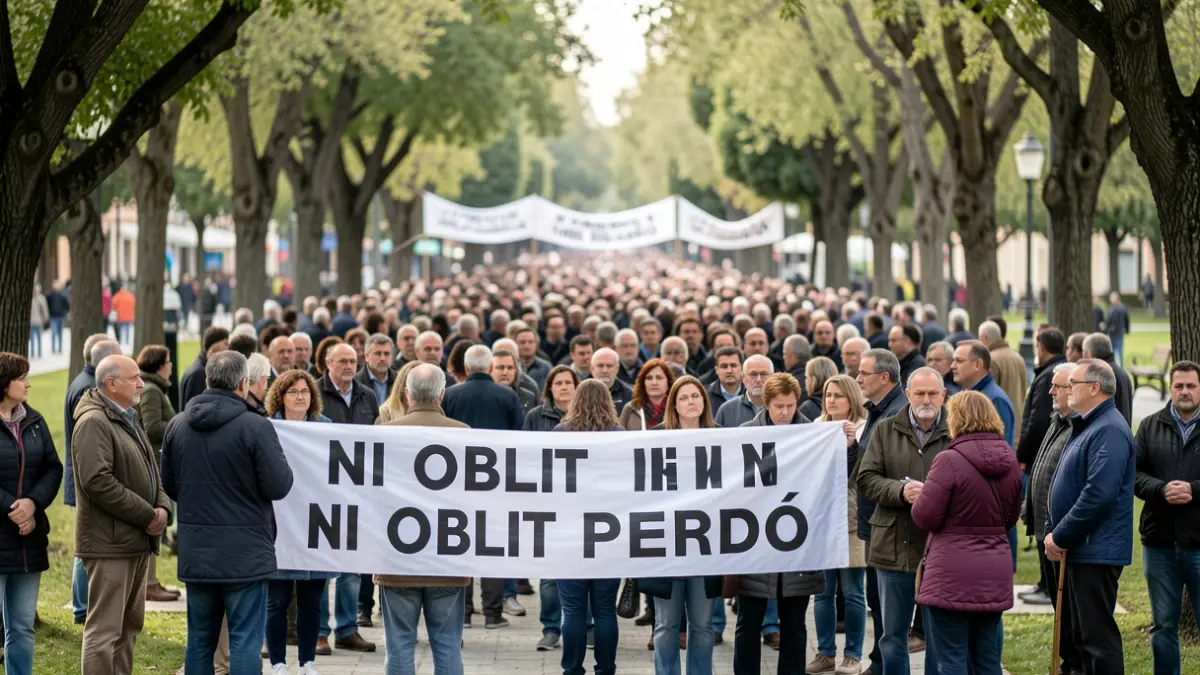
Sagunto's Holy Week has concluded with a large attendance, despite the controversy generated by the confraternity's decision to maintain the ban on women's participation, a fact that has led to the intervention of the Spanish Government and jeopardizes its recognition as a festival of national interest.
The celebration, which ended with a fireworks display by the Alto Palancia de Altura pyrotechnics, has been overshadowed by the controversial decision of the confraternity, which has organized the event for over five centuries, not to admit women. This measure, ratified by 267 votes against 114 in favor, has transcended the local and regional spheres, placing Sagunto at the center of national and international news.
The controversy has prompted two actions by the Spanish Government. On one hand, the Ministry of Industry and Tourism has reactivated the file to review the concession of the 'national interest festival' title, following a complaint. On the other hand, the Ministry of Equality has reported the discrimination to the Prosecutor's Office, highlighting the seriousness of the situation.
“
"The balance is very positive. We have experienced a Holy Week with very high participation, with many attendees at the events and, above all, with an atmosphere of respect, contemplation, and involvement from many people. It is true that we came from days with a lot of media focus on a specific issue, but I believe the celebration itself has demonstrated something important: that Sagunto's Holy Week has a very solid foundation and is far above any specific circumstance."
Despite the intense debate in media and social networks, attendance at the events has been notable, as highlighted by the clavario of the year, Gonzalo Escrig. The Sagunto city council has maintained its support for the festival, although the mayor, Darío Moreno, has advocated for “taking a step towards equality”, while deputy mayor Roberto Rovira (EU) chose not to sign invoices related to the festival, which were ultimately assumed by the mayor's office.
The Inclusive Holy Week collective, which has been advocating for years for the modification of the confraternity's statutes to allow the entry of “baptized persons” regardless of gender, has gained unprecedented visibility. They have been received by the Minister of Equality, Ana Redondo, and the government delegate in the Valencian Community, Pilar Bernabé, and have received expressions of solidarity from all over Spain.
“
"I have experienced the events, the processions, and I want to highlight the support I felt in the streets. The number of people who stopped us to encourage us to continue. We have also been contacted from other parts of Spain, both to support us and to say that they live in situations similar to ours. All the media dimension and visibility we have had has served to put equality on the table, not only in Sagunto but in other corners of Spain that are experiencing the same situation."
The spokesperson for Inclusive Holy Week, Blanca Ribelles, expressed her gratitude for the support received and assured that the collective will continue its fight for equality and full access for women to the confraternity, with the support of the ministry.