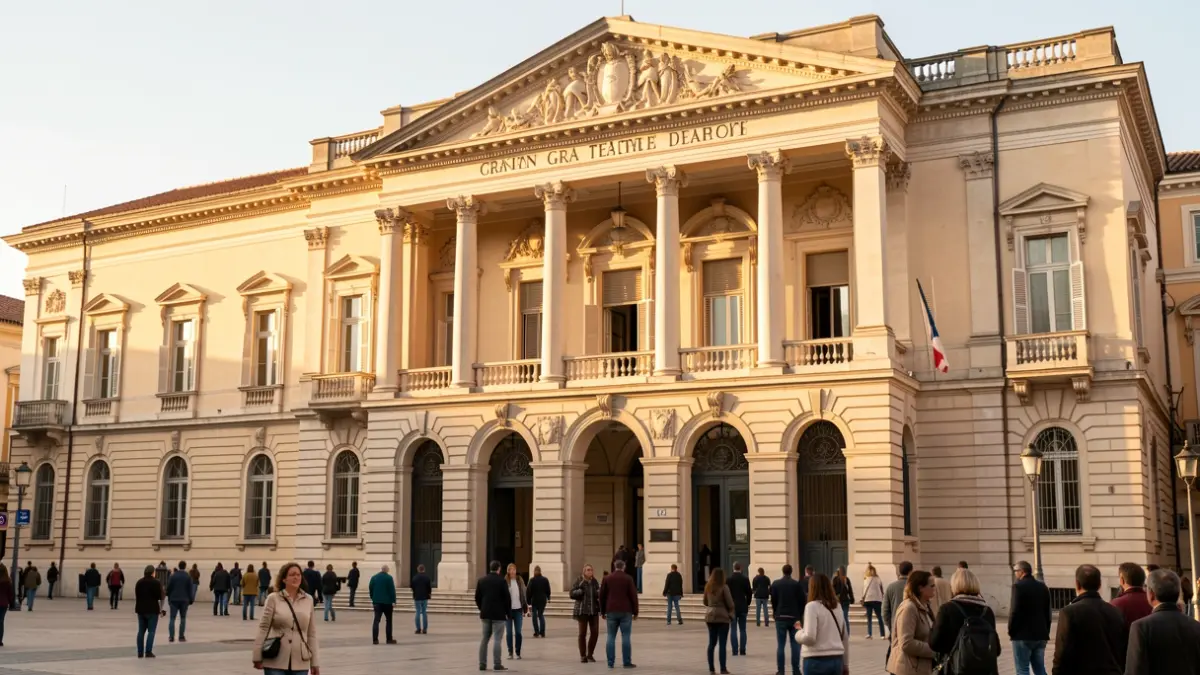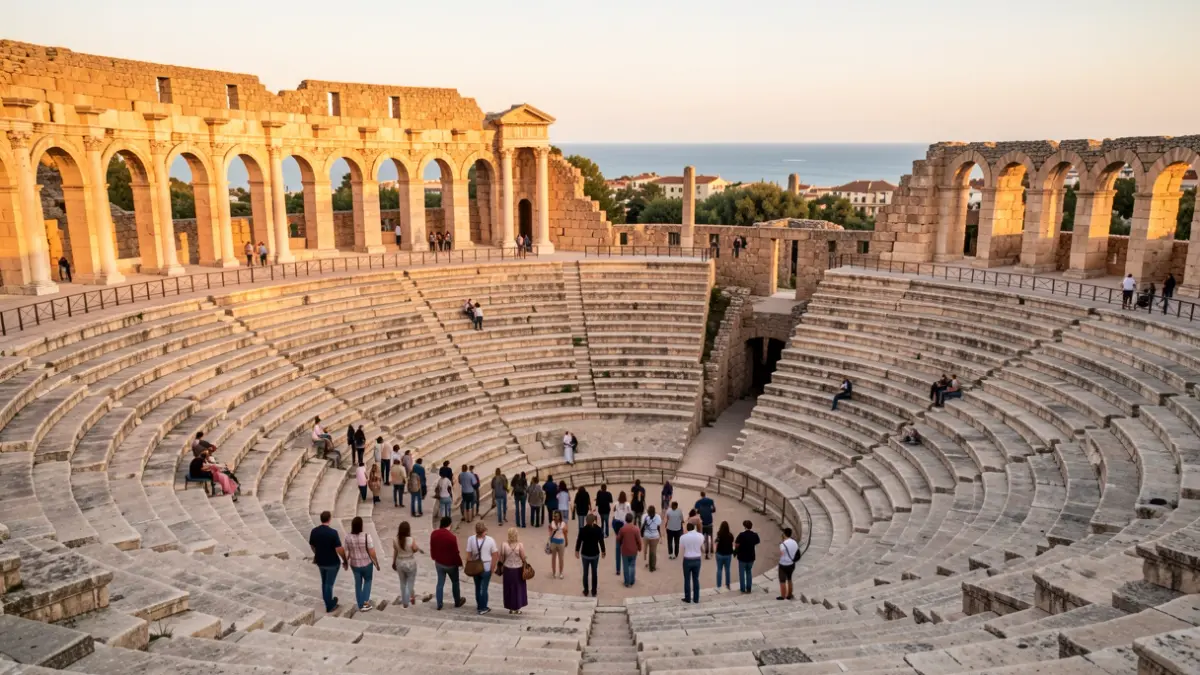
The cultural programming by the People's Party from the Valencian Government has sparked controversy due to the reduced presence of Valencian in public performance spaces. The 'Sagunt a Escena' festival, which uses the Roman Theatre of Sagunto as its main stage, exemplifies this trend.
Out of the eight main productions scheduled at the Roman Theatre, six are in Spanish and only two are in Valencian. This means 75% of the central programming is in Spanish, while the native language is relegated to the remaining 25%. This political decision sends a clear message: Valencian is not considered the language for large-scale productions or prestigious works.
The cultural policy of the People's Party appears to tolerate Valencian in minor spaces but does not promote it or place it at the center. This subtle strategy, which relies on omissions rather than prohibitions, leaves Valencian in a secondary, almost testimonial role, lacking the strength to support large-scale dramaturgy or staging.
The potential audience figures exacerbate the inequality. The Roman Theatre performances attract the majority of spectators and media attention. Consequently, 75% of the festival's visibility is in Spanish, reducing Valencian to a symbolic presence.
The festival also includes the 'Off Romà', featuring 11 shows. Although it hosts more Valencian companies, many performances are circus or dance, with no spoken language. Of those with text, most are small-scale. Overall, Valencian accounts for less than 20% of the spoken minutes on stage.
Valencian is primarily found in the 'Off Romà', in streets and alternative spaces, often without text or only in the title. This creates a cultural hierarchy where Spanish occupies the center and Valencian the 'friendly' periphery, a situation resulting from a policy that displaces the native language.
The Roman Theatre, a space rich in meaning, reflects a Valencian culture that does not necessarily speak Valencian. The plurality defended by the People's Party cannot be an excuse to invisibilize the native language or reduce it to an ornamental role.
This trend of displacing Valencian is not limited to Sagunto but is observed in other cultural and institutional spheres. When a government does not prioritize its native language, it gradually fades through omissions, not prohibitions.
Denouncing what happens at the Roman Theatre is crucial, as it concerns not just programming but a cultural model, linguistic dignity, and political responsibility. The People's Party defends Valencian culture, but actions demonstrate they consider it dispensable or secondary if it speaks too much Valencian.
A language that does not tread its main stage loses symbolic space and is pushed to the periphery. A language that does not occupy the center is literally left voiceless.