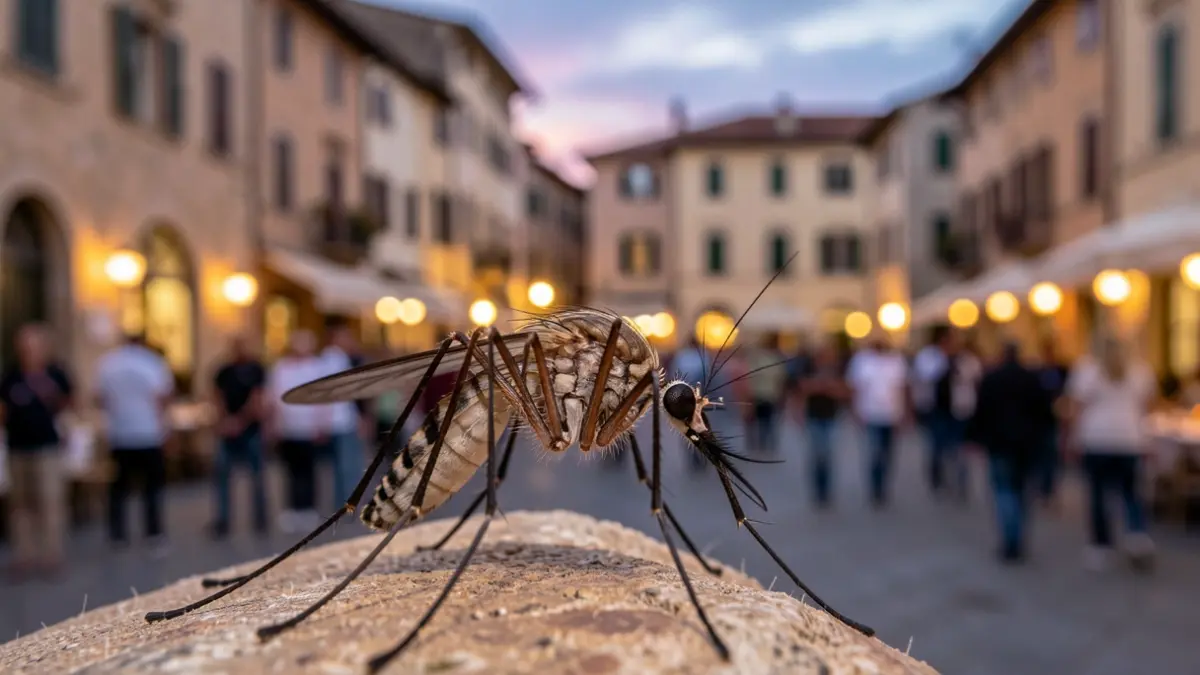
The campaign, which will extend until early December, involves the release of over 700,000 sterile male mosquitoes in key areas such as Triángulo Umbral, Cronista Chabret square, and l'Aljub square. According to information from the city council, releases will be repeated throughout 2026, with a frequency of two or three times per week, covering approximately 7.72 hectares weekly with a density of 2,400 sterile males per hectare.
To monitor the treatment's effectiveness, traps have been installed and will remain operational until the end of the year. SIT involves sterilizing male mosquitoes through irradiation and then releasing them. The goal is for them to mate with wild females, preventing the females from producing viable eggs. It is important to note that male mosquitoes do not bite, and this technique only affects the proliferation of the tiger mosquito, not other species.
Municipal sources indicate that the Valencian Community has already seen positive results with this technique in towns like Polinyà de Xúquer and Riola. In 2025, an average reduction in egg-laying of around 65% was achieved, exceeding 75% in certain periods, thus preventing the appearance of two out of every three biting females.
The Councilor for Health of the Sagunto City Council, Javier Timón, expressed his satisfaction with the continuation of this plan, now in its third year. Timón highlighted the importance of municipal collaboration in pest control and emphasized that the program can improve citizen well-being, expressing confidence that it will become an effective and sustainable tool against the tiger mosquito.