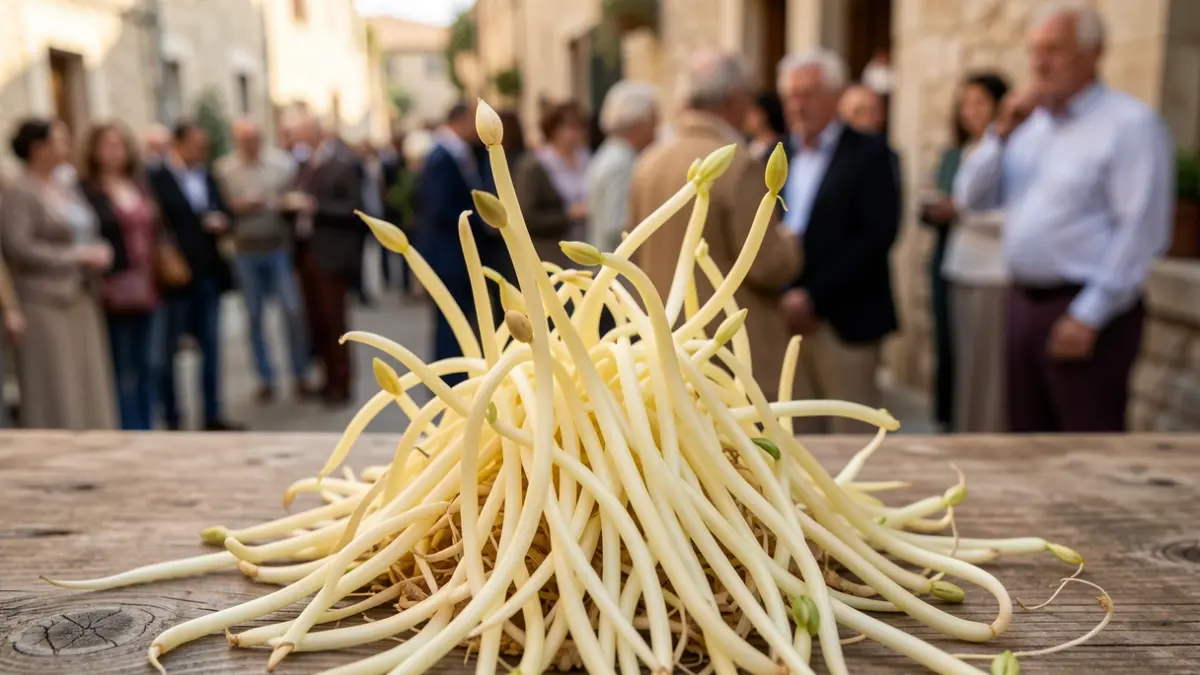
The mayos are plants that, by growing without receiving sunlight and being watered exclusively at night, acquire a very characteristic whitish and yellowish tone. Once they reach the appropriate size, they are carefully combed to give them the appearance of a vegetable wig, an image that has been part of the rural memory of Elche for decades.
The technique, which recalls the making of the White Palm, was an ingenious and humble solution to decorate temples during Communion celebrations, when access to flowers was not as easy as it is today. This domestic and secret botany serves to dress altars with a beauty born from shadow and patience.
The annual exhibition, organized by the Association of Neighbors of the Puçol district and the museum itself, allows the public to learn about this practice. The specimens will be on display during the center's opening hours, from 11 a.m. to 2 p.m., and can also be visited during the first days of next week.
Beyond the decorative aspect, this exhibition highlights the intangible heritage of the Camp d'Elx. It is a way of transmitting a way of life where domestic ingenuity, nature, and festive celebration come together to keep the local identity alive.