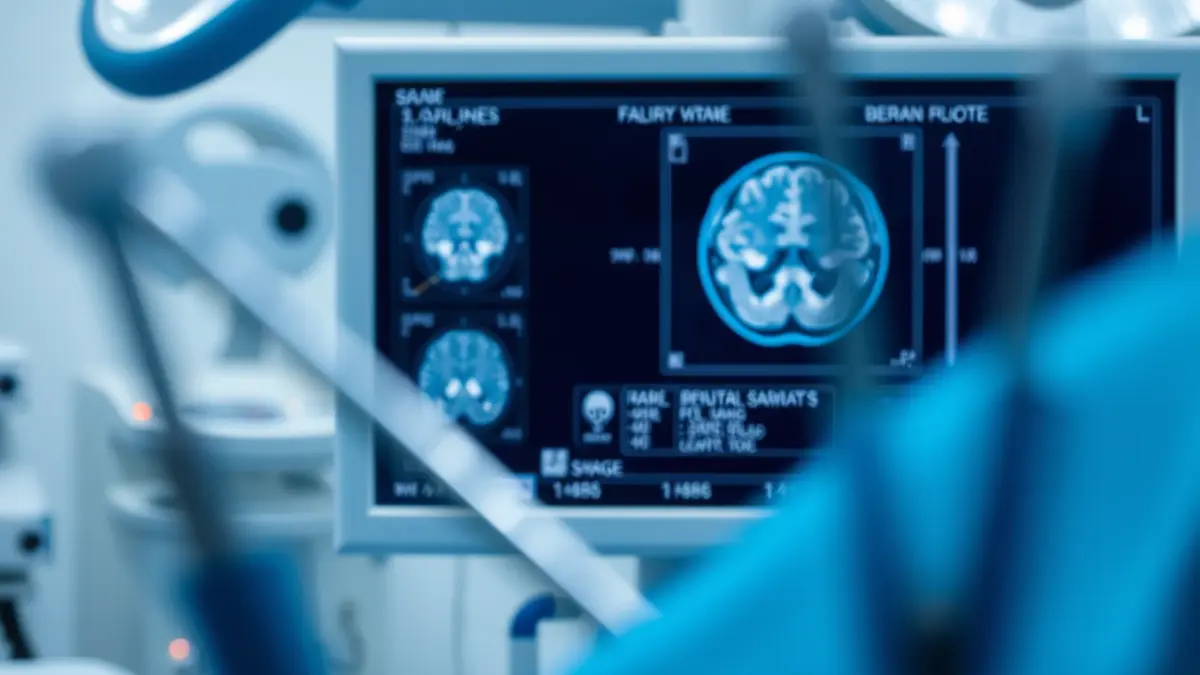
This surgical procedure, which involves placing a device to stimulate specific brain areas, helps reduce manifestations such as tremor, rigidity, and slowness of movement. The primary goal is to enhance patients' quality of life and autonomy, although it requires a very precise selection of candidates.
“"This type of treatment allows us to act on circuits, pathologies, and improve symptoms such as tremor, rigidity, or slowness of movement."
The hospital's Movement Disorders Unit, integrating professionals from Neurology and Neurosurgery, ensures coordinated care. Currently, the center treats approximately 900 Parkinson's patients and diagnoses between 20 and 30 new cases annually. The technique is also indicated for patients with essential tremor and dystonia.
In addition to surgery, the hospital offers all advanced therapies for Parkinson's treatment, including continuous drug infusion systems. The Neurology department participates in national and international clinical trials, contributing to research and the development of new therapies.
To raise awareness about the disease and provide a meeting space, the hospital has organized an open day, I am not Parkinson's, which will take place on April 28 in the center's auditorium. The initiative will bring together healthcare professionals, patients, and families to inform, answer questions, and foster support, with the participation of the Parkinson Elche association.