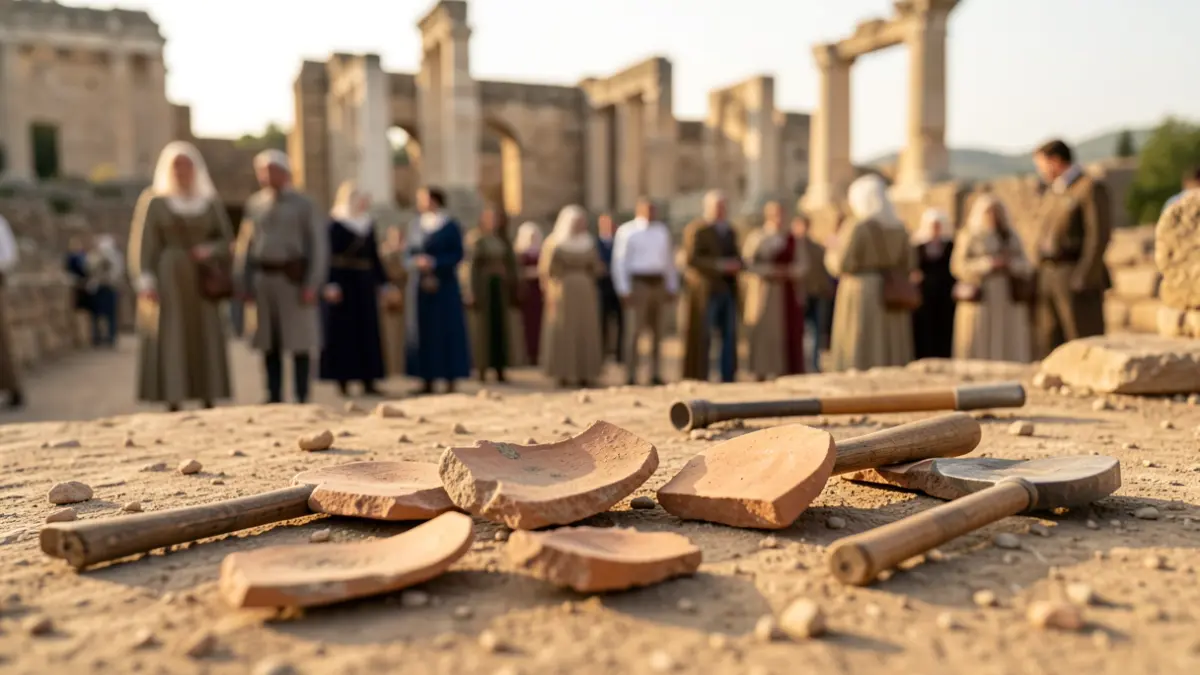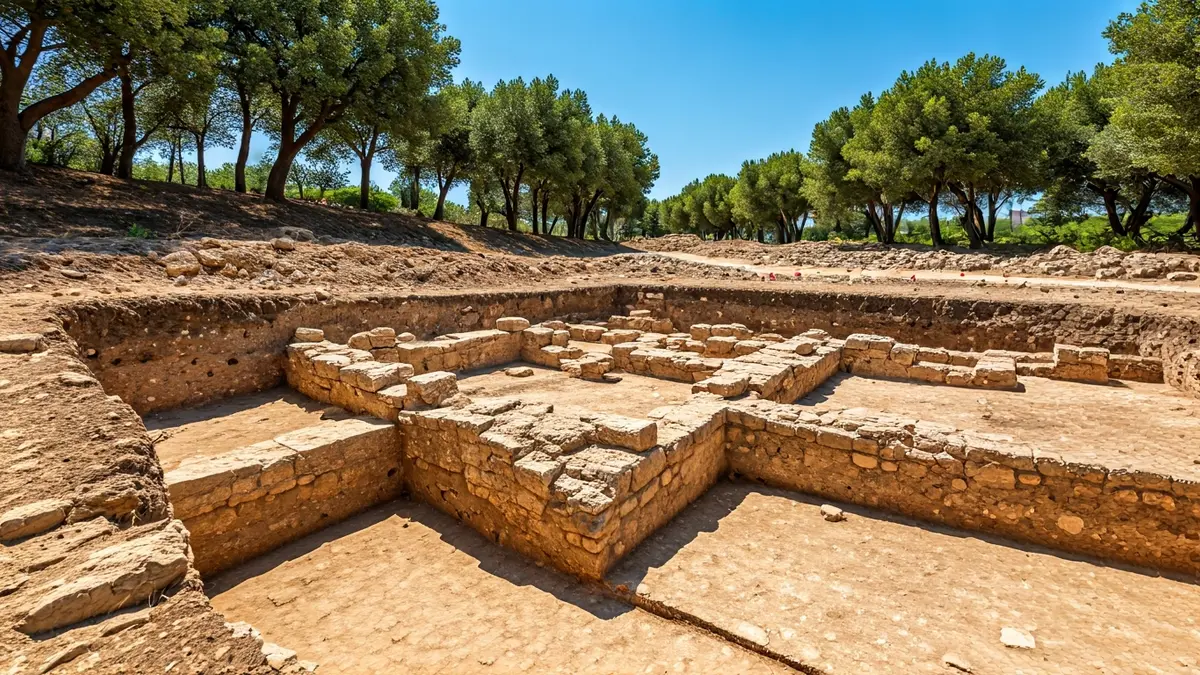
The project, which has deepened understanding of a settlement dating from the 9th to the 2nd century BC, is crucial for studying the Late Bronze Age, the Orientalizing period, and the Iberianization process in the southeastern Iberian Peninsula. This initiative marks a decisive shift from scientific research to public conservation and dissemination.
During the latest phase of excavations, significant discoveries have been made, particularly those related to the Phoenician presence in the area. This line of research had already yielded notable results in previous campaigns, such as the identification of fragments of Phoenician amphorae dated between the late 9th and early 8th centuries BC.
“"We are at a stage where virtually all the scientific potential of the site has been extracted. Continuing to excavate would provide very similar information to that already obtained, so now the next step is its conservation, signage, and opening to the public."
The Councillor for Historical Heritage, Matías Ruiz, and the Mayor of Orihuela, Pepe Vegara, have overseen the work. The campaign's results will be presented soon in a technical paper by Alberto J. Lorrio, Professor of Prehistory at the University of Alicante and excavation director, at the former Caja de Ahorros de Monserrate.
The presentation will also detail the municipal proposal for the site's musealization, which includes the installation of informative panels, the adaptation of a wooden boardwalk access path, and the demarcation of safe itineraries. This approach seeks a modest and environmentally respectful intervention, avoiding large infrastructures and adapting to the site's characteristics to comply with Cultural Interest Asset protection regulations.
Work at Los Saladares resumed in 2020, after decades without systematic interventions since the campaigns carried out in the 1970s. All recovered material will be temporarily stored in the archaeological warehouse until the completion of the Orihuela Regional Archaeological Museum, with a planned budget of 1.5 million euros, where a dedicated space for the site will be created.