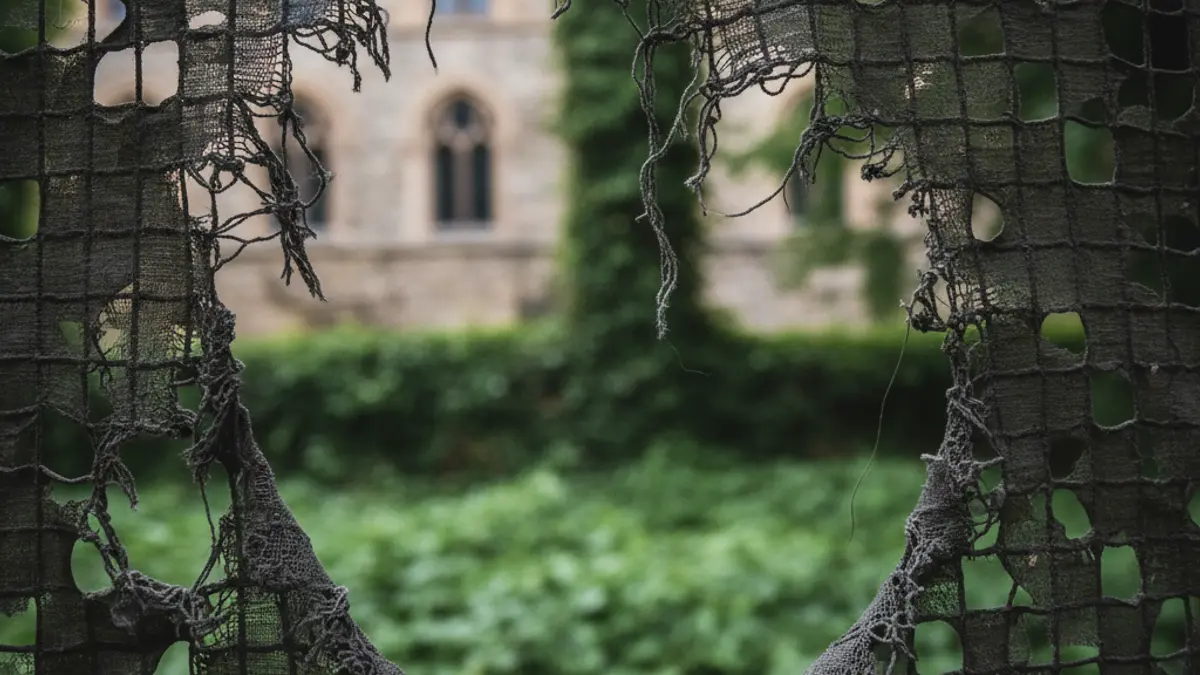
The netting, which covered the hangar roofs, was placed to prevent these birds from nesting. Swifts have returned to the same breeding site every spring since 2011. However, the device had led to the death of dozens of trapped specimens, sparking a strong reaction on social media.
“"Now we will see how the problem of sanitation can be solved due to the accumulation of bird droppings, which requires periodic cleaning of material, vehicles, uniforms, and other areas of the regional park."
The initial justification for installing the net was to avoid dirt from droppings, without considering that environmental legislation expressly prohibits the destruction of wild bird nesting areas. Agents from the Nature Protection Service of the Civil Guard (Seprona) visited the facilities and prepared a report on the situation.
Proposed alternatives include acting outside the nesting period, starting in October, by covering openings or trying to encourage birds to nest outdoors. Immediately, trays or protective measures can be installed to prevent the accumulation of droppings.
The protection of swifts is not merely a recommendation but a legal mandate. Law 42/2007, of December 13, on Natural Heritage and Biodiversity, and Directive 2009/147/CE, protect all wild birds. The Spanish Penal Code criminalizes the destruction of nests of protected species.
Swifts are migratory birds that arrive in the Iberian Peninsula between late April and early May, with their breeding season extending from May to August. They are significant allies in the fight against mosquitoes, as a single swift can consume between 8,000 and 10,000 insects daily, according to data from SEO/BirdLife and the CSIC.