The mayor of Gandia, José Manuel Prieto, has hailed this step as a key milestone for the municipality's future. Prieto emphasized that the Government's authorization allows the final phase of the project to begin, highlighting it as one of the most significant investments in recent years, not only for its economic impact but also for its strategic nature.
“"This is good news for Gandia. With funding secured and the authorization from the Council of Ministers, the CSIC can now begin the tender process for the works."
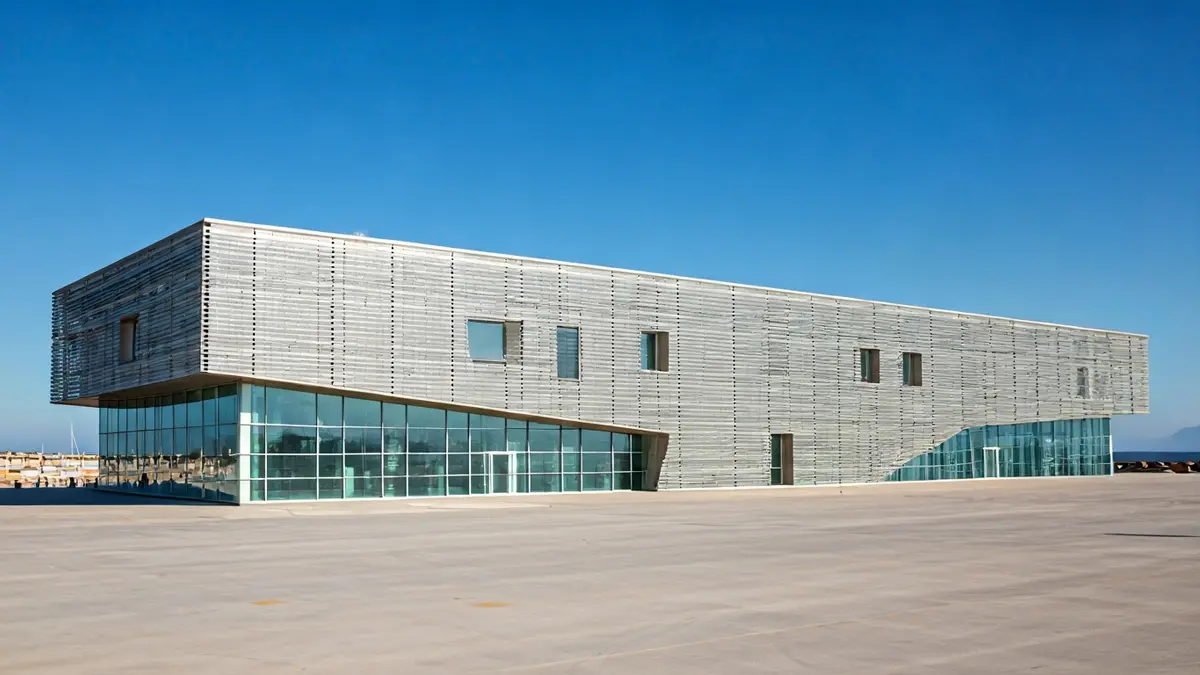
The project is part of the transformation of the local productive model, the creation of qualified employment, and the attraction of technology companies linked to the marine sector and other innovative areas. The new building, with over 5,500 square meters of constructed area, will focus on multidisciplinary research of the marine environment, ecosystems, and living resources, as well as advanced technological development applied to ocean observation and analysis.
The center will strengthen the activities of the Joint Unit in Technology for Marine Studies, a collaboration established over 13 years ago between the CSIC, the Spanish Institute of Oceanography, and the Universitat Politècnica de València, based at the Gandia campus. Its main infrastructures will include marine robotics laboratories, artificial intelligence systems for marine environment analysis, and testing areas for underwater vehicles and smart sensors.
The Minister of Science, Innovation and Universities, Diana Morant, stressed that this is an important step in the fight against the climate emergency and ocean protection. She highlighted that the future TECMAR will be a “benchmark in Spain and Europe” and will allow “observing, understanding, and anticipating the effects of climate change on our seas,” with the Mediterranean playing a key role in studying phenomena like biodiversity loss and marine pollution.
The project anticipates creating around 50 direct jobs for research staff. According to the Ministry's plan, the tender process could begin early next year, with an execution period of about six months. Construction would then last approximately 18 months, meaning the center could be operational between 2027 and 2028.
However, the spokesperson for the Popular Municipal Group, Víctor Soler, has denounced the lack of progress on the project, recalling that the minister had stated the center would be operational by 2025. Soler criticized that “we are already in 2026 and the only thing that has advanced is the number of times it has been announced. Not even the first stone has been laid,” demanding institutional accountability.