The Cullera council has begun the progressive replacement of old units with over 600 new containers for all waste fractions: general waste, packaging, paper and cardboard, and organic. This action is part of the implementation of a new urban waste management model aimed at improving efficiency, increasing recycling rates, and moving towards a cleaner, more accessible, and sustainable city.
Installation work has commenced on Caminàs street, where the first general waste bins and a complete recycling island have already been placed. The rollout will extend over the coming weeks until the end of June throughout the urban area, replacing approximately 150 containers per fraction.
The mayor of Cullera, Jordi Mayor, highlighted that “Cullera continues to take firm steps towards a more modern, sustainable city model adapted to citizens' needs. The container renovation represents a significant improvement in both service quality and the municipality's urban image”.
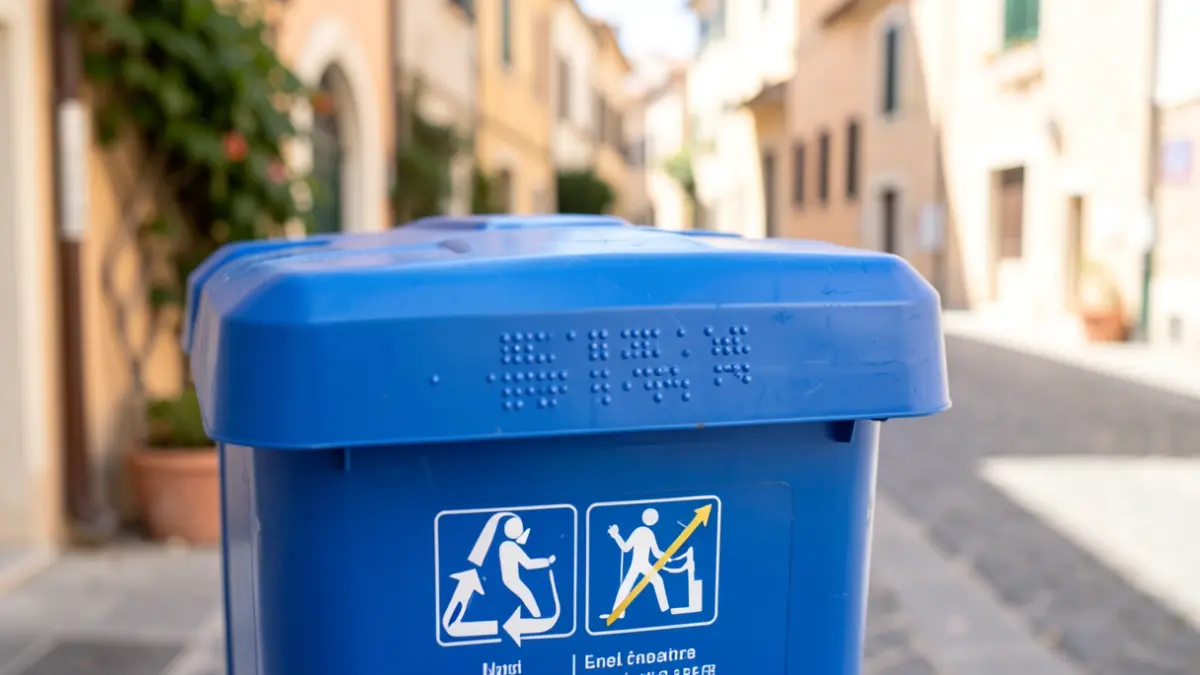
These new side-loading containers incorporate ecodesign and circular economy principles, along with functional improvements. The units for general waste, packaging, and paper-carton have a capacity of 3,000 liters, while the organic waste containers hold 2,000 liters. Key features include a polished interior for better hygiene, accessible opening systems, dampened lids to reduce noise, and safety mechanisms. Additionally, they feature raised Braille and pictogram identification, enhancing service accessibility.
This initiative complements other measures promoted by the council, such as the implementation of mobile platforms in the historic center, specific services in hard-to-access areas, and the renovation of underground containers.