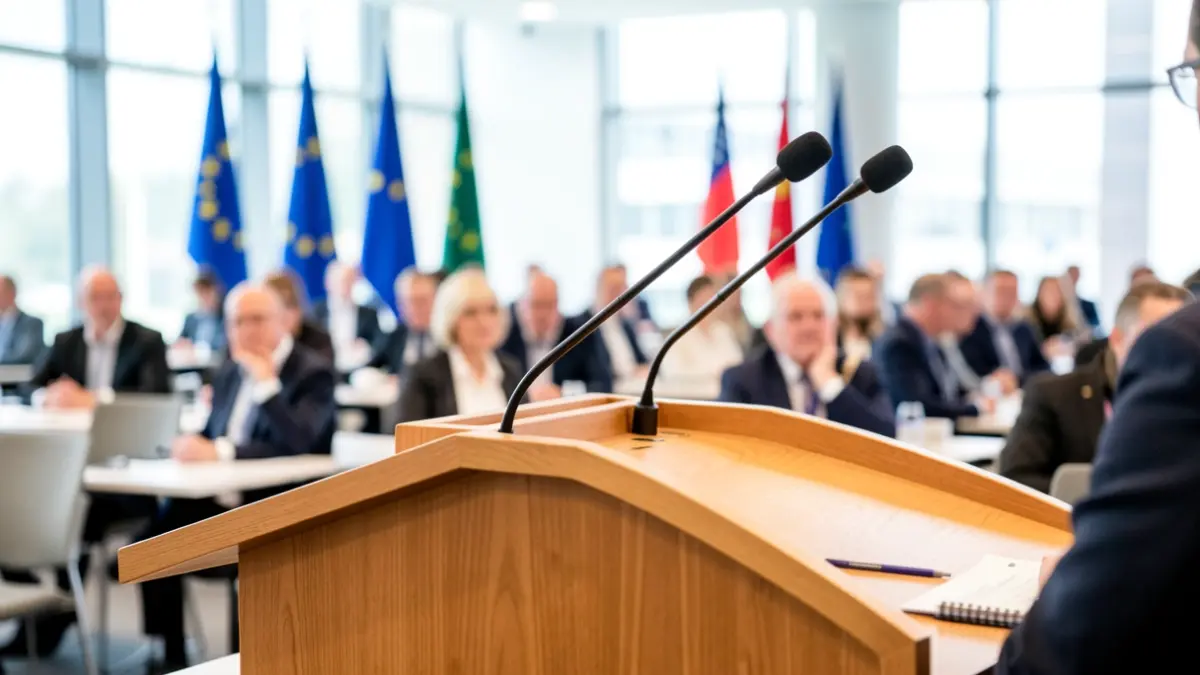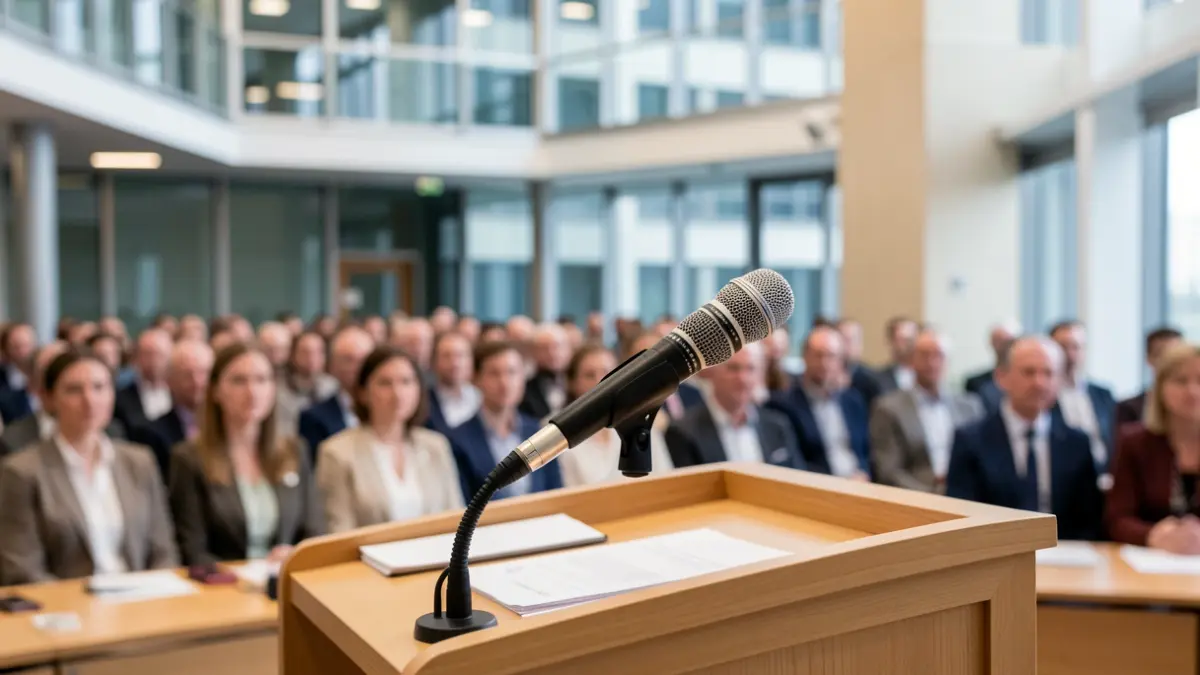
The meeting, organized by the Spanish Federation of Municipalities and Provinces and the Pluralism and Coexistence Foundation, served to analyze municipal experiences in managing religious plurality. During the session, the model developed in Castelló, which is structured through the city's Interreligious Board, was presented.
As explained during the presentation, religious diversity is a daily reality that requires actions to foster coexistence. The Interreligious Board, formally established in 2012, is the result of a work process initiated years ago to integrate different faith communities into municipal life.
“"The constitution of the Interreligious Board of Castelló was not a starting point, it was an arrival point. It was the institutional culmination of work that had been going on since 2006."
Currently, this dialogue body integrates twenty-four religious entities of various denominations, including Catholics, Orthodox, Evangelical communities, Buddhists, and Muslims, among others. The main objectives of this initiative are to leverage the participatory potential of the communities, prevent conflicts through mutual recognition, and hold the entities accountable in building an intercultural space.