The project, titled Deconstrucció d'allò inabastable. Enfangar-se per transformar (Deconstruction of the Unattainable. Getting Muddy to Transform), has received support from the Ministry of Culture and has been implemented for the first time in the Ribera region in the municipality of Algemesí, specifically at the Espai d'Art Municipal in the Casino Lliberal. This initiative seeks to give a second life to the sediments that covered the region after the flood on October 29, 2024, turning them into raw material for artistic and agricultural creation.
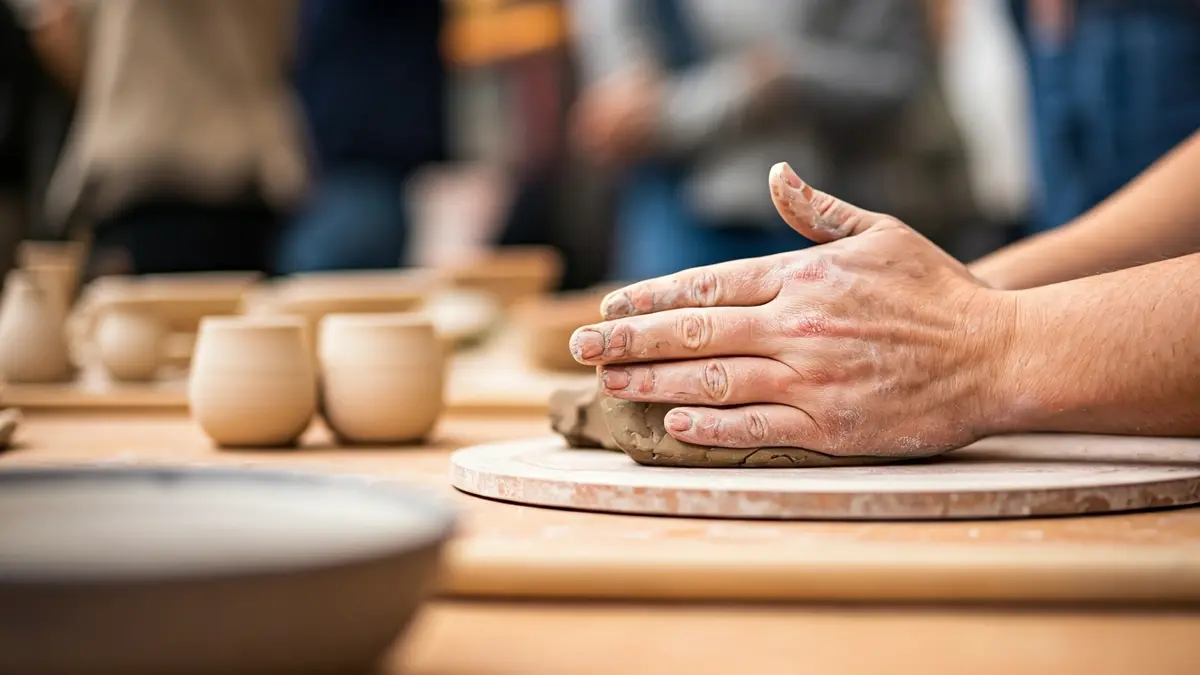
A dozen participants of various ages have immersed themselves in the process, which involves cleaning, sifting, and purifying the mud to obtain clay suitable for ceramics. This clay is used to craft a large set of pottery by hand. Rafael Tormo, the artist from Beneixida who coordinates the proposal, emphasizes that the activity goes beyond manual labor, inviting reflection on the causes of the flood and land management.
“"Getting muddy doesn't mean getting dirty, but getting involved. It's a moment of healing and self-awareness that we are people of the riverbank."
In parallel, another branch of the project focuses on transforming the mud into regenerated organic soil, suitable for cultivation. This soil has already been used in an orchard between Picanya and Albal, in collaboration with the Fundación Del Camp a la Taula, to produce vegetables and fruits. The goal is for what once devastated the orchards to now generate food again.
The project will culminate in a community celebration where the food grown with the regenerated soil will be served on the pottery created by the participants. This final event symbolizes reconciliation with the land and the transformation of devastation into support and celebration. The entire experience will be documented in a publication that will compile the workshops, conversations, and aesthetic and political reflections on the catastrophe.
The firing fixes the memory of the mud: what was devastation transforms into support. The mud, once destructive, will hold food and celebration.