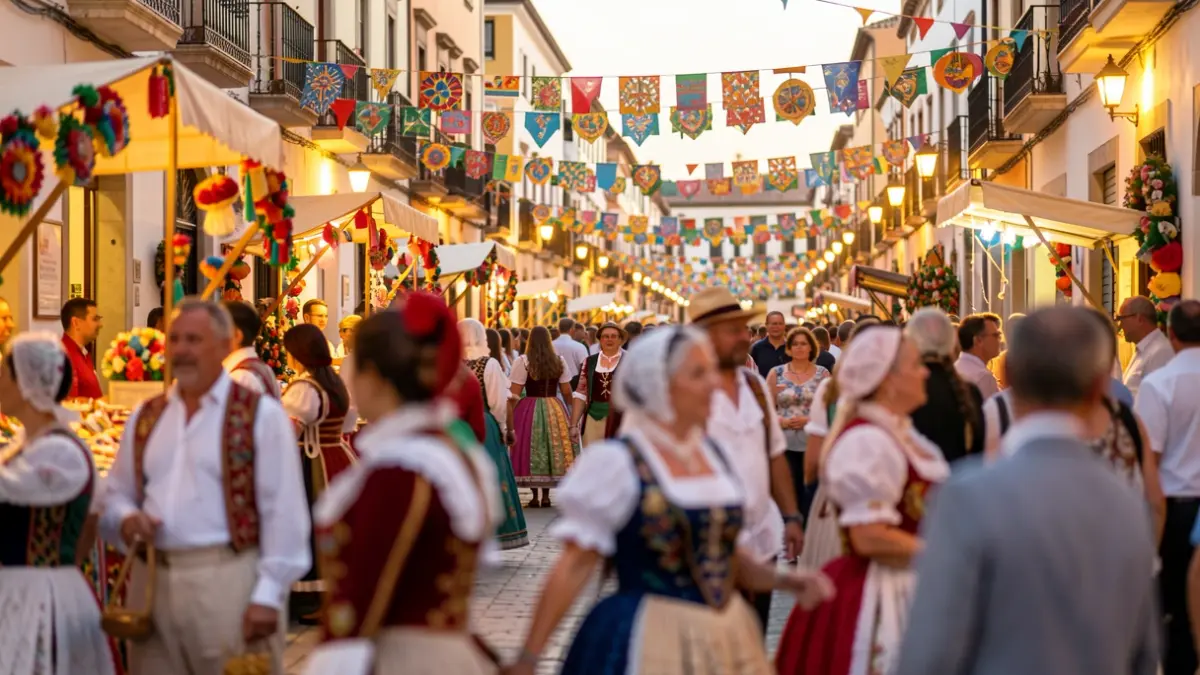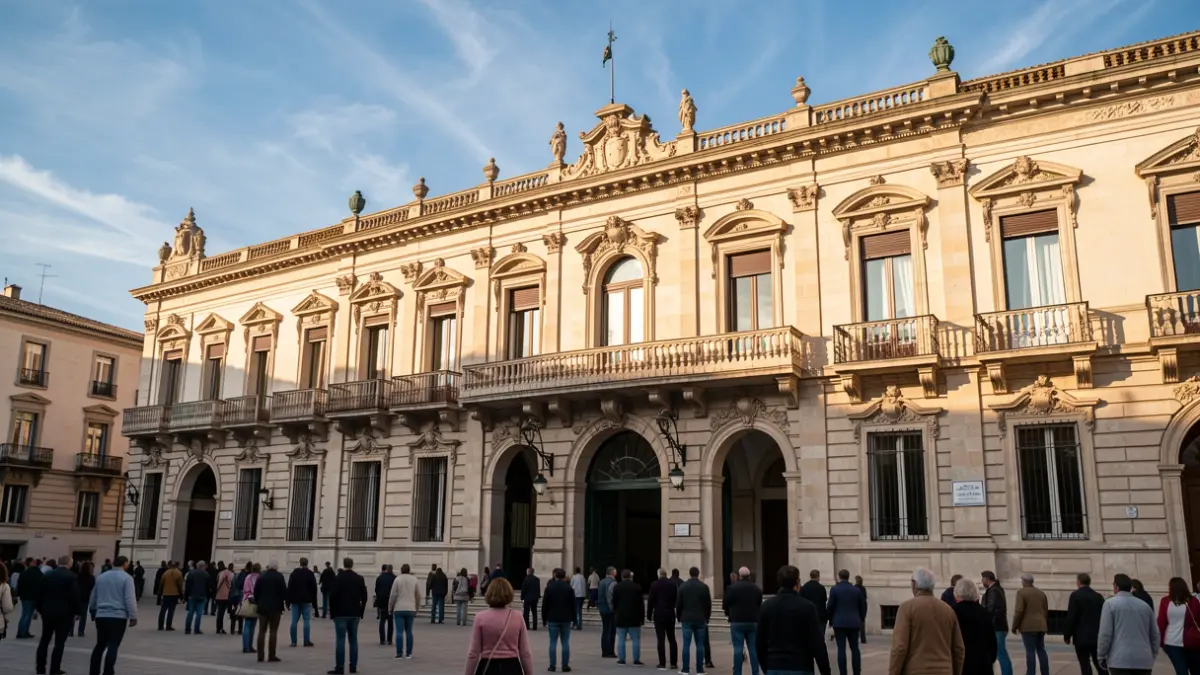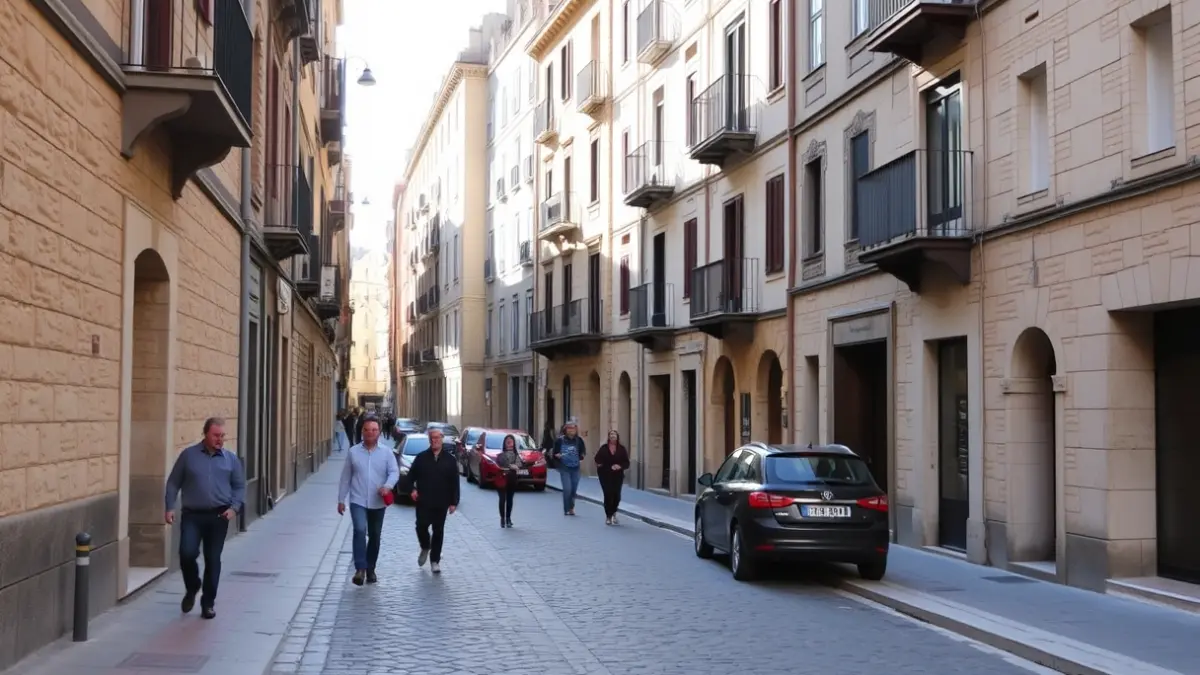
The transformation of Requena's historic center, known as the Villa, involves a significant reduction in the presence of vehicles. The Sustainable Urban Mobility Plan (PMUS), drafted by the city council, focuses on limiting car entry and facilitating pedestrian access through the incorporation of vertical mobility elements.
This measure is one of the main ones in the PMUS, which has passed a new stage with a positive Strategic Environmental and Territorial Report from the Ministry of Environment, Infrastructure and Territory. The Requena City Council submitted this plan to the autonomous body in June 2024, and almost two years later it has obtained approval for the environmental and territorial aspects.
The action is part of a broader strategy to reclaim public space for pedestrians and improve accessibility in the urban core. The pedestrianization of the Villa is proposed as a key measure to reverse the current situation, marked by access difficulties and physical barriers in one of the municipality's most valuable heritage areas.
The plan also includes changes in other streets of Requena, where it is proposed to widen sidewalks, introduce trees and urban furniture, and, in some cases, implement single platforms that prioritize pedestrian traffic. Among the streets included in these actions are Libertad, San Sebastián, San Luis, and Vendimia.
This reorganization of the road network is complemented by the revitalization of squares in both the urban core and its hamlets. Spaces such as Plaza del Salvador, Consistorial, or Albornoz in Requena, as well as enclaves in San Antonio, Campo Arcís, or El Rebollar, are included in a redesign aimed at making them more attractive and functional for citizens.
In parallel, the plan addresses mobility in other areas. It proposes a cycling network connecting the main points of Requena and its hamlets, along with the installation of bicycle parking. For public transport, the implementation of new minibus lines linking the villages with the urban core and stations is being studied, as well as improvements in current frequencies.
Regarding road traffic, measures are proposed to calm circulation, reduce surface parking, and reorganize parking areas. The creation of new parking lots, including underground ones, and the reorganization of urban goods distribution with logistics centers at the city's access points are also included.
The Requena City Council cannot yet directly apply the Sustainable Urban Mobility Plan. It must first complete several administrative and technical steps. Firstly, it must incorporate the modifications and observations made by the various sectoral reports into the document, especially those from the mobility area. Once adjusted, the plan must be sent to the competent mobility body of the Generalitat to obtain its favorable report prior to final approval.
Furthermore, the final document must specify aspects such as monitoring indicators —including environmental ones—, baseline values and objectives to be achieved, as well as control mechanisms for issues such as emissions or noise. It will also have to integrate considerations related to infrastructure, environment, roads, or territorial planning.
With all this completed, the next step will be the final approval of the PMUS. This process must be carried out within the maximum established period of four years, as the favorable environmental report has limited validity. Only after this process can the plan come into force and begin its execution.