
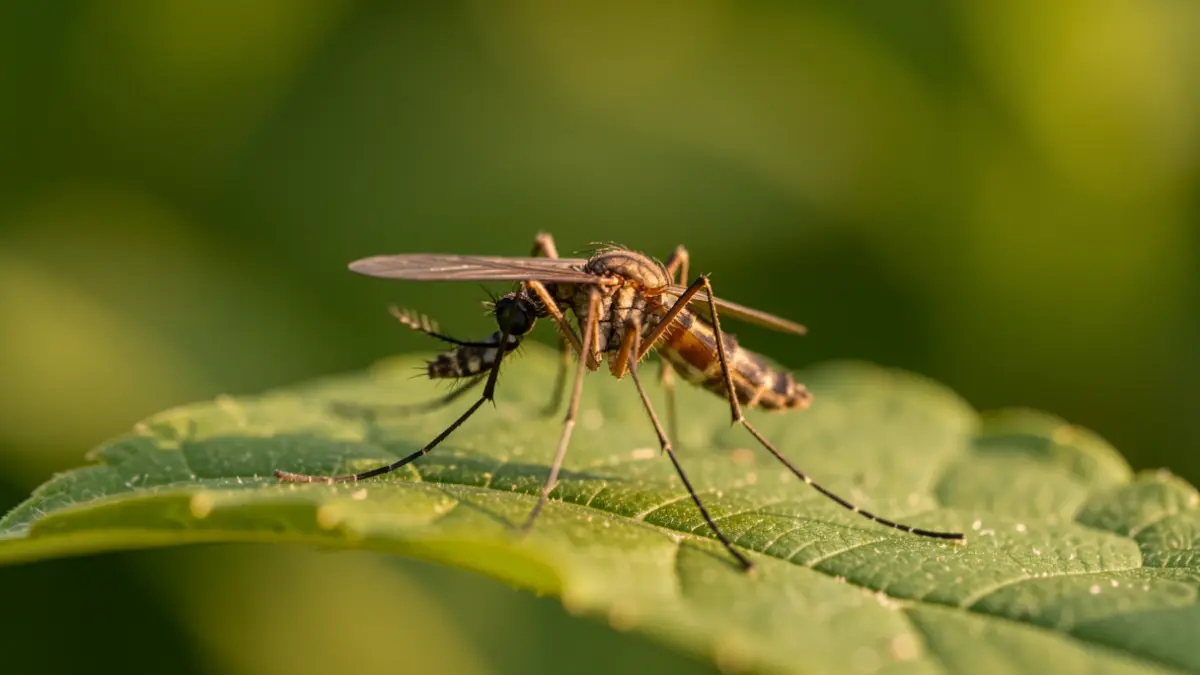
The new entomological surveillance network in the Valencian Community represents a strategic step for early detection of emerging risks and response to vector-borne diseases in a changing epidemiological context. This initiative expands the Public Health Relevant Vectors Program, established since 2015 for the surveillance of the tiger mosquito (Aedes albopictus), in the face of factors such as climate change and globalization.
The active and passive monitoring system assesses vector presence, estimates population density, and detects pathogen circulation early. During 2025, 40,201 specimens were captured across 41 mosquito sampling points, 112 ovitraps, 6 traps for black flies, and 21 for sandflies, along with 60 tick sampling efforts. Collected material is analyzed using morphological and molecular techniques, and information is georeferenced in a database.
Presence of mosquitoes from the genera Aedes and Culex has been detected in all sampled municipalities, with the tiger mosquito and common mosquito being the most abundant. The tiger mosquito shows marked seasonal behavior, with population peaks in August and November, especially in the province of Castellón (Benicàssim, Almenara, Castelló de la Plana). The common mosquito is more stable, predominantly in the province of Alicante (Sant Vicent del Raspeig).
Sandflies, with Phlebotomus perniciosus as the most widespread species, are most active between June and September, with high values recorded in the province of Valencia (Benissanó, Teresa de Cofrentes). Ticks show greater abundance in the province of Castellón (Cabanes, Ares del Maestrat), with Hyalomma lusitanicum being the most abundant species.
Usutu virus has been detected in common mosquitoes in Cabanes and Elche, and West Nile virus in Culex spp in Castelló de la Plana and Burriana. No invasive species such as Aedes aegypti were found. Following each early detection, regional protocols are activated, and the Center for Coordination of Health Alerts and Emergencies is informed.
The Ministry of Health will allocate 350,000 euros in the 2026 budget to support municipal surveillance and control actions for vectors, particularly in the most affected municipalities. These grants will fund treatments and actions, benefiting 378 municipalities in 2025.