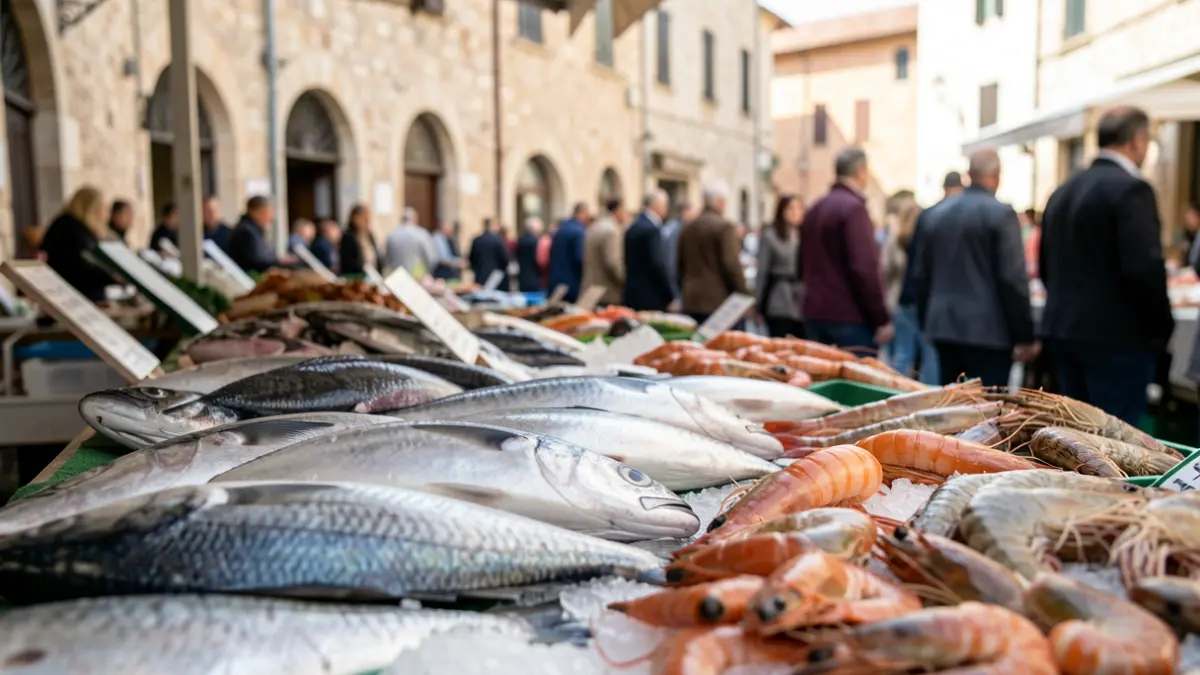
The Mediterranean diet is losing one of its fundamental ingredients: fish. Over the last twenty years, per capita consumption in the Valencian Community has drastically reduced, falling from approximately forty kilograms annually in the year 2000 to just eighteen currently. This decline is attributed to a combination of factors, including sustained price increases, changes in consumption habits, and a generational shift away from traditional products.
The rising cost of fish and seafood is one of the primary drivers of this trend. According to INE data, the prices of these products have increased by 48.2% in the last decade. Professionals in the fishing sector point out that the reduction in catches and the decreased presence of fishing boats at sea have also contributed to the price surge. "Twenty years ago, there was more fish, and now you have to pay more for it," explain some fishmongers, while consumers acknowledge that "everything has gone up a lot," although they also note that other foods like meat or vegetables have seen similar price hikes.
Generational change plays a crucial role in this transformation. In municipal markets, it is observed that the main clientele consists of older individuals, while many young people have stopped cooking fish at home. The perception is that preparing fish is more time-consuming and effortful, leading many consumers to seek more convenient alternatives, such as boneless or easy-to-cook products. Furthermore, locally sourced fish is becoming increasingly inaccessible for many families, who opt for more economical options available in supermarkets.
Paradoxically, out-of-home fish consumption has increased by 8%. The sector indicates that the convenience of eating in restaurants, where fish is often already prepared, has gained ground over home cooking. Meanwhile, traditional fishmongers continue to disappear, with approximately 5,000 having closed in Spain over the last twenty years, reflecting a profound transformation in the market and dietary habits.