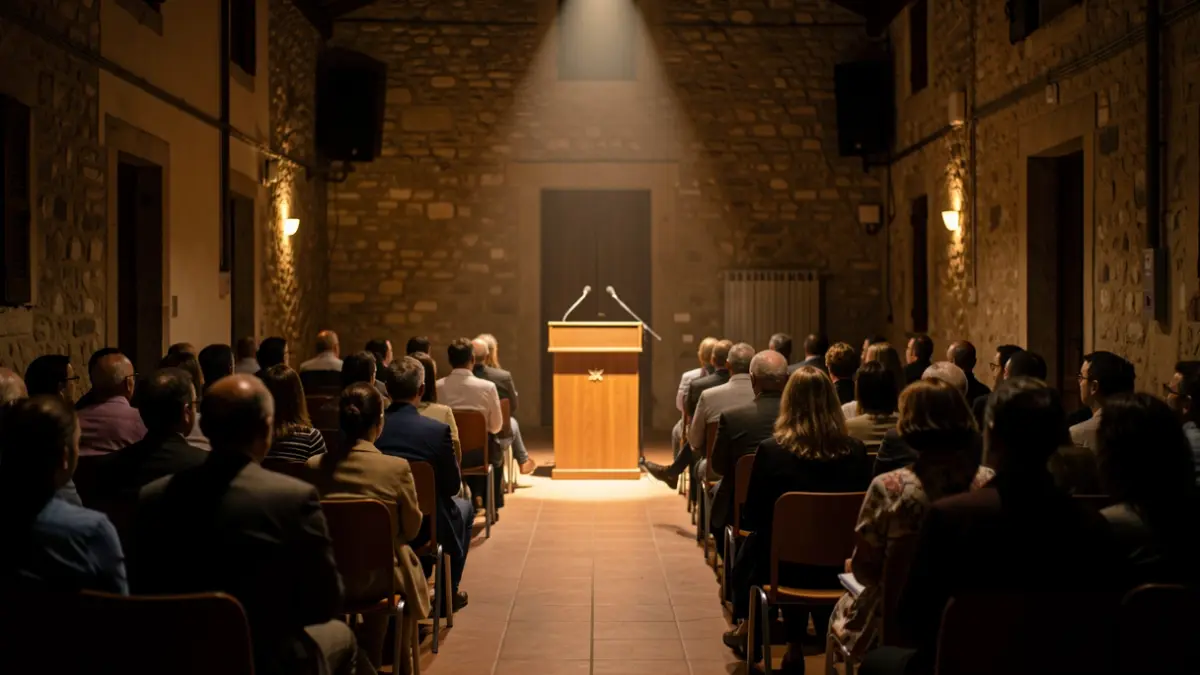
The informational sessions, aimed at migrants eligible for the regularization process approved by the Spanish Government, will take place at the City Hall's Assembly Hall. Staff from the Social Welfare department will provide all necessary information regarding required documentation and procedures.
The talks will be held from Tuesday 21 to Friday 24 in the morning, from 09:00 to 11:00 hours. Additionally, on Tuesday 21 and Thursday 23, there will be afternoon sessions at the José Llorca Linares social center, from 17:00 to 19:00 hours. Further sessions will be announced next week.
“"As a City Council, we will assist citizens and provide them with all information and procedures, even though we have been used in this process by those who have the resources and responsibility."
In parallel, the local government team will present a motion in the next plenary session to express its rejection of the Spanish Government's migration policy. The motion criticizes the executive's management for not making optimal use of state-owned reception resources and places in the city, thereby shifting welfare pressure to the City Council and social entities.
The agreement to be voted on in plenary includes urging the Spanish Government to withdraw the Royal Decree on mass regularization, citing a lack of necessary control mechanisms, violation of European principles on migration, and contravention of objectives set in the European Pact on Migration and Asylum.
Finally, the motion demands that any regularization process be individualized, accompanied by a detailed economic report, a transparent procedure, and clear criteria. It also calls for sufficient funding for municipalities to address the impact on both processing procedures and the subsequent development of social and labor inclusion pathways.