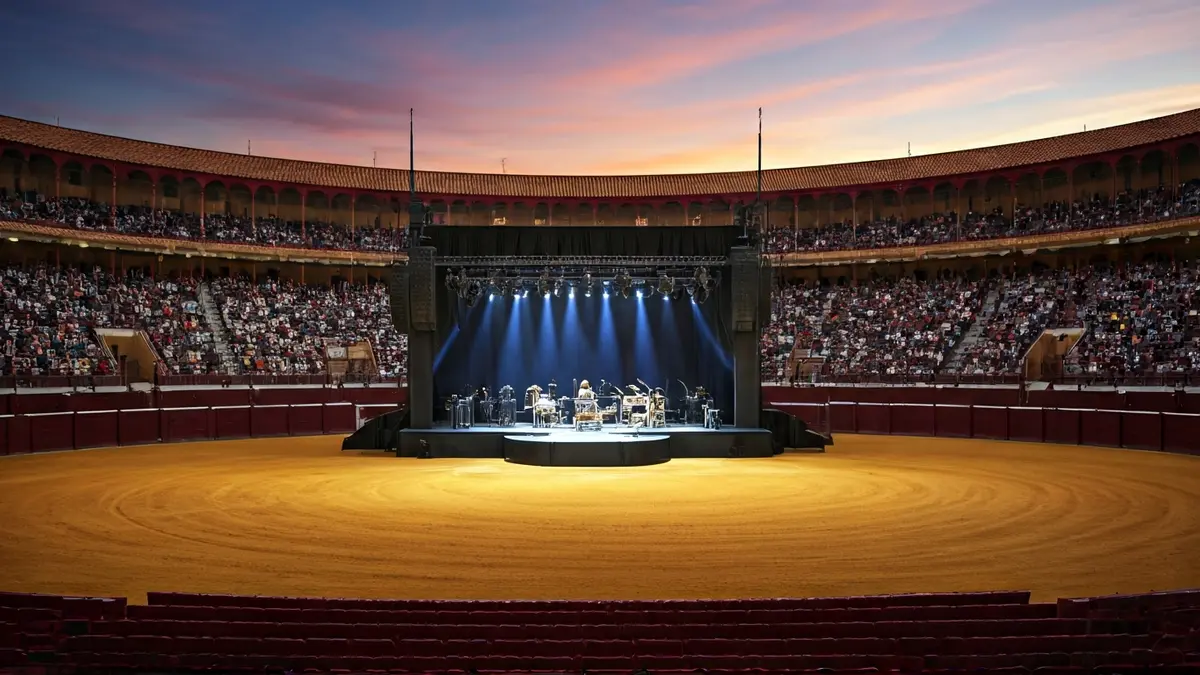
The transformation of the bullring into the Open Arena Benidorm, a multifunctional space for culture, youth, and inclusion, is supported by a European subsidy of 6,421,000 euros from the EDIL Funds. The total investment for the project is estimated at 15 million euros, with the remainder to be covered by the City Council using municipal resources, as explained by Lourdes Caselles, spokesperson for the local government and Urban Planning Councilor.
Caselles detailed that the approved file includes both the project drafting and the subsequent execution of the work. She clarified that the intervention does not involve the demolition of the bullring, but its rehabilitation, with structural reinforcement and correction of potential hidden defects. This joint contracting model aims to concentrate responsibility on a single contractor to avoid delays and conflicts.
The Open Arena Benidorm is divided into three main axes: Arena Live, a multifunctional cultural space to de-seasonalize tourism; Arena Joven, a versatile youth center to foster local talent; and Arena Encuentro, which will improve connectivity between the Els Tolls neighborhood and the urban center by eliminating urban barriers.
The plenary session also approved the new contract for the regulated surface parking service (ORA). This step follows the suspension of the previous contract in June 2024 and the rejection of an appeal by the TSJCV in February 2026. The Mobility Councilor, Francis Muñoz, stated that the new contract aims to better regulate traffic and the use of public space, not to increase revenue.
The new ORA contract will include control and surveillance of parking, collection, crane service, fee and sanction collection, and control of restricted access zones. New features include green and orange zones, already outlined in the October 2024 ordinance. The green zone will allow non-residents to park with payment and residents for free for up to 48 hours. In the orange zone, residents can park for up to 10 days without charge, while non-residents will be prohibited from parking.
Muñoz emphasized that this model is adapted to a tourist city to ensure parking space rotation and prevent saturation. Revenues exceeding 10 million euros are expected over two years, with a service cost of 9.9 million, projecting a positive balance.