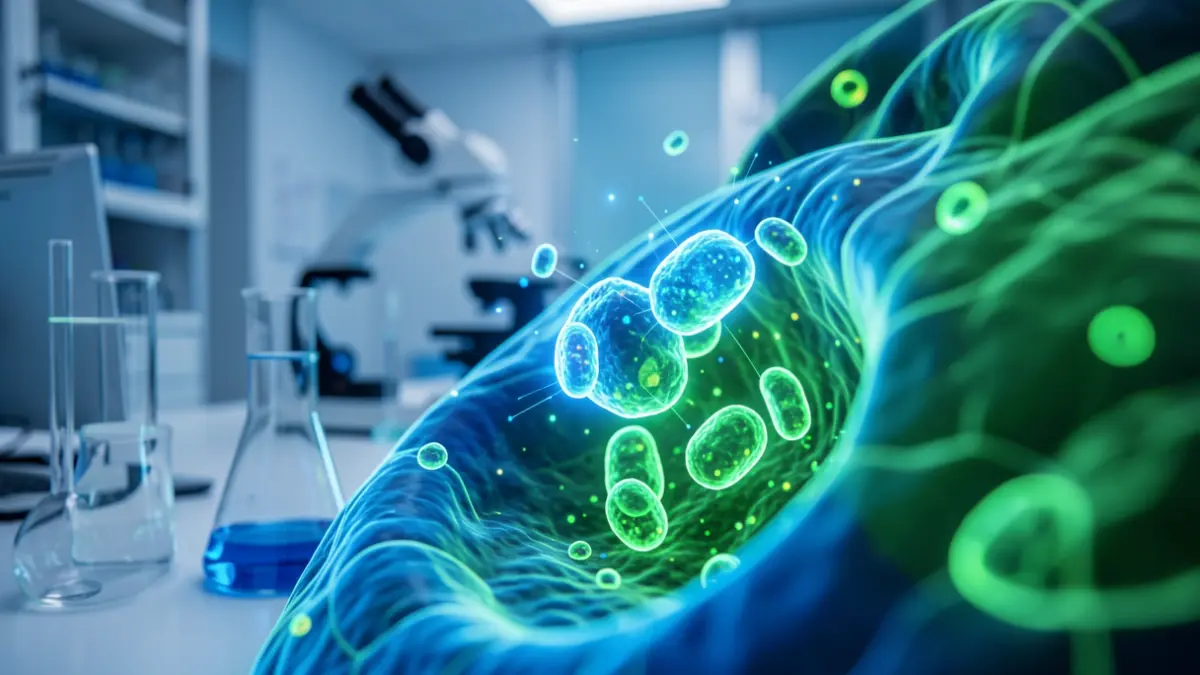
Since the opening in 2017 of the Veolia Hubgrade digitalization center, the company has deployed projects in the city ranging from mass meter remote reading to epidemiological surveillance in wastewater. It also includes the use of satellite environmental indicators and open innovation programs with startups.
This digital ecosystem has enabled more efficient, transparent, and resilient management of water resources. This has improved the service provided to citizens and operational decision-making.
The digitalization of the integral water cycle represents a paradigm shift in how an essential resource is managed. Traditionally, the operation of supply and sanitation networks relied on manual inspections, on-site readings, and reactive responses to incidents. Now, the incorporation of sensors, real-time data platforms, artificial intelligence, and connectivity allows for anticipating problems, optimizing resources, and reducing environmental impact.
“"Digitalization is not just a technological issue, but a strategic lever to guarantee the sustainability of the water cycle. It allows us to move from reactive to predictive management, anticipating challenges and making decisions based on reliable and updated data."
This approach gains special relevance in contexts of water stress, climate change, and urban growth, where efficiency and resilience are fundamental. Digitalization also opens the door to new collaboration models with the innovation ecosystem, integrating solutions developed by startups and research centers.
In 2017, Veolia inaugurated the first Hubgrade digitalization center in Spain in the city, a space dedicated to the development, testing, and deployment of digital solutions for water management. Since then, the city has been the scene of multiple projects that have improved both technical operation and responsiveness to exceptional situations.
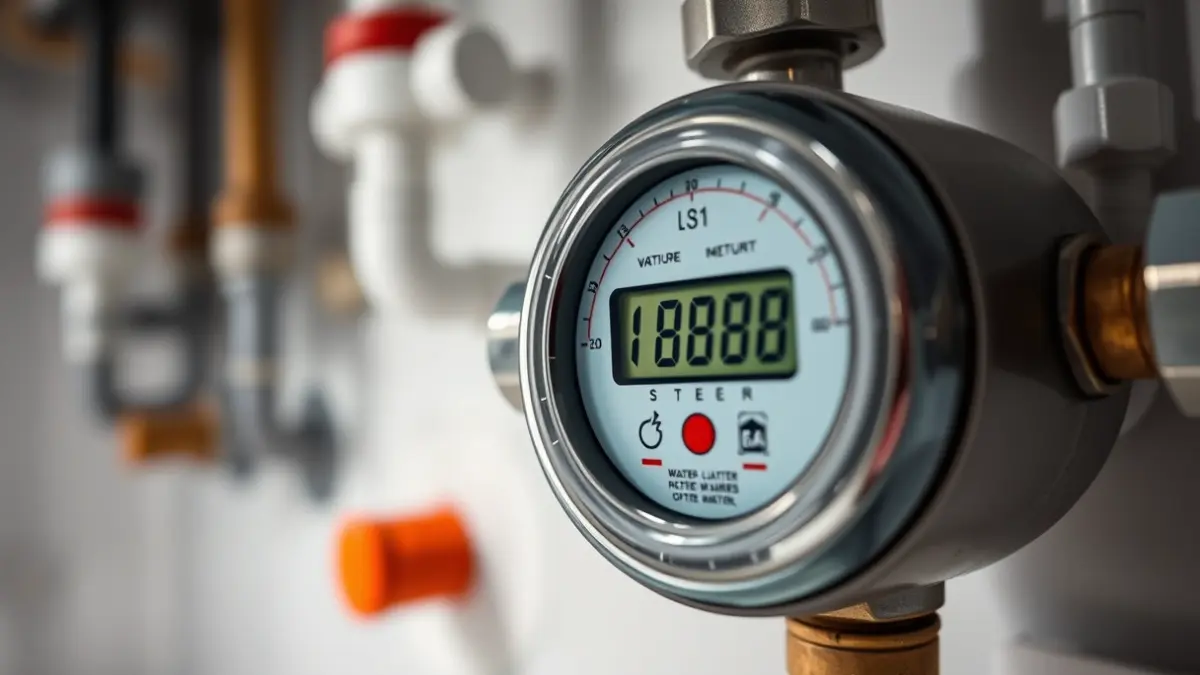
One of the pillars of this transformation has been the implementation of remote reading, which allows for remote and automatic reading of water meters. This technology eliminates the need for physical access to homes, reduces reading errors, facilitates the detection of anomalous consumption, and improves user experience by offering detailed and transparent information about their consumption.
“"In Benidorm, we have been able to demonstrate that water digitalization is not a future promise, but a reality that is already generating value. From remote reading to sewage surveillance, each project has contributed to making management more efficient, more sustainable, and better prepared to face the challenges of the present and the future."
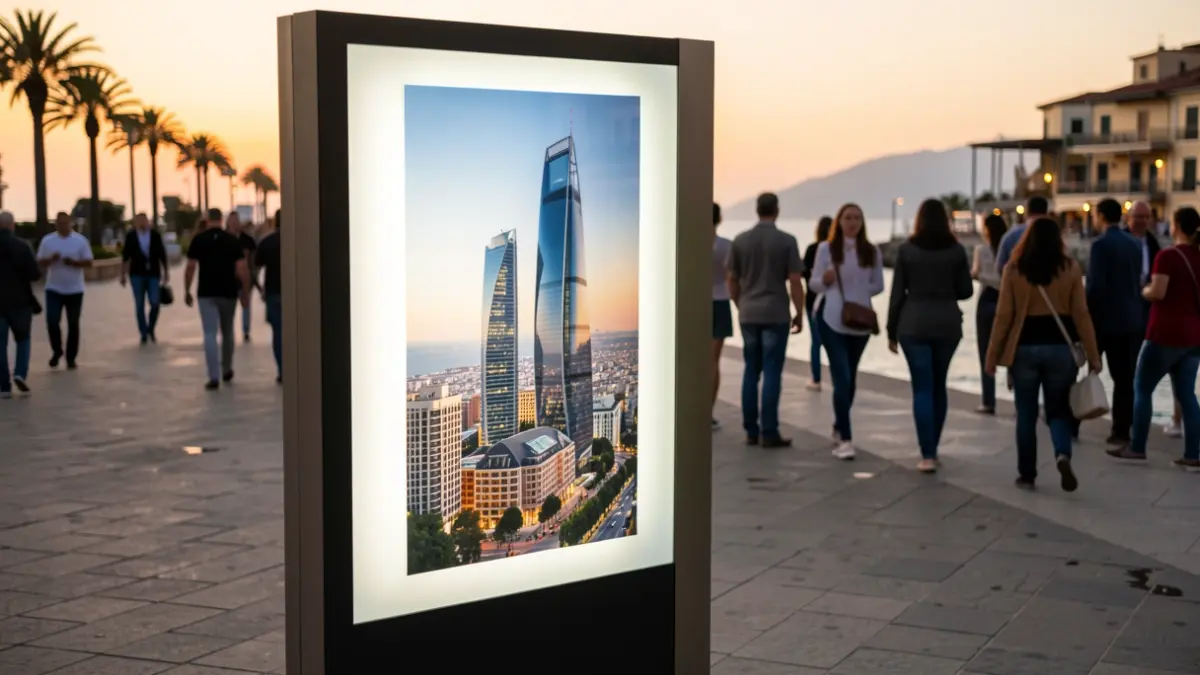
The set of these projects has allowed Benidorm to advance towards a smart city model in water matters, where technology is put at the service of sustainability, public health, and the quality of life of its citizens.