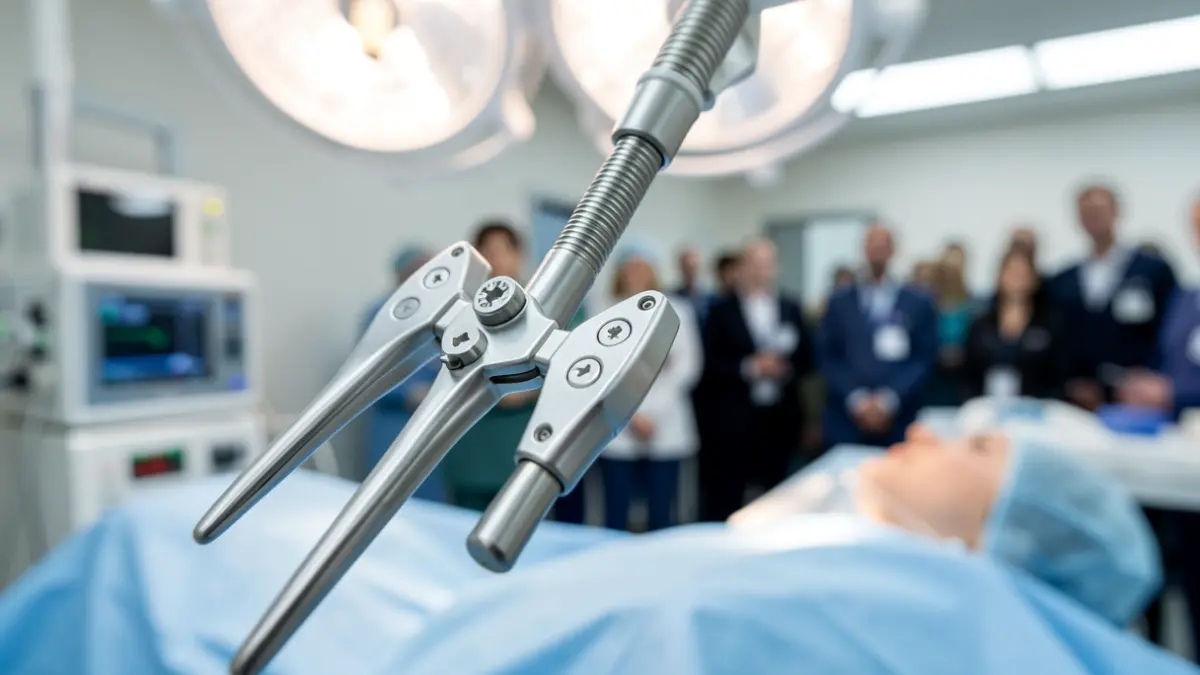
This advanced technique allows for continuous monitoring of the nervous system's activity during surgery, preserving essential neurological functions such as movement, sensation, or language. The procedure was performed by neurosurgeons Anward Saab and Alejandro Zurita, with the collaboration of a multidisciplinary team.
The integration of this technology represents a significant advancement for the hospital's service portfolio, offering greater guarantees of safety and precision in highly complex neurosurgical procedures. Intraoperative neurophysiological monitoring uses electrodes and recording systems to detect potential functional alterations and alert the surgical team to any changes.
The application of this technique is particularly relevant when tumors are located in critical brain areas. The goal is to achieve the maximum possible tumor removal without compromising the patient's neurological capabilities. Neurophysiologists Sara Cors and Alba Sánchez played a crucial role in interpreting the recordings and communicating any variations in real-time.
The balance between surgical resection and functional preservation is one of the main objectives of Oncological Neurosurgery. Furthermore, the use of these techniques improves postoperative recovery and promotes a faster return of the patient to their daily life.
“"The incorporation of techniques like intraoperative neurophysiological monitoring reaffirms our commitment to care excellence, innovation, and patient safety, as they not only improve clinical outcomes but also pave the way towards more personalized and precise medicine, representing a true healthcare milestone for everyone."
This qualitative leap in the department's neurosurgical practice aligns it with the standards of reference hospitals. The advancement has a direct impact on the population of La Marina Alta, who can now access these high-complexity procedures without needing to travel to other hospitals.