
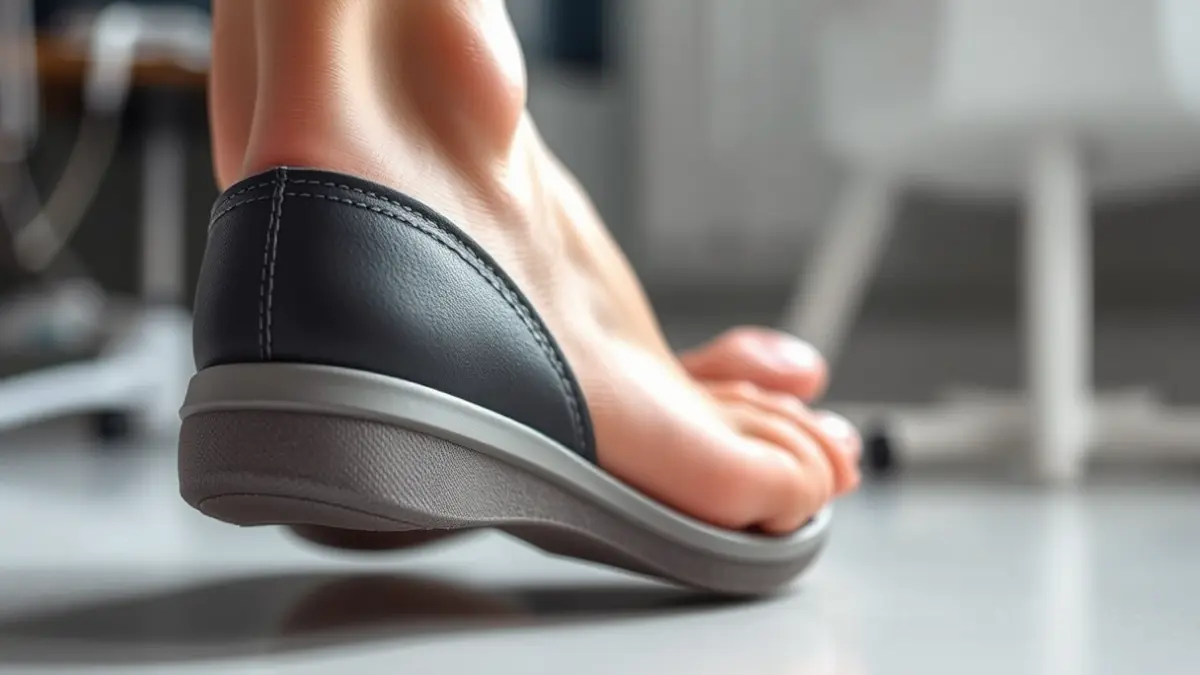
This condition, affecting the forefoot, especially between the third and fourth toes, manifests with a sensation of sharp pain or burning, often accompanied by tingling or numbness. According to specialists, Morton's neuroma is a thickening of the tissue surrounding one of the plantar nerves, caused by repeated irritation or compression.
Constant pressure on the nerve causes inflammation and an increase in its size, intensifying symptoms. Among the most common causes is the use of inappropriate footwear, such as narrow or high-heeled shoes that compress the toes. Anatomical factors, such as flat feet, a high arch, or deformities like bunions, can also play a role.
Symptoms usually appear progressively. Initially, pain may be occasional and related to wearing certain footwear or engaging in physical activity. Over time, the discomfort can become constant and intense, making it difficult to walk or stand for prolonged periods.
Diagnosis is based on the patient's description of symptoms and a physical examination. Tests such as ultrasound or magnetic resonance imaging can confirm the diagnosis. In most cases, initial treatment consists of conservative measures.
“"One of the most important measures is changing footwear, prioritizing wide, comfortable shoes with good cushioning. The use of orthopedic insoles can also be very useful, as they help redistribute pressure on the foot and reduce the load on the affected nerve."
Additionally, it is recommended to avoid activities that aggravate symptoms, and in some cases, anti-inflammatory medications can be used to relieve pain. Other options include corticosteroid injections to reduce inflammation. Surgery is considered only in the most persistent or advanced cases, with the aim of releasing the nerve or removing the affected part, serving as a last resort.
Morton's neuroma is not a severe condition, but it can significantly affect quality of life. Early detection and the adoption of appropriate measures are fundamental to alleviate symptoms and prevent their progression, improving patients' daily lives. Proper footwear and attention to the body's signals are key aspects for maintaining foot health.