The exhibitions, directed by photojournalist Eva Máñez, offer a necessary gender perspective on the recent history of the Valencian Country. The exhibition Les Roses de Paterna gives face and voice to the twenty women executed by Francoism in the Paterna cemetery between 1939 and 1957, known as the «paredón de España».
This poignant narrative recovers the trajectories of dressmakers, teachers, nurses, and trade unionists who were executed, dignifying their lives through unpublished photographs and documents, objects recovered during the exhumations of mass graves, and informative panels detailing the silence and stigmatization their families suffered for decades.
On the other hand, Les Guardianes de la Memòria focuses on the female descendants —daughters, granddaughters, and great-granddaughters— who have led the fight to recover the remains of their relatives since 2016. This proposal includes fifteen documentary photographs of archaeological work and the installation Les dones, hereves de la memòria, with 60 portraits and testimonies that unite past and present in the search for reparation.
“"These exhibitions challenge us to rethink the role of women both as victims and as fighters in the recovery of memory."
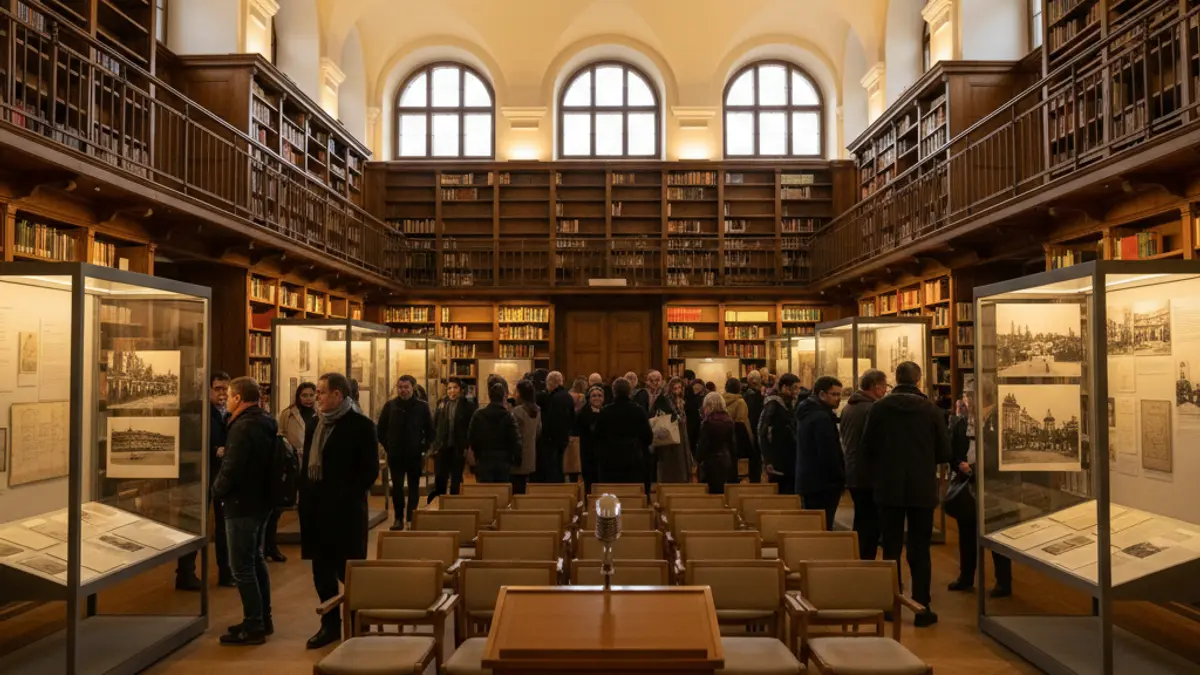
After its passage through Paterna last April, this double proposal of democratic memory arrives in the capital of La Costera. The exhibitions can be visited at the Casa de Cultura de Xàtiva until next June 30.