This project, crucial for transforming mobility in the metropolitan area of València, has been published in the Official Gazette of the Generalitat Valenciana (DOGV). This administrative step opens the door to the tender and award of the works, which have an estimated execution period of 18 months.
A 30-day period is now open for submitting allegations, which includes the informative study, the environmental impact study, and the landscape integration study. This is the first complete public exhibition of the project, which follows up on the proposal presented last February.
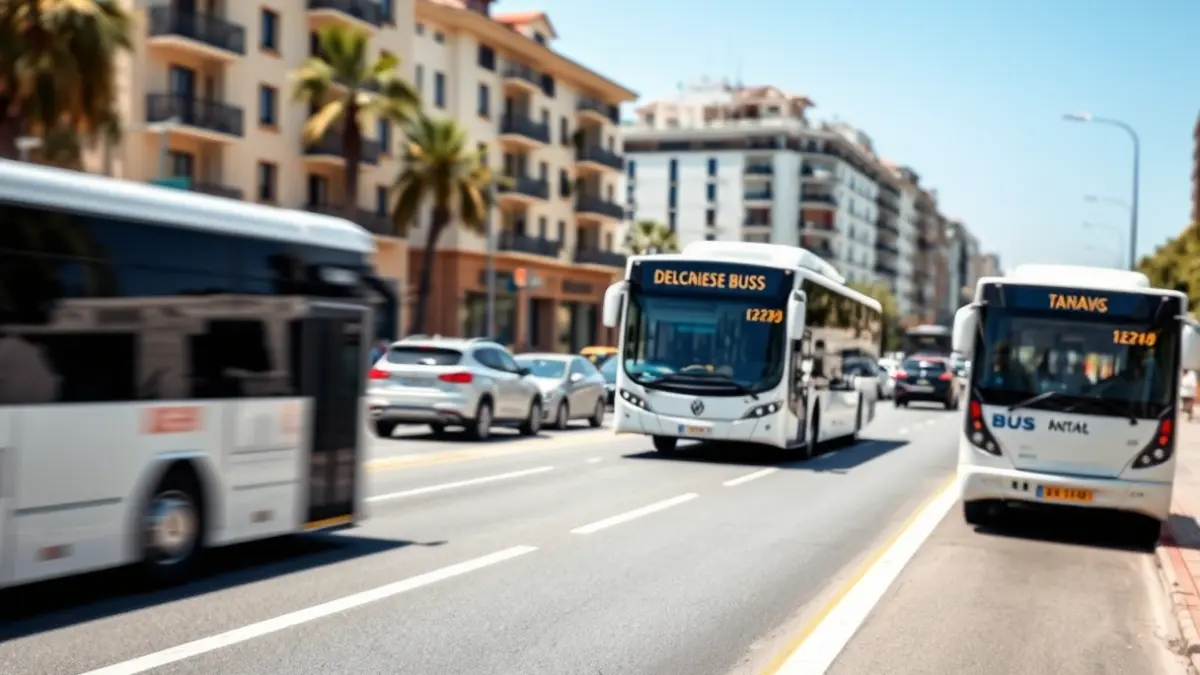
The intervention focuses on one of the most problematic points in the metropolitan area: the western access to the city. Currently, journeys between these municipalities and València become long and uncompetitive daily, as buses share space with general traffic and get caught in the same traffic jams, especially at the entrance via the A-3 and Avenida del Cid.
In this regard, the Generalitat's proposal involves creating a reserved platform of 8.7 kilometers, with exclusive lanes for public transport. The objective is for buses to have their own route, without interference, allowing them to gain speed and regularity in service.
The central element of the entire action is the construction of a new bridge over the Turia riverbed and the V-30. This infrastructure, 13 meters wide, will overcome the main physical obstacle between Xirivella and València without resorting to current routes, which concentrate a large part of traffic congestion.
This new passage will run parallel to the Cercanías C3 commuter line and facilitate direct entry into the city. Once this point is passed, the platform will continue along Avenida de Tres Forques and Tres Cruces until connecting with Avenida del Cid, improving access to high-demand areas and facilities such as the General Hospital.
The improvement in travel times is one of the main arguments of the project. According to estimates, the journey between Xirivella and València could be reduced to about five minutes. The key lies in the total segregation of traffic, which will avoid traffic jams and waiting times at traffic lights.
The infrastructure is designed to channel the passage of about 700 buses daily on weekdays. In addition, the possibility of incorporating higher capacity vehicles in the future, such as BRT-type electric buses, is contemplated, which would allow expanding the offer without modifying the route.
The action will provide direct service to Xirivella, Aldaia, and Alaquàs, three municipalities totaling nearly 97,000 inhabitants. After the public information period, the project will continue its processing with the environmental evaluation. Once this procedure is completed, the Ministry will be able to proceed with the tender and subsequent execution of the works.