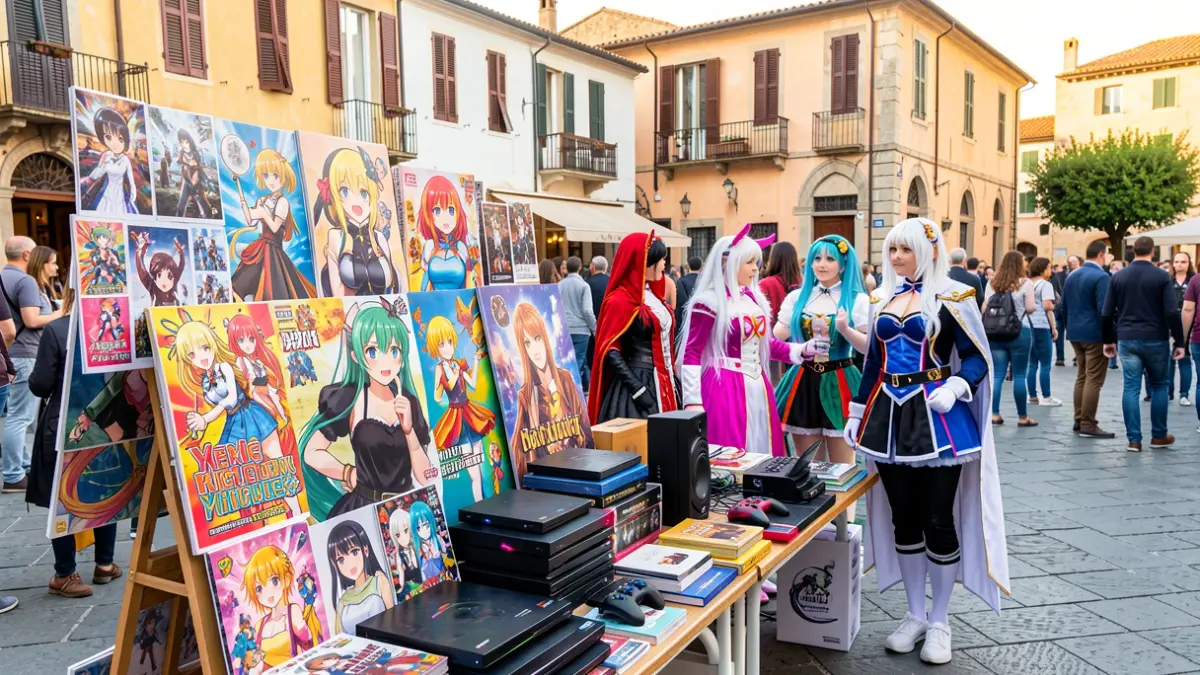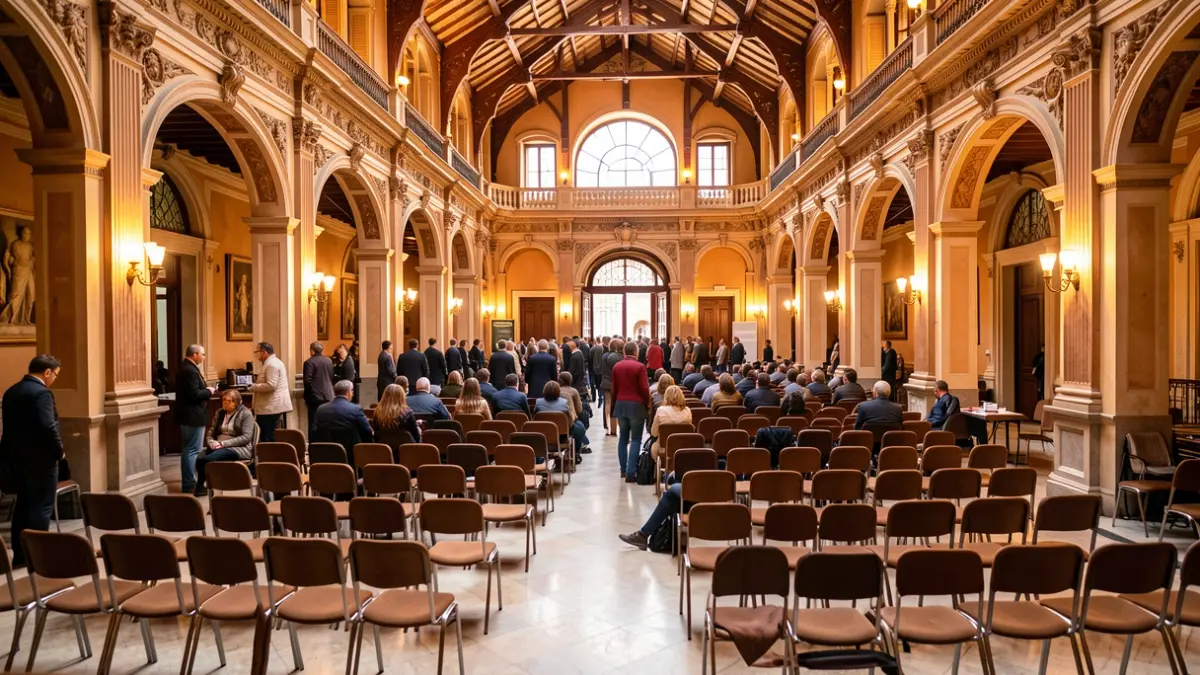
The exhibition, which can be visited until Wednesday, April 29, 2026, in the castle gallery, offers a journey through his creative imagination through comics, graphic design, and game culture. The exhibition highlights one of the most important figures of the renowned Valencian Comic School.
Visiting hours are Monday to Saturday, from 10:00 to 14:00 and from 17:00 to 21:00. This initiative is conceived as a visual and interactive experience that moves away from the traditional chronological format to immerse visitors in Karpa's universe.
The iconic heritage site of Alaquàs thus becomes the setting for a proposal that combines memory, illustration, and participation. It has the support of the Valencian Institute of Culture (IVC), Artèria Gestió Cultural, the Alaquàs City Council, and the Polytechnic University of Valencia.
Visitors delve into Karpa's creative universe through three main axes, integrated into different exhibition elements, which articulate the exhibition into a visual and immersive experience. Among them, fifteen large-format canvases stand out, dedicated to his most representative characters and designs, as well as reproductions from his time at Editorial Valenciana, which allow a closer look at one of his most recognizable facets within children's comics.
The exhibition also incorporates spaces for institutional recognition of his career, contextualizing his role in the history of Valencian comics and graphic design. It also includes a large interactive puzzle based on his iconography, inviting the public to play, reassemble, and reinterpret his visual imagination.
The tour also includes a collage-style space with reproductions and graphic panels from the tribute exhibition held in 2007 at the Universitat Jaume I de Castelló. This space dialogues with the current proposal and establishes a bridge between that first institutional recognition and the centenary now being commemorated.
Each of the exhibition elements also features QR codes that provide access to complementary information, enhancing the visitor's experience with explanatory texts about the pieces and Karpa's creative context. The proposal is not limited to showcasing his work but offers a participatory experience that seeks to bring Karpa's legacy closer through direct interaction with his forms, characters, and designs, thus strengthening his connection with collective memory and game culture.
Rafael Miguel Català Lucas, born in Nules in 1926, trained at the Royal Academy of Fine Arts of San Carlos and became one of the central figures of the Valencian Comic School. In 1992, he received the Gold Medal for Cultural Merit from the Generalitat Valenciana in recognition of his contribution to the graphic sector. He passed away in Valencia in 2000, always maintaining his connection with his hometown, an origin he considered fundamental to his creative identity.
Throughout his career, Karpa developed an extensive production that ranged from children's comic characters to designs for toys, board games, and graphic communication campaigns. His work on projects such as the iconic Juegos Reunidos Geyper made him a key figure in the relationship between illustration and popular culture in Spain during the post-war period and subsequent decades.
His style, characterized by a clear, narrative, and accessible line, defined much of the children's comics of the time, with a direct visual language and gentle humor that connected with several generations of readers. In parallel, his work in graphic design and advertising consolidated a multifaceted career in which his interest in painting also stood out, especially in the treatment of light and portraiture.
'100 years of Karpa' is thus presented as an opportunity to revisit a body of work that is part of the collective visual memory of several generations, from comics to design applied to popular culture, in a proposal that combines dissemination, interaction, and tribute.