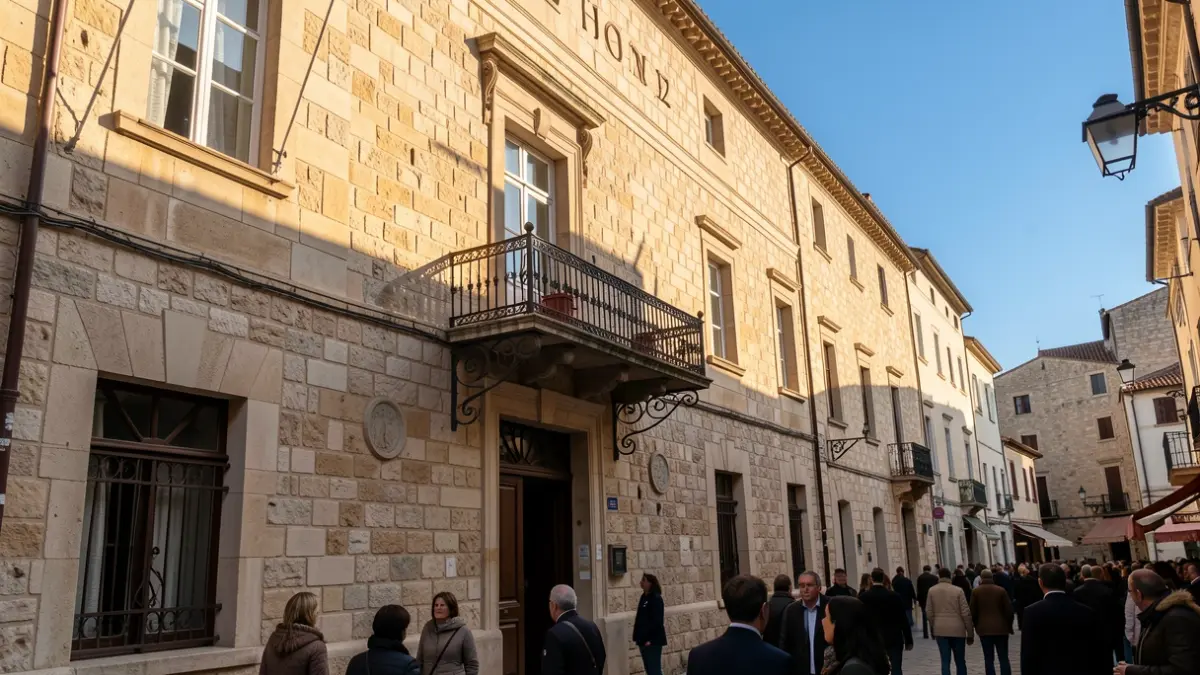
Since 2015, the local government of La Pobla de Farnals has led the transformation of the municipality, moving from a 20th-century administration to a more modern one. During this period, the population has grown significantly, exceeding 10,000 inhabitants on the census, representing an increase of almost 20% in a decade.
This demographic growth has created the need to adapt and increase public services. Managing this population boom requires a responsible fiscal policy to ensure that services reach all residents without overburdening them. Equal opportunities are based on the availability of these services, and therefore, education and communication with citizens are fundamental.
Regarding the housing crisis, the local government is seeking solutions through various avenues. Direct aid for vulnerable and at-risk families has been explored, as well as the construction of social housing. The possibility of creating a housing cooperative with public land and citizen participation has also been considered, although lack of space and subsidy limitations have hindered its implementation.
Another key project is the creation of an energy community. This initiative will allow residents of La Pobla de Farnals, including the beach area, to benefit from local energy generation. Significant savings on electricity bills are expected, especially in generation costs, which account for 40% of the total. Active participation from residents is crucial for the success of this project.
As for the parking problem, which has become a structural issue, the local government collaborates with landowners to enable spaces. Furthermore, investments have been made in public transport and sustainable mobility, with a bus service operating seven days a week throughout the year and the creation of a cycle-pedestrian lane. A study will be initiated to optimize available space and rationalize parking.
Among the future projects for this legislature are the start of the auditorium's construction, preparation for a senior citizens' residence, expansion of infrastructure in the beach and town areas, and the construction of an outdoor swimming pool. Before the next elections, the beach's nursery school is expected to be completed, a basketball court covered, and sections of roads and streets paved.